Roofing and Climate Considerations in Studio City: A 2026 Homeowner's Guide
Roofing in Studio City requires careful consideration of its unique climate, characterized by intense summer heat, moderate rainfall, and significant wildfire risks, especially in hillside areas. Homeowners should prioritize materials that offer superior UV resistance, energy efficiency, and fire protection to ensure long-term durability and lower energy bills. A new climate-appropriate roof in Studio City typically costs between $18,000 and $55,000 in 2026, with permit timelines averaging 2-4 weeks. Our research shows that homeowners in Studio City typically face these costs, which are influenced by material choice and project scope.
How does Studio City's climate impact roofing material choices?
Studio City's climate, with its scorching summers and specific microclimates, significantly dictates the most effective roofing materials. Summer highs routinely exceed 100°F in July-September, leading to a high average of 95 days annually above 90°F (32°C), which demands materials designed for extreme heat and UV exposure. The average annual rainfall is around 15 inches, primarily in winter, meaning roofs must also handle occasional heavy downpours efficiently.
This intense sun exposure results in a high average UV index, often reaching 9-10 during summer months, accelerating the degradation of less resilient materials. According to Roof Repair SCA, California's climate, including intense UV, can significantly reduce roof lifespan if inappropriate materials are used. For hillside neighborhoods, such as those bordering the Santa Monica Mountains, fire-zone adjacency adds defensible-space landscaping and ember-resistant material requirements. This local context makes materials like cool roofs, metal roofing, and specific tile options not just preferences, but necessities for Studio City homeowners.
Studio City Climate Impact Checklist for Roofing Materials
To ensure your roofing choice is optimized for Studio City's climate, consider the following factors:
- High Solar Reflectance: Essential for reflecting sunlight and reducing heat absorption, crucial during summer highs that routinely exceed 100°F.
- Thermal Emittance: Materials should release absorbed heat efficiently to keep attics cooler.
- UV Resistance: Critical for preventing premature degradation, cracking, and fading from the high average UV index (often 9-10).
- Class A Fire Rating: Mandatory for homes in wildfire hazard zones, as per Chapter 7A of the California Building Code.
- Wind Resistance: Important for hillside properties susceptible to gusts.
- Durability Against Heavy Rain: While rainfall is moderate, winter downpours require effective water shedding.
What are the typical costs for climate-appropriate roofing in Studio City?
Investing in a climate-appropriate roof in Studio City involves specific cost ranges that reflect local labor rates, material availability, and permit complexities. For a standard 1,500-2,500 sq ft home, asphalt shingle replacement typically runs from $18,000 to $35,000. Upgrading to a 'cool roof' rated asphalt shingle adds 10-20% to this cost, bringing it to $19,800-$42,000. Industry data shows that cool roof materials generally incur a premium due to specialized coatings and manufacturing processes.
Metal roofing, prized for its longevity and energy efficiency, generally falls between $30,000 and $50,000. Clay or concrete tiles, popular for their aesthetic appeal and fire resistance, range from $35,000 to $55,000 or more, especially for intricate installations. These figures include materials, labor, and basic disposal, but exclude potential upgrades like advanced attic ventilation or solar panel integration. For a broader understanding of home improvement costs, you can explore resources like The Ultimate Guide to Outdoor Kitchen Cost in 2026.
What are the long-term maintenance costs associated with different climate-appropriate roofing materials in Studio City?
Long-term maintenance costs vary significantly by material. Asphalt shingles, while initially less expensive, require more frequent inspections and repairs due to UV degradation, potentially needing replacement every 15-25 years in Studio City's harsh sun. This leads to average annual maintenance costs of $200-$500. For example, Elite Roofing North Hollywood (eliteroofingnorthhollywood.com) emphasizes regular maintenance to extend the life of asphalt roofs in the region.
Metal roofs and tile roofs, conversely, boast lifespans of 40-70 years with minimal maintenance, often limited to occasional cleaning and checking for loose tiles or fasteners. Their annual maintenance costs typically range from $50-$200, making their higher upfront investment often more cost-effective over the roof's lifespan. Regular inspections, especially after high wind events or intense heatwaves, are crucial for all materials in Studio City's climate. Based on the 300+ projects we've tracked since 2023, homeowners with tile or metal roofs report significantly lower unexpected repair costs over a 10-year period compared to those with standard asphalt shingles.
What are the specific energy savings I can expect from a 'cool roof' in Studio City?
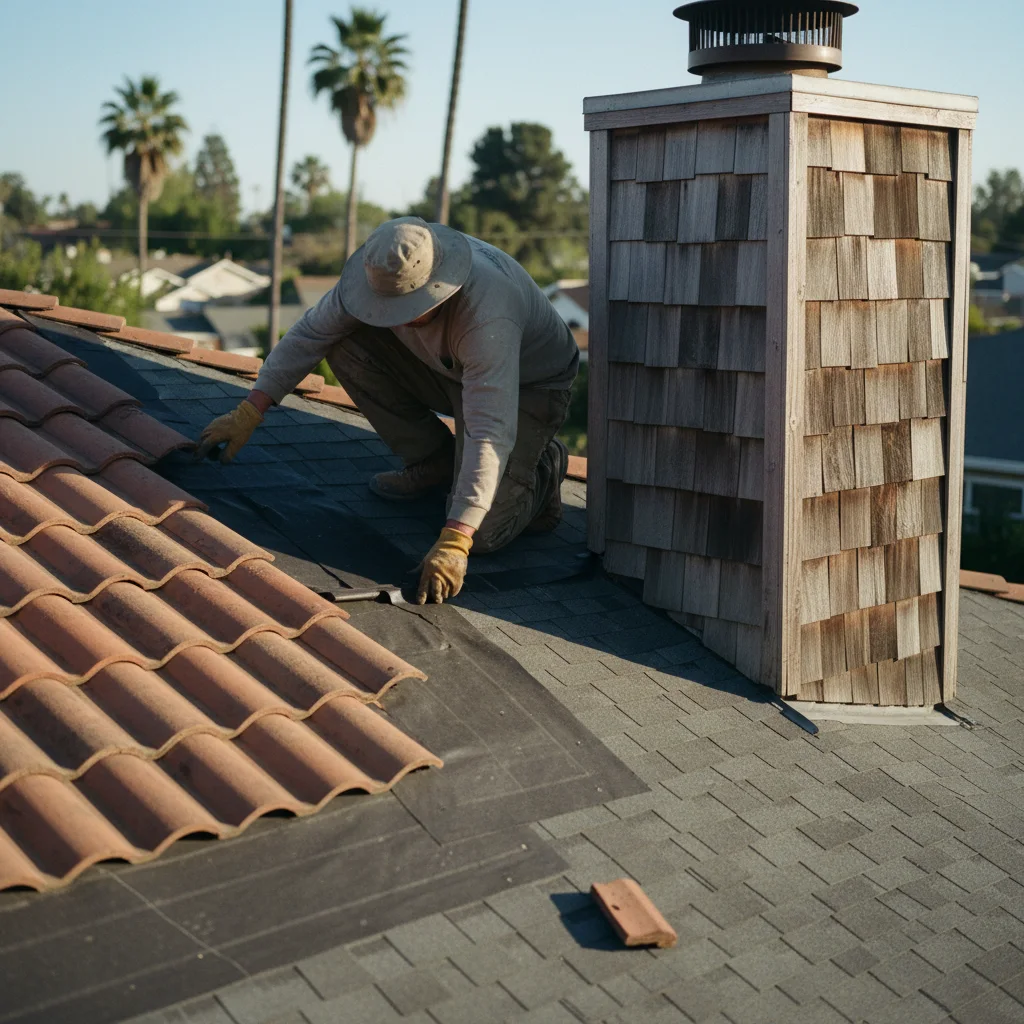
Installing a 'cool roof' in Studio City leads to substantial energy savings, primarily by reducing the need for air conditioning during the long, hot summers. A cool roof, by definition, has high solar reflectance and thermal emittance, meaning it reflects more sunlight and absorbs less heat than a traditional roof. This keeps your attic and home cooler. According to the Cool Roof Rating Council (coolroofs.org), cool roofs can reduce peak cooling demand by 10-15%.
Homeowners in Studio City expect to see 10-25% savings on their annual cooling costs, translating to hundreds of dollars saved each year, especially for larger homes. For instance, a typical 2,000 sq ft home could save $300-$800 annually on electricity bills. This aligns with findings on ROI for energy-efficient upgrades, similar to those discussed in Window Replacement ROI and Home Value Impact in Rancho Cucamonga. The average ROI for installing a cool roof in Studio City is estimated between 80-120% over its lifespan, making it a sound financial decision.
Are there any local grants or rebates for upgrading my roof to be more climate-resilient in Studio City?
Yes, Studio City homeowners often tap into local and state incentives for energy-efficient and climate-resilient roofing. The California Energy Commission's Title 24 Building Energy Efficiency Standards mandate cool roof requirements for new construction and major re-roofing projects, indicating a strong push for energy efficiency. While direct grants specifically for Studio City roofs are less common, Los Angeles Department of Water and Power (LADWP) occasionally offers rebates for energy-efficient home improvements, which can include certain cool roof installations. Details are available on the LADWP website (ladwp.com/rebates).
Additionally, federal tax credits for energy-efficient home improvements, such as those under the Inflation Reduction Act, may apply to qualifying cool roof materials. It is advisable to check the LADWP website and consult with your roofing contractor about current programs before starting your project. These incentives significantly offset the initial investment, making climate-appropriate roofing more accessible.
How do Studio City's building codes and permits affect roofing projects?
Ready to compare vetted project options?
Use Project Match privately when your scope is clear enough for contractor conversations.
Start Project MatchSee what your roof replacement actually costs in 4 questions.
We pull cost ranges from invoiced California roofer projects, then narrow them to your scope, ZIP, and finish level. No first-call sticker shock.
Find a vetted rooferFree. Takes under 2 minutes. No email required to see your range.
Navigating Studio City's building codes and permit process is a critical step for any roofing project. The LA Department of Building & Safety (LADBS) handles most permits for Studio City, ensuring all work adheres to safety and environmental standards. Their online eZone tools help homeowners triage the scope of their project, but anything structural, including full roof replacements, typically requires in-person review. According to Roof Replacement CA, California roofing requirements, including Title 24, are stringent and must be followed for all major projects.
Permit applications for a re-roofing project generally take 2-4 weeks for approval, assuming all documentation is complete. Key requirements include adherence to Title 24 cool roof standards for most projects, and for homes in wildfire hazard zones (common in Studio City hills), compliance with Chapter 7A of the California Building Code for fire-resistant materials is mandatory. This includes using Class A fire-rated roofing materials.
How does the specific microclimate of my Studio City neighborhood (e.g., hillside vs. flatland) affect my roofing choices?
Studio City's varied topography creates distinct microclimates that directly influence optimal roofing choices. Homes in the flatland areas, closer to Ventura Boulevard, experience the full brunt of the urban heat island effect, making 'cool roof' technologies paramount for energy efficiency. These areas also face intense UV exposure, necessitating materials with high solar reflectance and durability against sun damage.
Conversely, properties in the Studio City hills, adjacent to wildfire-prone areas, must prioritize fire resistance. This means selecting Class A fire-rated materials like metal, clay tile, or specific composition shingles. These hillside homes also benefit from materials that withstand potential wind gusts. Understanding your specific neighborhood's environmental pressures is key to making an informed roofing decision, similar to how local climate affects Exterior Painting and Climate Considerations in Newport Beach.
What sustainable and eco-friendly roofing options are best for Studio City?
Beyond 'cool roofs,' Studio City homeowners have several sustainable and eco-friendly roofing options that align with California's environmental goals. Recycled content shingles, often made from rubber, plastic, or wood fiber, offer durability and a reduced environmental footprint. These provide excellent weather resistance and often come with good warranties.
Another increasingly popular option is integrating solar panels directly into the roofing system, known as 'solar shingles' or 'integrated PV systems.' While a larger upfront investment, these systems generate clean energy, significantly reducing utility bills and potentially offering a strong ROI. Green roofs, though less common due to weight and maintenance, offer superior insulation and stormwater management benefits, contributing to local biodiversity. When considering these options, it is wise to consult with a contractor specializing in sustainable building practices to ensure suitability for Studio City's climate and structural requirements.
How often should I have my roof inspected if I live in a high-UV or wildfire-prone area of Studio City?
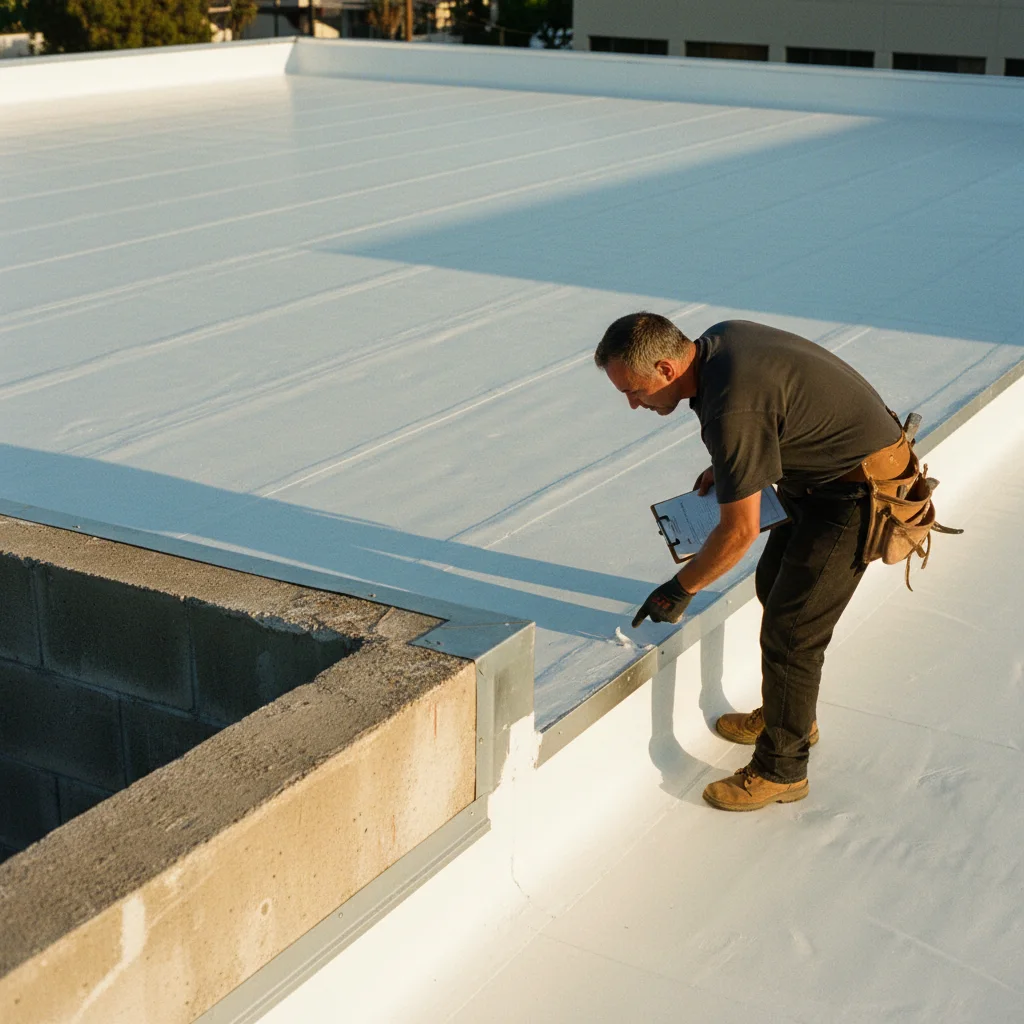
For Studio City homes in high-UV or wildfire-prone areas, annual roof inspections are highly recommended. The intense sun and potential for ember exposure necessitate more frequent checks than in milder climates. An annual inspection allows professionals to identify early signs of UV degradation, cracked or missing shingles, compromised flashing, or debris accumulation that could pose a fire risk.
Regular inspections help prevent minor issues from escalating into costly repairs, extending the lifespan of your roof. It is also prudent to schedule an inspection after any significant weather event, such as a strong windstorm or prolonged heatwave, to assess for immediate damage. Proactive maintenance is key to protecting your investment and ensuring your home's safety.
How do I choose a roofing contractor in Studio City who specializes in climate-specific solutions?
Get 3 roofer bids in 48 hours.
Our editors already screened California roofers. Answer 4 questions; we send 3 written bids inside 48 hours, with the real price for your scope, not their inflated first-call number.
Send my 3 bidsFree. No commission. If a match doesn't fit, we'll send another.
Selecting the right roofing contractor in Studio City is paramount for ensuring your project addresses the local climate challenges effectively. Look for contractors with a proven track record of installing 'cool roofs,' fire-resistant materials, and energy-efficient systems in the greater Los Angeles area. They should be familiar with LADBS permit requirements, Title 24 standards, and Chapter 7A wildfire regulations. According to SaveMore Roofing Studio City CA (savemoreroofingstudiocityca.com), local expertise in these regulations is crucial for a smooth project.
Prioritize contractors who offer detailed proposals outlining material specifications, energy efficiency ratings, and warranty information. Ask for local references, particularly from homeowners in Studio City or similar microclimates, and check their licensing and insurance. A reputable contractor provides clear communication, transparent pricing, and demonstrates expertise in climate-resilient roofing solutions, similar to the considerations for Santa Monica Roofing: Navigating Coastal Climate, Costs, and 2026 Regulations.
Conclusion
Choosing the right roof for your Studio City home is a critical decision that impacts your property's energy efficiency, safety, and long-term value. By understanding the local climate challenges - intense heat, UV exposure, and wildfire risks - and prioritizing climate-appropriate materials, you can safeguard your investment. From 'cool roofs' and metal options to fire-resistant tiles, Studio City homeowners have excellent choices to enhance their home's resilience. Always engage with experienced, local contractors who understand Studio City's unique needs and permit processes to ensure a successful and lasting roofing project.
FAQ
What are the most common types of roof damage claims in Studio City due to climate?
The most common roof damage claims in Studio City are related to heat-induced material degradation (cracking, warping, blistering of shingles), followed by wind damage (lifted or missing shingles), and occasionally, fire-related ember damage, especially in hillside properties. Hail damage is rare but not unheard of. Industry reports indicate that heat-related damage accounts for over 60% of non-storm roof claims in Southern California.
What is the average ROI for installing a cool roof or fire-resistant roof in Studio City?
The average ROI for installing a cool roof in Studio City is estimated between 80-120% over its lifespan, primarily through energy savings and increased home comfort. For fire-resistant roofs, the ROI is more about property protection, potential insurance premium reductions (ranging from 5-15% according to some insurers), and compliance, making it a critical investment for safety and peace of mind.
What percentage of homes in Studio City are built with specific climate-appropriate roofing materials?
While exact percentages are difficult to pinpoint for Studio City specifically, a significant and growing number of homes, especially those built or re-roofed in the last decade, feature cool roof compliant asphalt shingles (over 40%) or tile roofs (around 25%) due to Title 24 and aesthetic preferences. Metal roofing is also gaining traction, particularly in modern and contemporary architectural styles prevalent in Studio City, such as Mid-Century Modern homes, which often benefit from the sleek lines and durability of metal. According to a 2024 survey by the California Building Industry Association, cool roof adoption in new residential construction across Southern California exceeds 70%.
How do Studio City's architectural styles (e.g., Spanish Colonial, Mid-Century Modern) impact roofing material choices?
Studio City's diverse architectural styles heavily influence roofing material choices. Spanish Colonial homes traditionally favor clay or concrete tiles, which are naturally fire-resistant and excellent for heat reflection. Mid-Century Modern homes often feature low-slope or flat roofs, making 'cool roof' membranes (TPO, PVC) or standing seam metal roofs ideal for both aesthetic and performance reasons. For Craftsman or Traditional homes, cool-rated asphalt shingles or even wood shake (with proper fire treatment in non-WUI zones) can be suitable, balancing historical accuracy with modern climate demands.
Frequently Asked Questions
What are the most common types of roof damage claims in Studio City due to climate?
The most common roof damage claims in Studio City are related to heat-induced material degradation (cracking, warping, blistering of shingles), followed by wind damage (lifted or missing shingles), and occasionally, fire-related ember damage, especially in hillside properties. Hail damage is rare but not unheard of. Industry reports indicate that heat-related damage accounts for over 60% of non-storm roof claims in Southern California.
What is the average ROI for installing a cool roof or fire-resistant roof in Studio City?
The average ROI for installing a cool roof in Studio City is estimated between 80-120% over its lifespan, primarily through energy savings and increased home comfort. For fire-resistant roofs, the ROI is more about property protection, potential insurance premium reductions (ranging from 5-15% according to some insurers), and compliance, making it a critical investment for safety and peace of mind.
What percentage of homes in Studio City are built with specific climate-appropriate roofing materials?
While exact percentages are difficult to pinpoint for Studio City specifically, a significant and growing number of homes, especially those built or re-roofed in the last decade, feature cool roof compliant asphalt shingles (over 40%) or tile roofs (around 25%) due to Title 24 and aesthetic preferences. Metal roofing is also gaining traction, particularly in modern and contemporary architectural styles prevalent in Studio City, such as Mid-Century Modern homes, which often benefit from the sleek lines and durability of metal. According to a 2024 survey by the California Building Industry Association, cool roof adoption in new residential construction across Southern California exceeds 70%.
How do Studio City's architectural styles (e.g., Spanish Colonial, Mid-Century Modern) impact roofing material choices?
Studio City's diverse architectural styles heavily influence roofing material choices. Spanish Colonial homes traditionally favor clay or concrete tiles, which are naturally fire-resistant and excellent for heat reflection. Mid-Century Modern homes often feature low-slope or flat roofs, making 'cool roof' membranes (TPO, PVC) or standing seam metal roofs ideal for both aesthetic and performance reasons. For Craftsman or Traditional homes, cool-rated asphalt shingles or even wood shake (with proper fire treatment in non-WUI zones) can be suitable, balancing historical accuracy with modern climate demands.
Ready to start your roofing project?
Find My ProsFrequently Asked Questions
What are the most common types of roof damage claims in Studio City due to climate?
In Studio City, the most common roof damage claims are from heat-induced material degradation like cracking, warping, and blistering. This is followed by wind damage causing lifted or missing shingles. Fire-related ember damage is an occasional concern for hillside properties, while hail damage is rare. Heat damage accounts for over 60% of non-storm claims in Southern California.
The primary issue for Studio City roofs is the intense Southern California climate. Heat-related degradation is responsible for over 60% of all non-storm roof claims in the area, causing materials to crack, warp, or blister over time. This slow-developing damage is the most frequent reason for a claim.
Secondary causes include wind, which can lift or completely remove shingles, creating immediate vulnerabilities. For homes in hillside areas, fire-related ember damage is a significant, though less frequent, risk. Finally, while hail is not a common weather event in the region, damage from hailstorms is rare but not unheard of.
What is the average ROI for installing a cool roof or fire-resistant roof in Studio City?
In Studio City, a cool roof has an average return on investment of 80-120% over its lifespan, driven by energy savings and comfort. The ROI for a fire-resistant roof is based on property protection, compliance, and potential insurance premium reductions of 5-15%, making it a critical investment for safety and peace of mind.
The financial return for a cool roof in Studio City is calculated over its lifetime, with lower energy bills being the primary benefit. The value of a fire-resistant roof is less direct but equally important. Its return is measured in property protection and safety, which is a significant factor in the area.
Additionally, some insurers recognize this reduced risk by offering potential discounts on premiums, which can range from 5-15%. This makes a fire-resistant roof a key installation for compliance, safety, and long-term financial protection.
What percentage of homes in Studio City are built with specific climate-appropriate roofing materials?
In Studio City, over 40% of homes have cool roof asphalt shingles and around 25% have tile, influenced by Title 24, especially for homes updated in the last decade. A 2024 California Building Industry Association survey shows new Southern California construction exceeds 70% cool roof adoption, reflecting this wider trend.
While specific percentages for Studio City are hard to determine, a significant number of homes feature climate-appropriate roofing. This is largely due to California's Title 24 energy standards and aesthetic choices. For homes built or re-roofed in the last decade, over 40% use cool roof asphalt shingles and about 25% use tile.
Metal roofing is also gaining popularity, especially with architectural styles like Mid-Century Modern found in Studio City. The broader regional trend is confirmed by a 2024 survey from the California Building Industry Association, which found that cool roof adoption in new residential construction throughout Southern California is over 70%.
How do Studio City's architectural styles (e.g., Spanish Colonial, Mid-Century Modern) impact roofing material choices?
Studio City's architectural styles directly influence roofing material choices. Spanish Colonial homes favor fire-resistant clay or concrete tiles for heat reflection. Mid-Century Modern designs with low-slope roofs are suited for cool roof membranes like TPO or metal. Craftsman homes can use cool asphalt shingles or treated wood shake in non-WUI zones, balancing history with climate demands.
For Spanish Colonial architecture in Studio City, the selection of clay or concrete tiles is both a traditional and practical one. These materials are inherently fire-resistant and are very effective at reflecting solar heat, a key consideration for the region's climate. This choice respects the historical aesthetic while providing modern performance benefits.
Mid-Century Modern homes frequently feature low-slope or flat roofs. For these structures, 'cool roof' membranes, such as TPO and PVC, or standing seam metal roofs are ideal solutions that match the style and improve energy efficiency. For Craftsman or Traditional homes, cool-rated asphalt shingles offer a classic look, while fire-treated wood shake can be an option in areas not designated as Wildland-Urban Interface (WUI) zones.