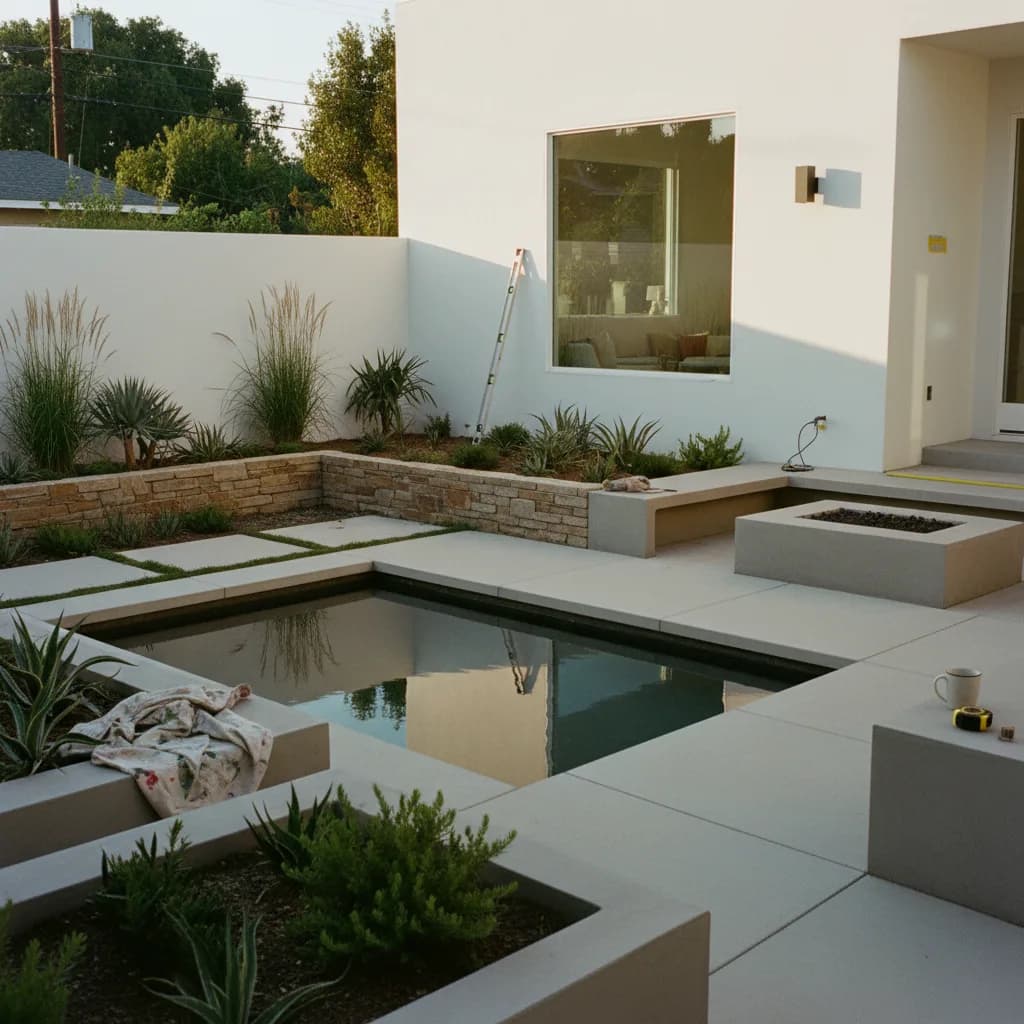
A full landscape design and installation in Los Angeles typically costs between $50,000 and $120,000 for a standard suburban lot, with a median project price hovering around $85,000 in 2026. While a simple front yard turf conversion or a paver patio refresh can start lower, in the $18,000 to $25,000 range, most comprehensive projects involving hardscape, softscape, irrigation, and lighting quickly reach the mid-five figures. The real budget story isn't the cost of the plants; it's the price of the groundwork that makes them thrive.
In a Nutshell
- Total Cost Range: $25,000 to $300,000+
- Mid-Range Project Average: $85,000
- Average Timeline: 8 to 16 weeks from design to completion
- Biggest Surprise Line Item: The cost of proper grading and drainage, which can add $8,000 to $25,000 on hillside properties and is often under-quoted initially.
What does a landscape design actually cost in Los Angeles in 2026?
The total investment for a landscape design in Los Angeles varies based on project size, material quality, and feature complexity. We've broken down the typical costs into three tiers to illustrate what homeowners can expect. The bottom-of-range case, around $25,000, typically covers a front-yard-only turf conversion or a simple backyard paver patio replacement, not a comprehensive redesign.
| Tier | Cost Range | Typical Scope |
|---|---|---|
| Basic | $25,000, $50,000 | Simple concrete paver patio, new sod or artificial turf, basic sprinkler system, minimal planting, and mulch. |
| Mid-Range | $50,000, $120,000 | Expanded hardscaping with higher-end pavers or a composite deck, a built-in BBQ island with a Lynx 36-inch Sedona grill, a simple pergola, low-voltage lighting, and a drought-tolerant plant palette under the Model Water Efficient Landscape Ordinance (MWELO). |
| Premium | $120,000, $300,000+ | Full outdoor kitchen, integration with a new pool or spa, custom fire feature, extensive natural stone hardscaping, mature specimen trees, advanced smart irrigation and lighting systems, and potential retaining walls or significant grading. |
For a typical $85,000 mid-range project, the budget allocation looks something like this:
- Hardscaping (Patios, Walkways, Walls): 35%
- Softscaping (Plants, Trees, Turf, Mulch): 25%
- Structures (Pergola, BBQ Island): 20%
- Utilities (Irrigation, Lighting, Gas): 15%
- Design, Permitting & Management: 5%
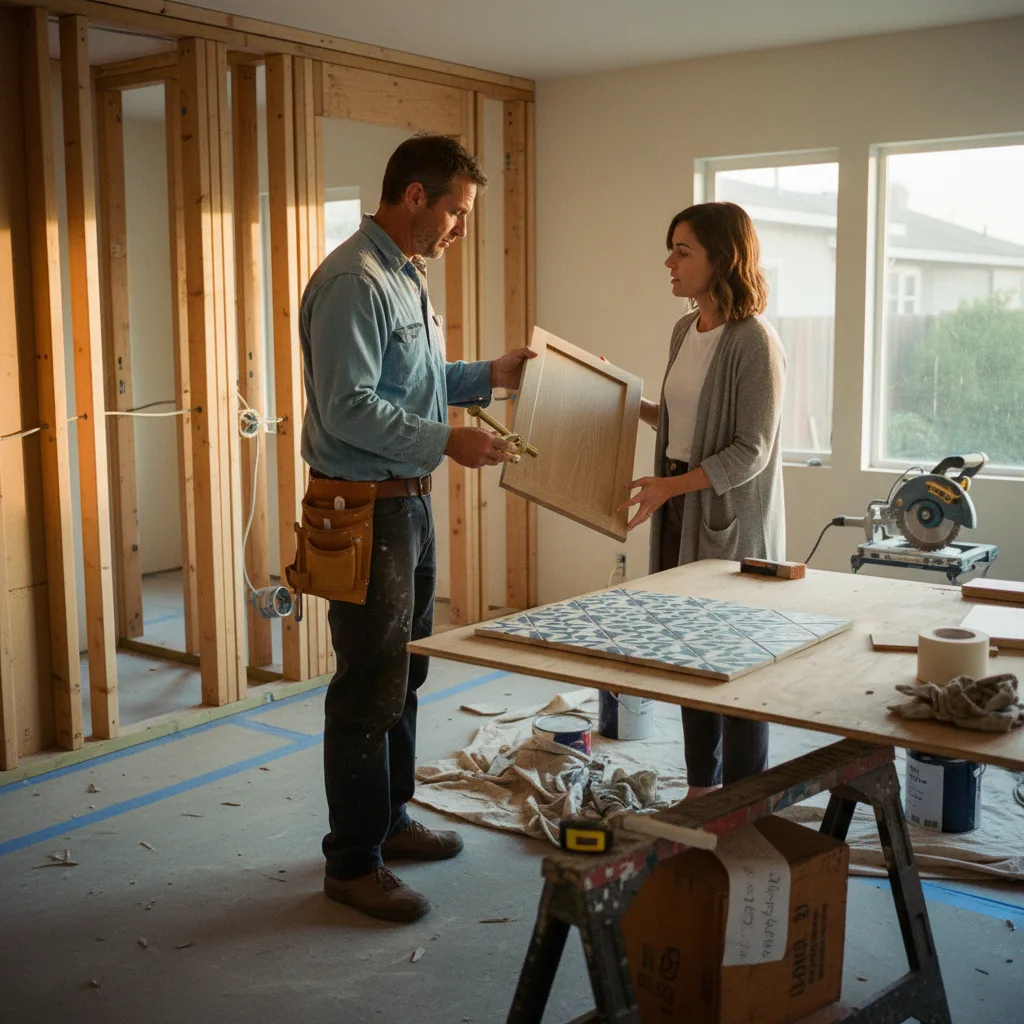
Why is it more expensive in Los Angeles than surrounding regions?
Three main factors drive the higher costs for landscape design in Los Angeles compared to areas like the Inland Empire or Central Valley.
First, labor rates are significantly higher. According to the California Department of Industrial Relations prevailing wage data for Los Angeles County, skilled trades command a premium. Expect to pay $60 to $95 per hour for licensed electricians or masons, and $25 to $45 per hour for landscape construction laborers. These rates are often 20 to 30 percent higher than in neighboring counties, directly impacting the final project cost.
Second, material sourcing and logistics add a layer of expense. While proximity to the Port of Los Angeles seems like an advantage, congestion and higher regional fuel costs translate to increased delivery fees for everything from pavers to soil amendments. Sourcing premium materials like Ipe wood for decking or specific types of natural stone can also involve longer lead times and higher price tags in the competitive LA market.
Finally, regulatory complexity and neighborhood premiums play a major role. Navigating the Los Angeles Department of Building and Safety (LADBS) for permits is a specialized skill., compliance with California's MWELO adds design and documentation costs. Contractors working in affluent or logistically challenging neighborhoods like Santa Monica, Mar Vista, or hillside areas in Brentwood often add a 15 to 25 percent premium to cover parking challenges, restricted work hours, and higher overhead.
What do real Los Angeles homeowners spend in 2026?
Ready to compare vetted project options?
Use Project Match privately when your scope is clear enough for contractor conversations.
Start Project MatchThree representative projects from 2026, scoped similarly, reconstructed from Golden Yards Magazine's invoiced project network and used here in aggregate form:
- The Sherman Oaks Overhaul ($92,000): For a 5,000-square-foot lot in the Valley, this project included a new 400-square-foot paver patio, a stucco-and-tile BBQ island, a pre-fabricated pergola, a new lawn with smart irrigation, and a complete low-voltage lighting system. The budget included demo of the old concrete patio and a handful of mature shrubs.
- The Silver Lake Hillside ($135,000): This project on a sloped lot required significant investment in infrastructure before the aesthetics. The final cost included two new retaining walls, extensive French drains, an Ipe wood deck to create a level entertaining space, and a curated palette of native, drought-tolerant plants. The higher cost reflects the engineering and earthwork required.
- The Culver City Courtyard ($78,000): On a smaller 3,500-square-foot lot, this homeowner focused on maximizing usable space. The project involved large-format concrete pavers, a custom gas fire pit, a dedicated dog run with artificial turf, new horizontal wood fencing for privacy, and extensive use of container plantings to soften the hardscape.
Where does the money actually go?
The most significant budget surprises in Los Angeles landscaping are rarely the visible elements. They are the foundational line items that contractors may not include in an initial, high-level estimate. Always ask about these specifically:
- Grading and Drainage: A non-negotiable for hillside properties and lots with poor drainage. Expect to budget $8,000 to $25,000 for proper grading, French drains, and catch basins to protect your home's foundation.
- Gas Line Upgrade: A new BBQ island or fire pit often requires a larger gas line. The gas line upsize from 1/2 inch to 3/4 inch is rarely in the first quote, budget another $1,800 to $4,500 if your meter doesn't support the BTU load.
- Electrical Subpanel: For extensive lighting, an outdoor kitchen with a refrigerator, or a future pool, a new 60-amp subpanel is often necessary. This can cost $2,500 to $5,000.
- MWELO Compliance Documentation: For any new or renovated landscape area over 500 square feet, a compliance package is required. This involves creating a hydrozone breakdown by sun exposure and water needs, adding $1,500 to $3,000 in design fees.
- Demolition and Hauling: Removing an old concrete patio, deck, or large trees can cost between $3,000 and $7,500. Ensure this is explicitly included in your quote.
- Permitting Fees: Navigating the LADBS system comes with costs. Plan for $1,200 to $4,000 in plan check, permit, and inspection fees for projects involving structures or significant utility work.
- Soil Amendment: Much of LA has heavy clay soil. Budget $2,000 to $6,000 for importing and blending organic compost and amendments to create a healthy growing medium for your new plants.
What stops a Los Angeles landscape from running over budget?
Three issues commonly cause budget overruns on LA landscape projects. First are unforeseen site conditions, like hitting solid rock during excavation or discovering abandoned utility lines. Second, mid-project design changes, such as upgrading from concrete pavers to bluestone, can cause a cascade of increased material and labor costs. Finally, an incomplete scope of work from the contractor, which omits crucial items like drainage or soil preparation, will lead to expensive change orders later.
To guard against these issues, a detailed contract and a financial buffer are essential. The National Association of Home Builders recommends a ten to fifteen percent contingency on renovations in homes over thirty years old. This fund covers unexpected problems without derailing the project or forcing compromises on the final design.
Ready to plan your budget?
Compare planting, irrigation, drainage and hardscape choices in our California landscaping planning guide. Use a written project brief to request Los Angeles bids that cover the same area and features.
What should your Los Angeles contractor include in the quote?
A vague quote is a red flag. A professional landscape design contractor in Los Angeles should provide a detailed proposal that includes the following line items:
- A detailed site plan with all dimensions and features clearly marked.
- A specific scope for demolition, including what will be removed and how.
- A clear plan for grading and drainage, specifying drain types and locations.
- Hardscape specifications: material (e.g., "Belgard Catalina Grana pavers"), square footage, base preparation method, and edge restraints.
- Softscape plan: a complete plant list with botanical names, sizes (e.g., 5-gallon, 15-gallon), quantities, and soil preparation details.
- Irrigation system specifications, including the brand of controller and heads (e.g., "a Hunter Pro-C controller with MP Rotator nozzles").
- Low-voltage lighting plan, including fixture counts, types, and transformer brand (e.g., "a Kichler system with 15 path lights").
- Detailed drawings and material specs for all structures like pergolas or kitchen islands.
- A breakdown of all utility connections (gas, electrical, water) to be performed by licensed subcontractors.
- A statement of who is responsible for securing permits. Ensure the quote specifies who is responsible for pulling permits and navigating the Los Angeles Department of Building and Safety (LADBS); you can learn more in our Los Angeles Landscape Permit Playbook for 2026.
- A project schedule with key milestones and an estimated completion date.
- A clear payment schedule tied to project milestones.
- Warranty information for plants, materials, and labor.
- Confirmation that all debris removal and final site cleanup are included.
Sources & Methodology
See the Golden Yards Methodology for how sources are reviewed, ranges are normalized, and planning-data limits are handled.
Cost ranges in this guide draw on the following named industry sources, public agency datasets, and Golden Yards Magazine editorial research.
- California Department of Industrial Relations, Prevailing Wage Determinations for Los Angeles County (2026)
- Los Angeles Department of Building and Safety (LADBS), Permit Fee Schedule (2026)
- National Association of Home Builders (NAHB), Remodeling Market Index (RMI) (Q1 2026)
- California Landscape Contractors Association (CLCA), Los Angeles/San Gabriel Valley Chapter Member Survey (2025)
- California Contractors State License Board (CSLB), Licensee Demographic Data (2026)
- SoCalWater$mart, Residential Rebate Program Data (2026)
Golden Yards Magazine Take
The most common mistake we see Los Angeles homeowners make is focusing their budget on the aesthetic finishes while underestimating the foundational costs. The conversation gets stuck on the brand of the grill or the color of the pavers, but the true budget drivers are invisible. The difference between a $75,000 project that lasts and a $125,000 one is often the money spent below the surface: the French drains, the properly compacted base for the patio, the upgraded gas line trenched across the yard. These unglamorous items are what make the beautiful parts possible and prevent costly failures down the road. A successful project budgets for the infrastructure first. Don't get sold on a pretty picture; get a detailed quote on the groundwork that supports it.
Frequently Asked Questions
How much does a landscape designer cost in Los Angeles?
Landscape design fees in Los Angeles typically range from $3,000 to $15,000, representing 5% to 15% of the total project budget. For a mid-range $85,000 project, expect to pay around $6,000 to $10,000 for a full set of plans including hardscape, planting, lighting, and irrigation layouts.
This fee covers initial consultations, site analysis, concept development, and the creation of construction-ready documents. A landscape architect, who can stamp plans for complex retaining walls or structures, may charge more than a landscape designer. Some design-build firms roll this cost into the total project price, but it is always wise to ask for it as a separate line item to understand the value.
Do I need a permit for landscaping in Los Angeles?
Yes, many landscaping elements in Los Angeles require permits from the Los Angeles Department of Building and Safety (LADBS). This includes decks over 30 inches high, retaining walls over four feet, most pergolas and patio covers, and any new gas or significant electrical work. Simple planting and on-grade patios typically do not require permits.
The permit process adds time and cost but ensures the work is safe and up to code. For projects with more than 500 square feet of new landscaping, you will also need to comply with the state's Model Water Efficient Landscape Ordinance (MWELO), which requires a specific landscape documentation package proving water efficiency.
What is the turf replacement rebate in Los Angeles?
The turf replacement rebate, primarily offered through the Metropolitan Water District of Southern California and administered by local utilities like LADWP, is currently around $3 per square foot. For a typical 1,500 square foot lawn, this could result in a rebate of up to $4,500, significantly offsetting the cost of conversion.
You must check the SoCalWater$mart website for current rates and specific requirements before starting your project. The program has strict rules, including a pre-approval process, a minimum number of drought-tolerant plants, and a ban on artificial turf. These rebates are a key financial incentive for creating a more sustainable, MWELO-compliant yard.
How can I save money on my Los Angeles landscape design?
The most effective ways to save are by phasing the project over several years, choosing cost-effective materials like decomposed granite instead of natural stone, and installing smaller plants that will grow over time. DIYing demolition or planting can also reduce labor costs if you have the skill and time.
Prioritize the infrastructure first: grading, drainage, and irrigation. You can always add the custom fire pit or high-end lighting later. For materials, consider a mix: use a premium paver for the main patio and a more affordable gravel for secondary paths. Also, get at least three detailed bids from qualified landscape design contractors in Los Angeles to ensure competitive pricing.
What are the best drought-tolerant plants for Los Angeles?
Excellent drought-tolerant choices for Los Angeles gardens include California natives like Ceanothus (California Lilac) and Salvia (Sage), along with resilient Mediterranean plants like Lavender, Rosemary, and Olive trees. Succulents such as Agave and Aloe are also extremely popular for their low water needs and striking architectural forms.
When planning, group plants with similar water and sun needs into "hydrozones" as required by MWELO. For example, place thirsty plants, if any, in a small, dedicated zone near the house, while tough natives populate the outer, sunnier areas. This not only saves water but creates a healthier, more resilient garden that thrives in LA's climate.
Ready to start your landscaping project?
Find My ProsFrequently Asked Questions
How much does a landscape designer cost in Los Angeles?
In Los Angeles, landscape design fees typically range from $3,000 to $15,000, representing 5% to 15% of the total project budget. For a mid-range $85,000 project, expect to pay around $6,000 to $10,000 for a full set of plans covering hardscape, planting, lighting, and irrigation layouts.
This fee covers initial consultations, site analysis, concept development, and the creation of construction-ready documents. A landscape architect, who can stamp plans for complex retaining walls or structures, may charge more than a landscape designer. Some design-build firms roll this cost into the total project price, but it is always wise to ask for it as a separate line item to understand the value.
Do I need a permit for landscaping in Los Angeles?
Yes, many landscaping projects in Los Angeles require permits from the LADBS. This includes decks over 30 inches high, retaining walls over four feet, and most pergolas or patio covers. For projects with over 500 square feet of new landscaping, you must also comply with the state's Model Water Efficient Landscape Ordinance (MWELO).
The permit process with the Los Angeles Department of Building and Safety (LADBS) adds time and cost but ensures your project is safe and meets code. While simple planting and on-grade patios are exempt, permits are required for decks over 30 inches high, retaining walls taller than four feet, and most pergolas. Any new gas or significant electrical work also requires a permit.
For projects involving more than 500 square feet of new landscaping, compliance with the state's Model Water Efficient Landscape Ordinance (MWELO) is mandatory. This requires submitting a specific landscape documentation package that proves the design's water efficiency.
What is the turf replacement rebate in Los Angeles?
The turf replacement rebate in Los Angeles is around $3 per square foot, offered through the Metropolitan Water District of Southern California and administered by utilities like LADWP. For a typical 1,500 square foot lawn, this could result in a rebate up to $4,500, supporting a sustainable, MWELO-compliant yard.
You must check the SoCalWater$mart website for current rates and specific requirements before beginning your project. The program has strict rules, including a mandatory pre-approval process. To qualify, your plan must also include a minimum number of drought-tolerant plants and cannot use artificial turf. These rebates are a key financial incentive for offsetting the cost of conversion to a more sustainable landscape.
How can I save money on my Los Angeles landscape design?
Save money on your Los Angeles landscape design by phasing the project over several years, choosing cost-effective materials like decomposed granite over natural stone, and installing smaller plants. Prioritizing infrastructure first and handling some demolition or planting yourself can also reduce labor costs. Always get at least three competitive bids from qualified contractors.
Phasing a project allows you to build foundational elements like grading, drainage, and irrigation first, while saving for features like a custom fire pit or high-end lighting. For materials, you can mix high and low costs, for example, using premium pavers for a main patio and affordable gravel for secondary paths. If you have the time and skill, performing your own demolition or planting can cut down on labor expenses. To ensure fair pricing for the work, be sure to get at least three detailed bids from qualified landscape design contractors in Los Angeles.
What are the best drought-tolerant plants for Los Angeles?
Excellent drought-tolerant plants for Los Angeles include California natives like Ceanothus and Salvia, Mediterranean plants such as Lavender and Rosemary, and succulents like Agave. For a resilient garden, group plants with similar water needs into hydrozones, a practice required by MWELO that helps conserve water and supports plant health in LA's climate.
Top choices for Los Angeles gardens feature California natives like Ceanothus (California Lilac) and Salvia (Sage), along with hardy Mediterranean plants like Lavender, Rosemary, and Olive trees. Succulents, including Agave and Aloe, are popular for their low water requirements and distinct architectural shapes.
When planning, it is important to create "hydrozones" as specified by MWELO. This strategy involves grouping plants with similar sun and water needs. For example, place any plants that need more water in a small, dedicated area near the house, while allowing tough natives to fill the sunnier, outer parts of the garden.