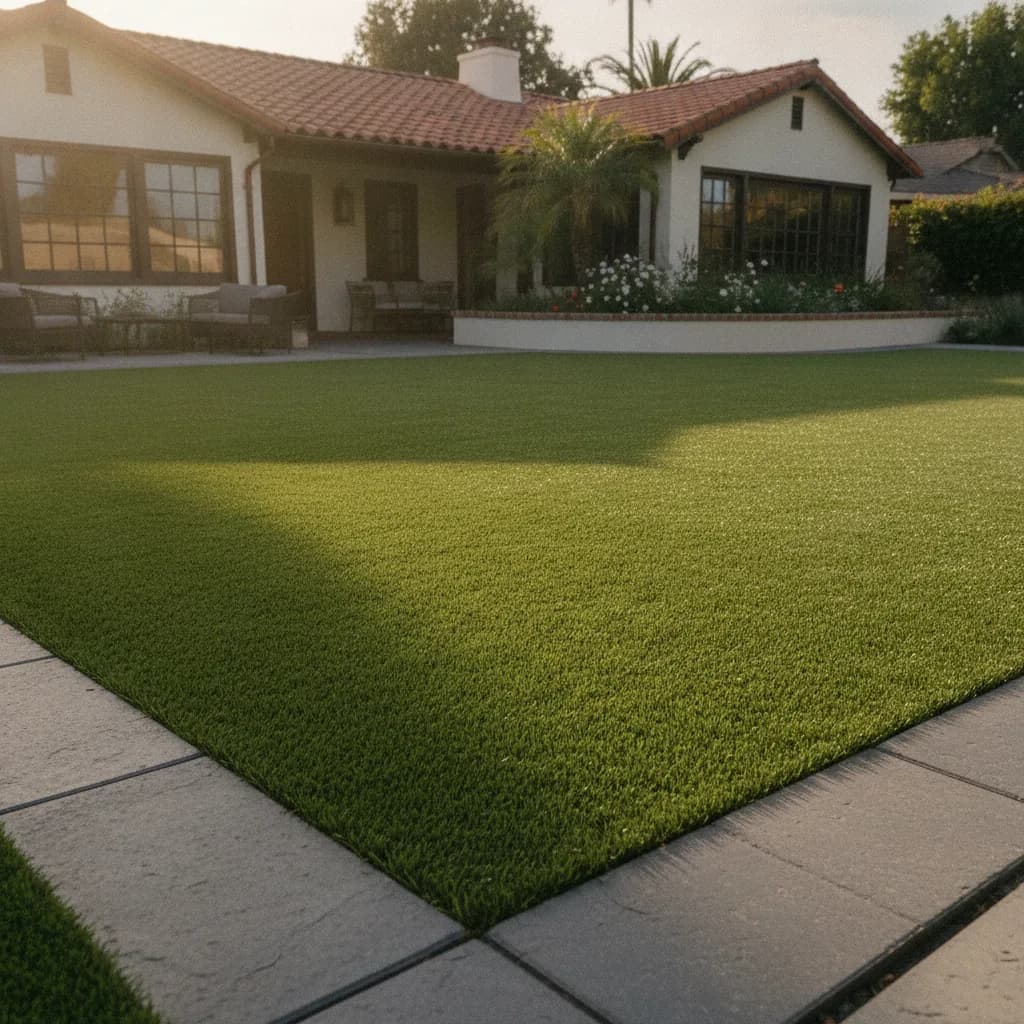
An artificial turf installation in Pasadena, a project often marketed as a quick, three-day affair, realistically spans one to four weeks from the first shovel in the ground to the final grooming. The timeline can be shorter for a simple, flat side-yard, but for a typical 1,000-square-foot lawn conversion in a neighborhood like Bungalow Heaven, expect a multi-week process. The single biggest delay isn't the turf delivery or the weather; it's discovering poor drainage or heavily compacted clay soil after the old lawn is removed. Addressing this properly with French drains or extra base material adds days and dollars, turning a simple surface swap into a minor civil engineering project right in your backyard.
In a Nutshell
- Total Project Timeline: 1 to 4 weeks for a standard 800-1,200 sq. ft. installation.
- The Four Phases: The project breaks down into four distinct stages: Design & Material Selection; Site Demolition & Base Preparation; Turf & Infill Installation; and Final Grooming & Walkthrough.
- Biggest Delay Risk: Unforeseen sub-grade issues. Poor drainage, buried irrigation lines, or exceptionally hard-packed clay soil can require significant extra work, easily adding 3-5 days to the schedule.
- Budget Contingency: Plan for surprises. For any landscape project on an older Pasadena home, a 10% to 15% budget contingency is essential to cover unexpected site prep costs.
Phase 1: Design and Permits (Week 1)
While most homeowners focus on the turf itself, the initial phase is about foundational choices and regulatory checks. For most standalone artificial turf projects, Pasadena does not require a building permit. However, the calculus changes if your project is part of a larger landscape overhaul. If you're creating or replacing 500 square feet or more of total landscaped area, your project falls under California's Model Water Efficient Landscape Ordinance (MWELO). This means your plans, including the non-permeable turf area versus permeable planting beds, will need a review by the Pasadena Planning & Community Development department to ensure water-use efficiency. This is a design-phase consideration, not a mid-project surprise. This week is also for critical material decisions. You're not just choosing a color; you're selecting a product line, like a SYNLawn USDA Certified Biobased turf with an 80-ounce face weight for durability, and an infill system. Will it be standard silica sand, or will you upgrade to a cooler, acrylic-coated sand or a specialized pet-friendly infill like ZeoFill? An experienced artificial turf contractor in Pasadena will provide samples and explain the trade-offs in heat retention, feel, and cost.
Phase 2: Site Prep and Foundation (Weeks 1, 2)
This is where the real work of an artificial turf installation happens, and it's the phase most frequently under-quoted and misunderstood. The success of your 15-year investment is determined not by the turf on top, but by the several inches of base beneath it. The process begins with demolition: a sod cutter removes the old lawn, which is then hauled away. Then, the crew excavates three to four inches of native soil. In many parts of Pasadena and the San Gabriel Valley, this means dealing with dense, expansive clay soil that requires heavy equipment. The cost of this excavation and disposal is a significant line item. Next comes the sub-base. A premium installation involves importing three to four inches of Class II road base, a specific aggregate mix that allows for drainage and compacts to a stable, level surface. This material is brought in by the ton, spread, and compacted with a plate compactor to ensure it won't settle over time. A less-thorough contractor might only propose two inches of decomposed granite, a shortcut that can save them money but cost you dearly in depressions and unevenness down the line. This is also when drainage solutions, such as installing French drains to channel water away from the house, are put in place.
Phase 3: Construction Scope (Weeks 2, 3)
Ready to compare vetted project options?
Use Project Match privately when your scope is clear enough for contractor conversations.
Start Project MatchWith the foundation perfectly graded and compacted, the project starts to look like a lawn again. First, a commercial-grade, non-woven geotextile weed barrier is laid across the entire base. This fabric is critical for preventing weed growth while still allowing water to percolate through. Next, the rolls of artificial turf are brought in, carefully positioned, and rolled out. The material needs to acclimate, often for several hours in the sun, to allow the backing to relax and expand. The most technical part of this phase is seaming. Where two pieces of turf meet, the edges are trimmed and joined with a specialized seam tape and a strong adhesive. An expert installer ensures these seams are invisible by aligning the grain of the synthetic fibers perfectly. The entire perimeter of the turf is then secured, typically with five-inch, non-galvanized stakes driven every six inches through the turf and into the base. Finally, the infill is applied. Using a professional drop spreader, the crew distributes one to two pounds per square foot of your chosen infill, for instance, a premium product like Envirofill with its Microban antimicrobial technology, which is ideal for homes with pets and children. This infill provides ballast, helps the fibers stand upright, and gives the lawn its soft, cushioned feel.
Phase 4: Finishes and Final Inspection (Week 3, 4)
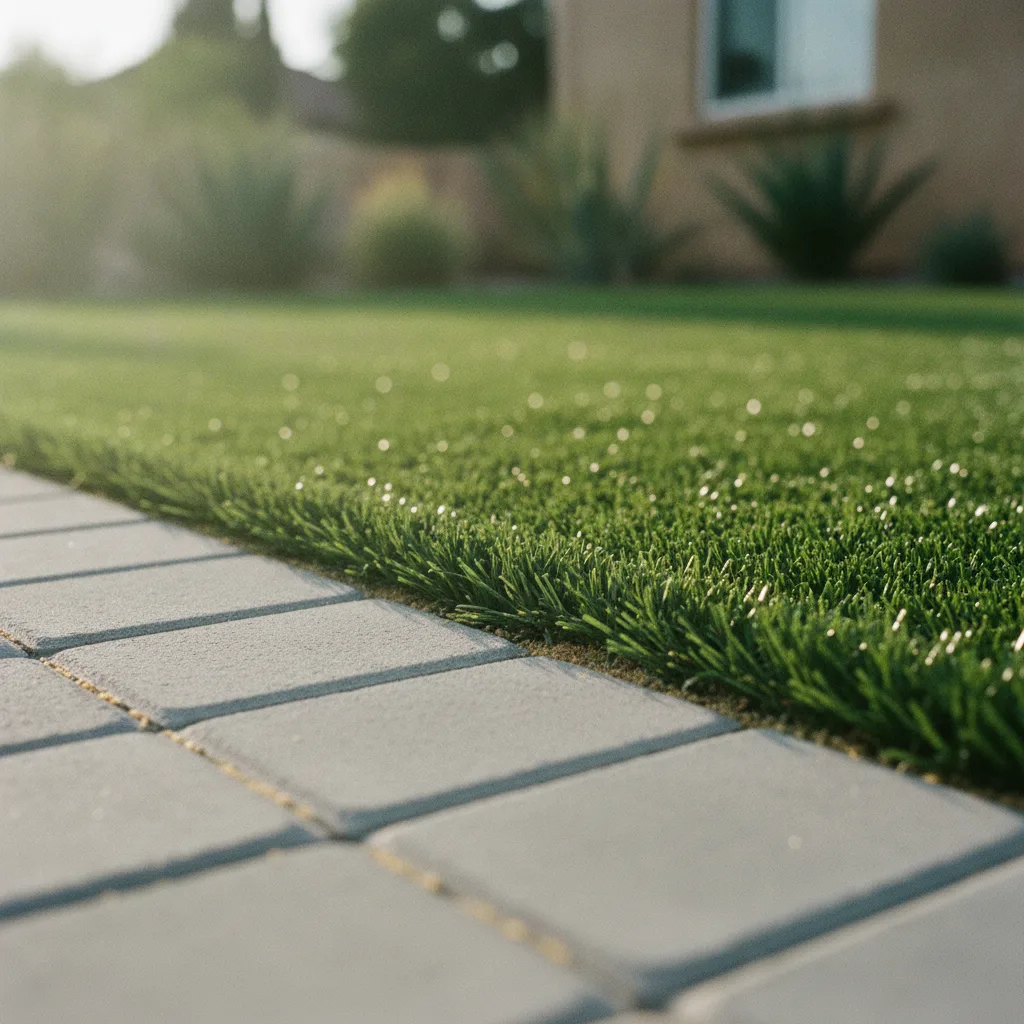
The final phase is about turning a construction site back into a pristine backyard. The key step is power-brooming. Using a motorized rotary brush, the installer works against the grain of the turf to force the infill down into the base of the fibers and make the individual blades stand up straight and look as natural as possible. This process can take several hours to get just right and is a hallmark of a professional job. The crew then performs a final inspection of all seams, ensuring they are secure and invisible. They check the entire perimeter to confirm the turf is tightly fastened and flush with any adjacent hardscape, like a patio or walkway. A thorough site cleanup follows, removing all equipment, leftover materials, and debris. The project concludes with a final walkthrough with you, the homeowner. Your contractor should explain any maintenance requirements and answer questions before you sign off and make the final payment. If your project required a permit due to its scale, this is when the final sign-off from a Pasadena city inspector would take place, officially closing out the permit.
Three Representative Projects from 2026
Three representative California projects from 2026, scoped similarly, reconstructed from Golden Yards Magazine's invoiced project network and presented here in aggregate form:
- Madison Heights, Pasadena: A 900-square-foot backyard conversion for a family with two dogs. The scope included demolition of an old, patchy lawn, excavation of four inches of clay soil, and installation of a premium pet-friendly turf system (a SYNLawn product with an 80oz face weight) and ZeoFill infill. The project also required adding a 50-foot French drain tied into an existing downspout. Total Cost: $15,800. Total Time: 3 weeks.
- North Glendale: A 1,500-square-foot front yard project focused on curb appeal and drought tolerance. The homeowner chose a mid-tier turf with a mix of green and tan fibers for a more natural look. The site had a significant slope, requiring careful grading and a small retaining border made of steel edging. Standard silica sand infill was used to manage costs. Total Cost: $22,500. Total Time: 3.5 weeks.
- Altadena Foothills: A complex 600-square-foot project to create a backyard putting green. This required a specialized, low-pile nylon turf, a much more intricate sub-base with multiple layers of aggregate for perfect drainage and ball roll, and the installation of three regulation cups. The shaping and contouring of the green added significant labor. Total Cost: $12,500. Total Time: 2 weeks.
What Can Compress This Timeline
While many factors are out of your control, homeowners can influence the schedule in three key areas. First, make decisive material selections upfront. Having your turf, infill, and any edging materials chosen and ordered before the project begins prevents waiting-on-materials delays. Second, ensure clear and easy site access. If crews can easily move small excavators, wheelbarrows, and equipment from the street to your yard without navigating narrow gates or stairs, the demolition and base prep phases will go significantly faster. Third, signing a contract in the off-season, like late fall, can sometimes secure you a spot at the front of a contractor's spring schedule. An artificial turf contractor in Pasadena is often busiest from March through August, so booking ahead can avoid a long wait.
What Blows It Up
Three things reliably derail an artificial turf project's timeline and budget. The most common is discovering unexpected underground obstacles. Finding old irrigation mainlines that need to be rerouted, encountering a buried concrete footing from a previous structure, or hitting a shallow utility line can stop work for days while a solution is engineered. Second, scope creep. Deciding mid-project to add landscape lighting, a new planter bed, or expand the turf area is a guaranteed way to add weeks and thousands of dollars. Any changes after the sub-base is graded are particularly disruptive. Third, in communities with strict architectural review, Homeowners' Association (HOA) approval can be a significant bottleneck before work can even begin. The National Association of Home Builders recommends a ten to fifteen percent contingency on renovations in homes over thirty years old.
What Should Be in Your Contractor's Schedule
A professional proposal should include more than just a total price; it needs a clear, itemized scope of work that doubles as a project schedule. Vague contracts are a red flag. Insist that your agreement includes these specific line items, as they represent the key phases of the work. For a more detailed breakdown of the paperwork involved, see our complete permit playbook. Here’s what to look for:
- Site Protection and Project Staging
- Demolition of Existing Lawn and Soil Excavation (specifying depth)
- Haul Away and Disposal of Debris
- Irrigation System Capping and Modification
- Import, Spreading, and Grading of Sub-Base Material (specifying type and depth)
- Compaction of Sub-Base to Industry Standard
- Installation of Geotextile Weed Barrier
- Turf Layout, Acclimation, and Seaming
- Perimeter Securing and Edging Installation
- Infill Application and Power-Brooming
- Final Site Cleanup and Demobilization
- Homeowner Walkthrough and Project Sign-Off
Golden Yards Take
The marketing for artificial turf often sells a product. You see pictures of the perfect, green carpet and hear about a quick installation. But a durable, long-lasting artificial turf installation is not a product, it's a process. Specifically, it's a small-scale earthworks project where the most important components are completely invisible in the finished product. The cost and quality of an artificial turf installation in Pasadena are determined by the depth, material, and compaction of the sub-base. A contractor who skimps on the base to offer a lower price is not providing a bargain; they are delivering a future failure. When interviewing contractors, focus your questions on their base preparation methodology. The brand of turf matters, but the foundation beneath it matters far more. That unseen layer is what guarantees your investment will look just as good in year ten as it does in week one.
Frequently Asked Questions
How long does an artificial turf installation in Pasadena really take?
A typical 800 to 1,200-square-foot artificial turf project in Pasadena takes one to three weeks from the start of demolition to the final walkthrough. While the actual turf-laying can be quick, the majority of the time is dedicated to proper site preparation, which is the most critical phase for a long-lasting result.
The timeline breaks down into several parts. Demolition and excavation of the old lawn and soil can take two to four days, depending on access and soil conditions. Importing, grading, and compacting several tons of sub-base material is another two to four-day process. The final installation of the weed barrier, turf, and infill might only take two or three days. Factors like complex shapes, drainage installation, or weather can extend this schedule.
Can I use my yard during the installation?
You should plan for your yard to be an active and inaccessible construction zone during the core installation period. The area will be occupied by heavy materials like rolls of turf and piles of aggregate, along with equipment such as sod cutters and plate compactors. For safety reasons, it's best to keep children and pets away entirely.
While your contractor will ensure you have a clear path to enter and exit your home, the project area itself will be off-limits. Expect a moderate level of noise and dust, particularly during the demolition and compaction phases. A professional crew will do their best to contain the mess and clean up the site at the end of each day, but the space will not be usable for recreation until the project is complete.
What's the longest single phase of a turf project?
The site preparation and sub-base construction is consistently the longest and most physically demanding phase of any artificial turf installation. This stage involves much more than just clearing the area. It includes the heavy labor of excavating and removing tons of old soil and sod, followed by importing, distributing, and grading tons of new aggregate base material.
This phase cannot be rushed. Proper grading is essential to ensure water drains correctly off the surface, and compacting the base to the right density is critical to prevent future dips, lumps, or sinking spots in your lawn. For a standard backyard, this foundational work can easily take up more than half of the total on-site project time.
Do I need a permit for artificial turf in Pasadena?
In Pasadena, a permit is generally not required for the simple act of replacing a natural lawn with artificial turf. However, a permit can be triggered if the turf is part of a larger landscape project. California's Model Water Efficient Landscape Ordinance (MWELO) applies to any new construction project with a landscape area of 500 square feet or more, or any existing landscape that is being replaced and is 2,500 square feet or more.
If your overall project, which might include new patios, planters, and other features, exceeds these thresholds, you will need to submit a landscape plan to the Pasadena Planning & Community Development department for review. This plan must show compliance with water conservation standards, and your artificial turf area will be part of that calculation. An experienced local contractor will be familiar with these requirements.
Why is professional turf installation so much more than the turf material cost?
The high cost of a professional artificial turf installation is primarily driven by the extensive labor and sub-surface materials, not the turf itself. The synthetic turf material often accounts for only 30-40% of the total project cost. The majority of the budget, around 60-70%, covers the skilled labor and raw materials required for a durable foundation.
This includes costs for demolition, hauling away tons of soil, purchasing and delivering tons of aggregate base, and the intensive labor of grading, compaction, seaming, and finishing. These labor costs are influenced by regional wage standards, as documented in the California Department of Industrial Relations prevailing wage data for Los Angeles County. You are paying for a small-scale construction project, where the quality of the unseen base work determines the longevity of the entire investment.
Sources & Methodology
Golden Yards reviews public permit and code signals, material pricing, climate and site constraints, contractor quote patterns, comparable projects, the Golden Yards Cost Index, and the Golden Yards Methodology. Cost references are planning ranges, not fixed bids.
- Pasadena Water and Power, Landscape and Water Efficiency Resources
- State of California, Model Water Efficient Landscape Ordinance (MWELO)
- Synthetic Turf Council, Guidelines for Synthetic Turf Installation
- California Department of Industrial Relations, Prevailing Wage Rates for Los Angeles County
- SoCalWater$mart, Residential Rebate Program Details
- National Association of Home Builders (NAHB), Remodeling Market Index
- Interlocking Concrete Pavement Institute (ICPI), Sub-base Preparation Guidelines
Ready to start your artificial turf project?
Find My ProsFrequently Asked Questions
How long does an artificial turf installation in Pasadena really take?
A typical 800 to 1,200-square-foot artificial turf project in Pasadena takes one to three weeks from the start of demolition to the final walkthrough. While the actual turf-laying can be quick, the majority of the time is dedicated to proper site preparation, which is the most critical phase for a long-lasting result.
The timeline breaks down into several parts. Demolition and excavation of the old lawn and soil can take two to four days, depending on access and soil conditions. Importing, grading, and compacting several tons of sub-base material is another two to four-day process. The final installation of the weed barrier, turf, and infill might only take two or three days. Factors like complex shapes, drainage installation, or weather can extend this schedule.
Can I use my yard during the installation?
You should plan for your yard to be an active and inaccessible construction zone during the core installation period. The area will be occupied by heavy materials like rolls of turf and piles of aggregate, along with equipment such as sod cutters and plate compactors. For safety reasons, it's best to keep children and pets away entirely.
While your contractor will ensure you have a clear path to enter and exit your home, the project area itself will be off-limits. Expect a moderate level of noise and dust, particularly during the demolition and compaction phases. A professional crew will do their best to contain the mess and clean up the site at the end of each day, but the space will not be usable for recreation until the project is complete.
What's the longest single phase of a turf project?
The site preparation and sub-base construction is consistently the longest and most physically demanding phase of any artificial turf installation. This stage involves much more than just clearing the area. It includes the heavy labor of excavating and removing tons of old soil and sod, followed by importing, distributing, and grading tons of new aggregate base material.
This phase cannot be rushed. Proper grading is essential to ensure water drains correctly off the surface, and compacting the base to the right density is critical to prevent future dips, lumps, or sinking spots in your lawn. For a standard backyard, this foundational work can easily take up more than half of the total on-site project time.
Do I need a permit for artificial turf in Pasadena?
In Pasadena, a permit is generally not required for the simple act of replacing a natural lawn with artificial turf. However, a permit can be triggered if the turf is part of a larger landscape project. California's Model Water Efficient Landscape Ordinance (MWELO) applies to any new construction project with a landscape area of 500 square feet or more, or any existing landscape that is being replaced and is 2,500 square feet or more.
If your overall project, which might include new patios, planters, and other features, exceeds these thresholds, you will need to submit a landscape plan to the Pasadena Planning & Community Development department for review. This plan must show compliance with water conservation standards, and your artificial turf area will be part of that calculation. An experienced local contractor will be familiar with these requirements.
Why is professional turf installation so much more than the turf material cost?
The high cost of a professional artificial turf installation is primarily driven by the extensive labor and sub-surface materials, not the turf itself. The synthetic turf material often accounts for only 30-40% of the total project cost. The majority of the budget, around 60-70%, covers the skilled labor and raw materials required for a durable foundation.
This includes costs for demolition, hauling away tons of soil, purchasing and delivering tons of aggregate base, and the intensive labor of grading, compaction, seaming, and finishing. These labor costs are influenced by regional wage standards, as documented in the California Department of Industrial Relations prevailing wage data for Los Angeles County. You are paying for a small-scale construction project, where the quality of the unseen base work determines the longevity of the entire investment.