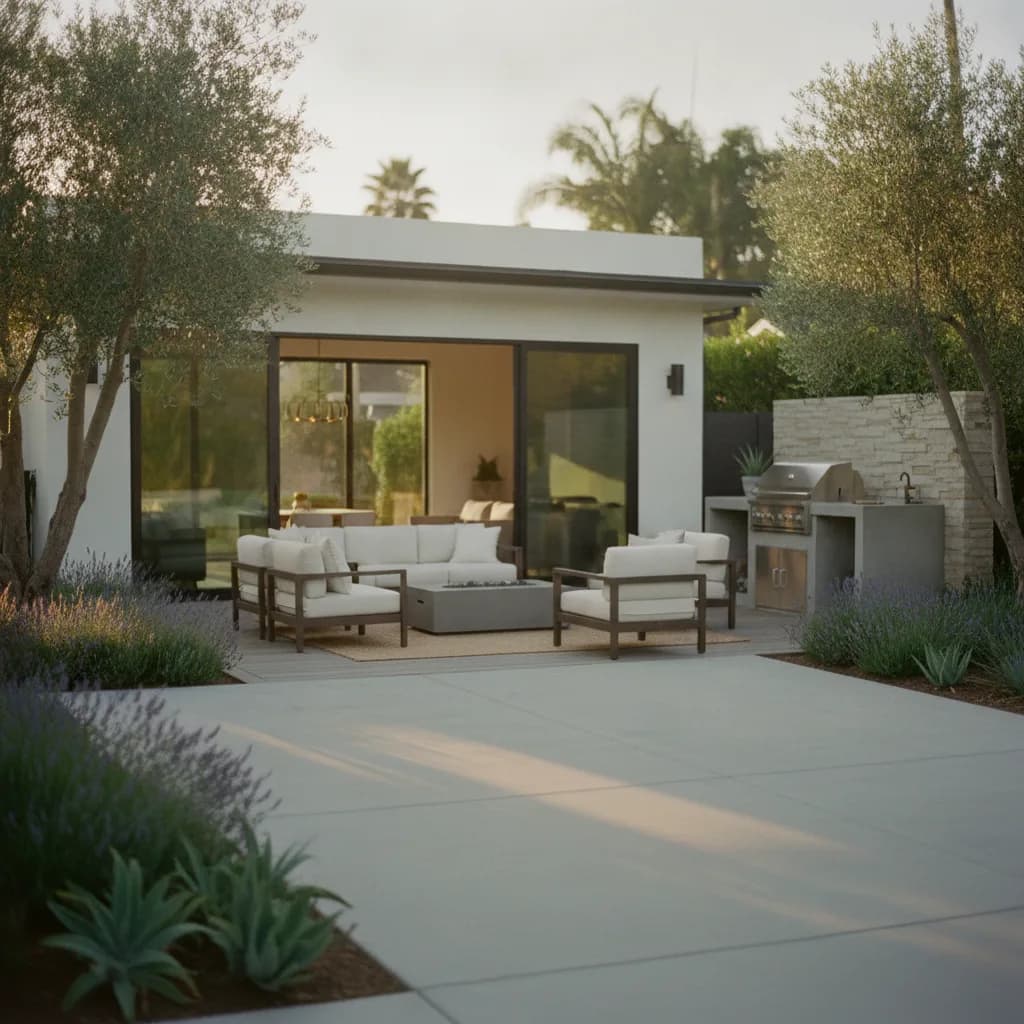
Replacing your driveway in Santa Monica offers a strong return on investment (ROI) typically ranging from 60% to 85%, significantly enhancing curb appeal and overall home value. This project, costing between $12,000 and $45,000+ for an average Santa Monica property in 2026, is a strategic upgrade that addresses both aesthetics and functionality. Understanding local costs, material suitability for coastal conditions, and specific permitting is crucial for a successful project.
What is the ROI for driveway replacement in Santa Monica?
Homeowners in Santa Monica can expect a robust ROI of 60% to 85% on a professionally installed driveway replacement, making it one of the most impactful exterior home improvements. This return is driven by the immediate boost to curb appeal, improved functionality, and the perception of a well-maintained property in a competitive real estate market. While exact figures vary based on material choice and project scope, a new driveway consistently ranks high for value retention compared to many interior renovations.
Premium lot expectations in Santa Monica often push material selection toward natural stone, flamed granite, or designer pavers, which, while more expensive, can yield an even higher perceived value and ROI in affluent neighborhoods. Homes with new, well-designed driveways tend to sell faster, often commanding slightly higher asking prices due to the enhanced first impression and reduced buyer concerns about deferred maintenance.
What are the average costs for driveway replacement in Santa Monica by material type in 2026?
The average cost for driveway replacement in Santa Monica in 2026 varies significantly based on material, size, and complexity, typically ranging from $12,000 to $45,000 or more. Concrete remains a popular and cost-effective choice, while permeable pavers offer environmental benefits and a premium aesthetic.
Here’s a breakdown of typical costs per square foot for common driveway materials in Santa Monica:
Asphalt: $7 - $12 per square foot. While generally the most budget-friendly, asphalt requires more frequent maintenance in Santa Monica's climate due to sun exposure and potential for cracking. A typical 500 sq ft asphalt driveway might cost $3,500 - $6,000. Standard Concrete: $8 - $15 per square foot. Durable and versatile, concrete is a solid choice. Stamped or colored concrete can push costs higher. A 500 sq ft concrete driveway would range from $4,000 - $7,500. Pavers (Concrete/Brick): $15 - $30+ per square foot. Offering excellent aesthetics and durability, pavers are a premium option. Permeable paver systems, often encouraged by local regulations for drainage, fall into the higher end of this range. A 500 sq ft paver driveway could cost $7,500 - $15,000+. Natural Stone (e.g., Flamed Granite, Flagstone): $30 - $60+ per square foot. These high-end materials are typically reserved for luxury properties, offering unparalleled elegance and longevity. A 500 sq ft natural stone driveway could easily exceed $15,000.
These figures include demolition of the old driveway, site preparation, materials, and installation. Keep in mind that complex designs, extensive grading, or specialized drainage solutions will increase the overall project cost. For a detailed comparison of materials, you might find our guide on Concrete vs Asphalt Driveway in Los Angeles: Cost & Comparison Guide helpful.
How do Santa Monica's coastal climate and architectural styles impact driveway material choices?
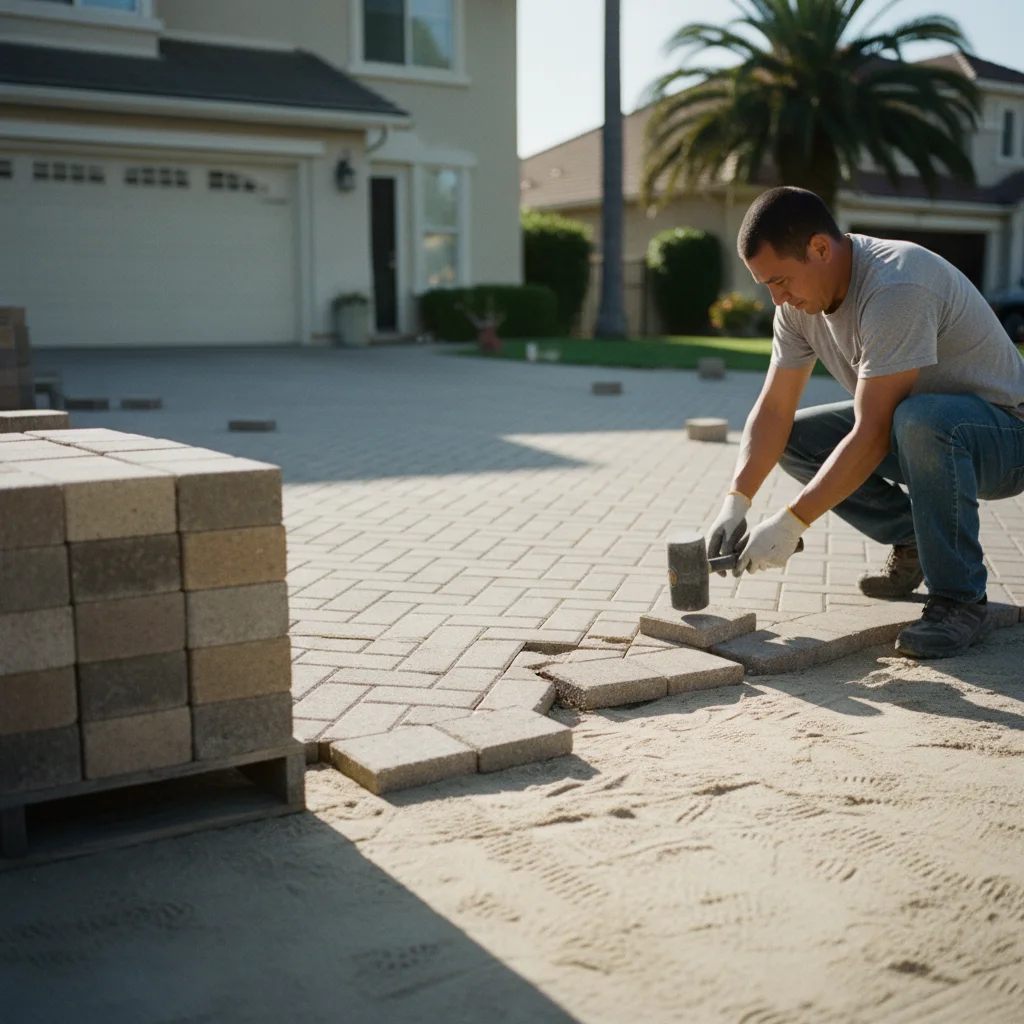
Santa Monica's unique coastal climate, characterized by salt-laden ocean air, morning fog, and occasional heavy winter storms, profoundly influences the best driveway material choices and their longevity. This environment necessitates materials that can withstand moisture, salt, and temperature fluctuations without rapid degradation.
Salt-laden Ocean Air: This accelerates corrosion on ferrous metals and can degrade certain sealants and finishes. For driveway borders or gates, stainless 316, powder-coated aluminum, and marine-grade composites are preferred over standard steel or untreated wood. Materials like natural stone and high-quality concrete or pavers are generally robust against salt exposure. Moisture Management: Drainage and grading strategy must handle both winter storm runoff and morning fog condensation. Permeable pavers, French drains, and slope-away detailing are common requirements, often mandated by local codes to manage stormwater. This makes materials that can be integrated into effective drainage systems, such as permeable pavers, particularly attractive and often a higher ROI choice. Architectural Harmony: Santa Monica boasts diverse architectural styles, from Spanish Colonial Revival to Mid-Century Modern and contemporary designs. Material selection should complement your home's aesthetic. For example, natural stone or terracotta-toned pavers suit Spanish-style homes, while sleek concrete or geometric paver patterns might better match modern residences.
Choosing materials that are both durable in a coastal environment and aesthetically aligned with your home and neighborhood significantly contributes to the project's ROI and overall home value.
What are the specific permitting requirements for driveway replacement in Santa Monica?
Ready to compare vetted project options?
Use Project Match privately when your scope is clear enough for contractor conversations.
Start Project MatchSee what your driveway actually costs in 4 questions.
We pull cost ranges from invoiced California driveway contractor projects, then narrow them to your scope, ZIP, and finish level. No first-call sticker shock.
Open the driveway cost calculatorFree. Takes under 2 minutes. No email required to see your range.
Replacing a driveway in Santa Monica involves navigating specific permitting requirements, which can add both time and cost to your project. The city's commitment to environmental stewardship and its location within the Coastal Zone are primary factors.
- Building Permits: Any significant alteration to hardscape, especially if it involves changes to drainage, grading, or expands the impervious surface area, will require a building permit from the City of Santa Monica Planning & Community Development Department. This ensures compliance with local zoning, setback requirements, and construction standards.
- Coastal Zone Permit: Santa Monica's Coastal Zone Permit adds an environmental review for any exterior project visible from the public right-of-way. This often means additional scrutiny on material choices, drainage plans, and overall aesthetic impact. Properties within approximately 2-3 miles of the Pacific Ocean are typically subject to Coastal Commission or local coastal review, which can add 30-90 days to the typical permit timeline.
- Drainage and Stormwater Management: Given the coastal environment, the City of Santa Monica places a strong emphasis on stormwater management. Your plans must detail how drainage will be handled, often requiring permeable surfaces or integrated drainage systems to prevent runoff into the storm drains and ultimately the ocean. This aligns with requirements for permeable pavers and slope-away detailing.
- HOA Approval: For homeowners in neighborhoods governed by Homeowners Associations, architectural review boards typically require approval for fences, hardscape colors, and landscape lighting before city permits can be issued. This adds another layer to the approval process and can influence material and design choices.
It's advisable to consult with a local contractor experienced in Santa Monica projects, as they will be familiar with the latest regulations and can help streamline the permitting process. For broader context on local regulations, our guide on Santa Monica Room Addition Permits & HOA: Your 2026 Coastal Guide offers insights into navigating local approval processes.
What are the most popular and highest ROI driveway materials specifically for Santa Monica homes?
For Santa Monica homeowners, the most popular and highest ROI driveway materials balance durability, aesthetic appeal, and compliance with local environmental considerations. Permeable pavers and high-quality concrete finishes often lead the pack.
Permeable Pavers: These are increasingly popular due to their aesthetic versatility and environmental benefits. They allow rainwater to filter through, reducing runoff and helping recharge groundwater, which is often a requirement or strong preference in Santa Monica's drainage strategies. Their modular nature also makes repairs easier. The higher upfront cost is often offset by potential long-term savings on stormwater fees and increased home value due to their eco-friendly appeal. Stamped or Stained Concrete: Offering a wide range of colors, patterns, and textures, stamped concrete can mimic more expensive materials like stone or brick at a lower cost. It's durable, relatively low maintenance, and can be sealed to protect against salt air and moisture. Its versatility allows it to complement various Santa Monica architectural styles. Natural Stone (e.g., Flagstone, Granite Setts): While a significant investment, natural stone offers unparalleled luxury and longevity, particularly for premium properties. Its timeless appeal and extreme durability against coastal elements make it a high-ROI choice where the initial budget allows. These materials align well with the premium lot expectations in many Santa Monica neighborhoods.
The choice often comes down to balancing budget with desired aesthetic and environmental performance. Local contractors can provide insights into specific material performance in Santa Monica's unique conditions.
How does the salt air and moisture in Santa Monica affect the lifespan and maintenance of different driveway materials?
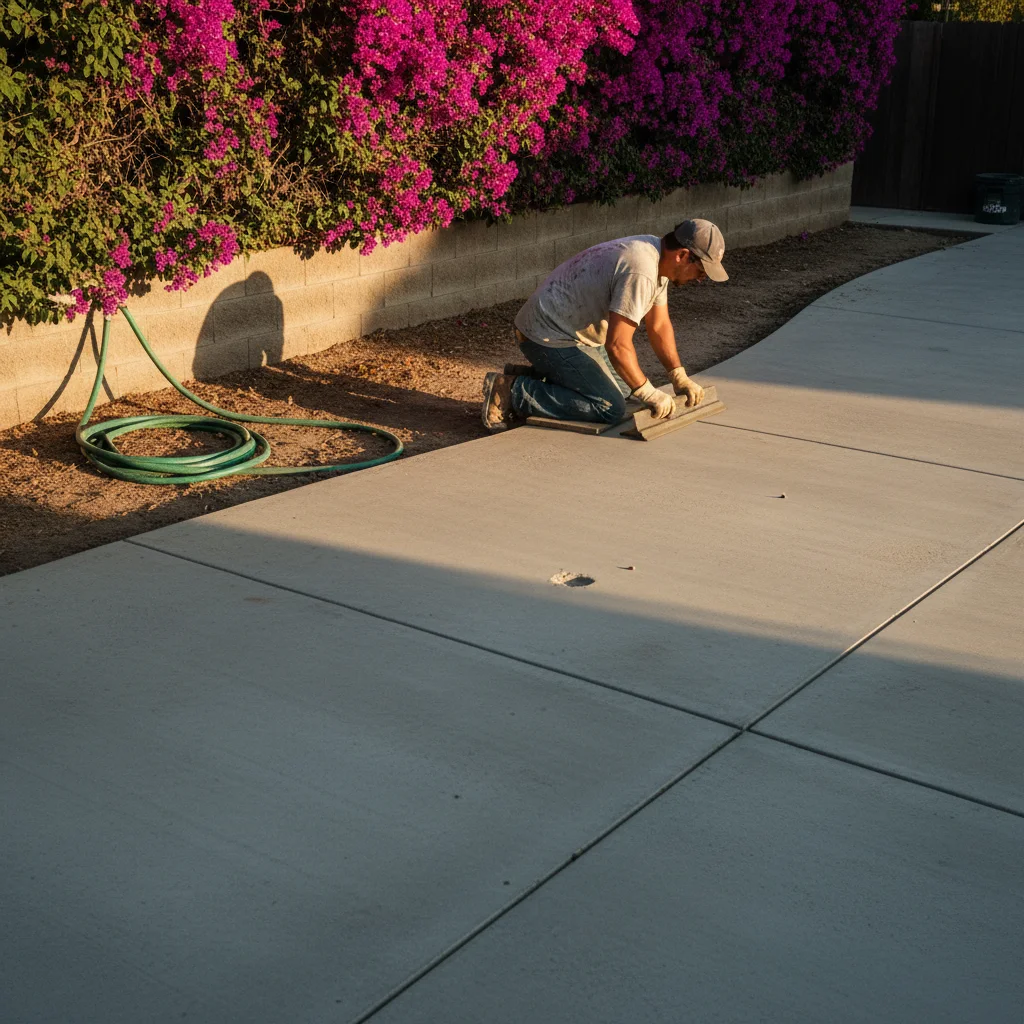
The pervasive salt-laden ocean air and consistent moisture from fog and winter rains in Santa Monica significantly impact the lifespan and maintenance requirements of driveway materials. Understanding these effects is key to selecting a durable and low-maintenance option.
Concrete: While generally robust, unsealed concrete can suffer from efflorescence (white powdery deposits) due to salt and moisture. Regular sealing (every 2-3 years) is crucial to protect against salt intrusion, staining, and surface erosion, extending its lifespan and maintaining its appearance. Without proper sealing, hairline cracks can develop more quickly. Asphalt: Asphalt is particularly vulnerable to Santa Monica's climate. UV radiation from the sun combined with salt air can accelerate oxidation, leading to drying, cracking, and fading. Frequent sealcoating (every 1-3 years) is essential to protect the surface, maintain flexibility, and prevent water penetration, which can undermine the base layer. Pavers (Concrete and Natural Stone): Pavers are highly resilient. The individual units allow for slight movement, reducing cracking from ground shifts. However, the sand in the joints can be washed out by heavy rains or become a breeding ground for weeds if not properly maintained. Regular sweeping, occasional joint sand replenishment, and sealing (especially for concrete pavers) are recommended to prevent efflorescence and maintain color integrity. Natural stone pavers, such as flamed granite, are exceptionally durable against salt and moisture with minimal maintenance.
Proper installation, including a well-prepared base and adequate drainage, is paramount for all materials to mitigate the effects of moisture. For more comprehensive information on hardscaping elements, refer to The Definitive Guide to Hardscaping: Elevating Your Outdoor Living Spaces.
How does driveway design, like permeable pavers, impact home value and local regulations in Santa Monica?
Get 3 driveway contractor bids in 48 hours.
Our editors already screened California driveway contractors. Answer 4 questions; we send 3 written bids inside 48 hours, with the real price for your scope, not their inflated first-call number.
Send my 3 bidsFree. No commission. If a match doesn't fit, we'll send another.
Driveway design, especially the incorporation of permeable pavers, significantly impacts home value in Santa Monica by enhancing aesthetics, improving environmental performance, and aligning with local regulations. These designs are increasingly valued by buyers and often encouraged by city policies.
Enhanced Home Value: Permeable pavers offer a sophisticated, high-end look that can elevate curb appeal more than traditional concrete or asphalt. Their eco-friendly nature appeals to environmentally conscious buyers, a growing segment in Santa Monica, potentially leading to quicker sales and higher offers. Homes with sustainable features often appraise higher. Stormwater Management Compliance: Santa Monica's coastal environment and stringent environmental regulations make effective stormwater management a priority. Permeable pavers allow rainwater to infiltrate the ground, reducing runoff, preventing localized flooding, and minimizing pollutants entering the ocean. This directly addresses the city's drainage and grading requirements, which mandate strategies to handle both winter storm runoff and morning fog condensation. Permit Advantages: While still requiring permits, projects incorporating permeable surfaces may sometimes face a smoother review process or be viewed more favorably by planning departments due to their environmental benefits. They help meet requirements for slope-away detailing and can be part of a broader strategy for managing impervious surfaces.
Investing in a thoughtfully designed driveway, particularly one that integrates permeable solutions, is not just an aesthetic upgrade but a strategic move that aligns with Santa Monica's unique environmental and regulatory landscape, boosting both functionality and property value.
What is the average timeframe for a driveway replacement project in Santa Monica?
A typical driveway replacement project in Santa Monica, from initial design to completion, usually takes between 2 to 6 weeks, though complex projects or those requiring extensive permitting can extend this significantly. This timeframe accounts for various stages, each with its own duration.
- Planning and Design (1-2 weeks): This involves consultations with contractors, material selection, and finalizing the design. For HOA-facing neighborhoods, architectural review board approval can add another 2-4 weeks.
- Permitting (2-12 weeks): This is often the most variable stage. Standard building permits might take 2-4 weeks, but if your property is in the Coastal Zone, the additional environmental review can extend this to 30-90 days. Rent-control and tenant-protection rules in Santa Monica make landlord-initiated exterior work more scrutinized, though this article focuses on homeowner-occupied projects.
- Demolition and Site Preparation (2-5 days): Removing the old driveway, grading the area, and preparing the base for the new material.
- Installation (3-10 days): The actual laying of concrete, asphalt, or pavers. This can vary based on material, weather conditions, and the crew's efficiency.
- Curing/Finishing (3-7 days): Concrete requires curing time before it can bear weight. Pavers may need final joint sand application and sealing.
Working with a local Santa Monica contractor who understands the city's specific permit processes and coastal regulations can help minimize delays.
Are there any eco-friendly or sustainable driveway options particularly valued in Santa Monica?
Yes, Santa Monica homeowners and the city itself highly value eco-friendly and sustainable driveway options, primarily due to environmental concerns and local regulations. Permeable pavers are at the forefront of these choices.
Permeable Pavers: As discussed, these are the gold standard for sustainable driveways in Santa Monica. They reduce stormwater runoff, filter pollutants, and help replenish groundwater, aligning perfectly with the city's environmental goals and drainage requirements. Their aesthetic versatility also makes them a popular choice for modern and traditional homes alike. Recycled Content Materials: Options like asphalt made with recycled asphalt pavement (RAP) or concrete incorporating recycled aggregates are also considered sustainable. While less common for residential driveways, they reduce demand for virgin materials. Resin-Bound or Resin-Bonded Surfaces: These surfaces use natural aggregates bound by a resin, offering a permeable or semi-permeable finish. They provide a smooth, attractive surface and are durable in coastal conditions.
Choosing these options not only benefits the environment but can also enhance your home's marketability and value, appealing to the eco-conscious buyer base prevalent in Santa Monica.
Does a new driveway impact property taxes in Santa Monica?
Yes, a new driveway replacement can potentially impact your property taxes in Santa Monica, as it is considered a home improvement that adds value to your property. In California, property taxes are primarily governed by Proposition 13, which assesses property value at the time of purchase and limits annual increases. However, significant improvements can trigger a reassessment of the added value* of the improvement.
When you replace your driveway, especially with a higher-end material or a significantly expanded footprint, the City of Santa Monica's assessor's office may consider this a new construction or addition. They will then reassess only the value added by the new driveway, not the entire property. This added value will be incorporated into your property's overall assessed value, leading to a modest increase in your annual property tax bill.
The increase is typically proportional to the cost and scope of the improvement. It's always wise to factor this potential, albeit usually minor, tax adjustment into your overall project budget.
What are the common pitfalls or mistakes to avoid when replacing a driveway in Santa Monica?
Replacing a driveway in Santa Monica comes with unique challenges. Avoiding common pitfalls ensures a smoother project and maximizes your ROI.
- Ignoring Permitting Requirements: Failing to secure the necessary Coastal Zone and building permits is a major mistake. This can lead to fines, project delays, or even forced removal and reconstruction. Always start with a thorough understanding of Santa Monica's specific regulations.
- Underestimating Coastal Climate Impact: Choosing materials not suited for salt air, fog, and potential heavy rains will lead to premature deterioration and higher maintenance costs. Opt for marine-grade or highly durable materials and ensure proper drainage is designed from the outset.
- Neglecting Drainage Design: Santa Monica's climate demands robust drainage. A common mistake is not planning for effective water runoff, leading to pooling, erosion, and potential damage to your home's foundation. Permeable solutions or French drains are often critical.
- Hiring Non-Local Contractors: A contractor without specific experience in Santa Monica may not be familiar with local permit nuances, HOA requirements, or the best materials for the coastal environment. Always choose a contractor with a proven track record in the area.
- Skipping HOA Approval: If your property is part of an HOA, proceeding without their architectural review board's approval can result in project halts and costly redesigns. Secure HOA approval before applying for city permits.
- Budgeting Too Tightly: Unexpected issues, especially during demolition or site preparation (e.g., discovering old utility lines or unsuitable soil), can arise. Always allocate a contingency fund (10-15% of the project cost) to cover unforeseen expenses.
By being proactive about these potential issues, Santa Monica homeowners can ensure a successful and value-adding driveway replacement project.
Conclusion
A driveway replacement in Santa Monica is a significant investment that offers substantial returns, enhancing your home's curb appeal, functionality, and overall market value. With an ROI typically between 60% and 85%, and average costs ranging from $12,000 to $45,000+ in 2026, it's a strategic upgrade for any homeowner. By carefully considering Santa Monica's unique coastal climate, navigating local permitting, and choosing durable, aesthetically pleasing materials like permeable pavers or high-quality concrete, you can ensure a project that stands the test of time and significantly boosts your property's appeal. Partner with a local expert to ensure your new driveway is a lasting asset to your Golden Yards home.
FAQ
Q1: How long does a driveway replacement project typically take in Santa Monica?
A driveway replacement in Santa Monica typically takes 2 to 6 weeks from design to completion, though this can extend to several months if extensive Coastal Zone permitting or HOA approvals are required.
Q2: What are the most durable driveway materials for Santa Monica's coastal climate?
Permeable pavers, high-quality sealed concrete, and natural stone (like flamed granite) are among the most durable materials for Santa Monica's coastal climate, offering resistance to salt air, moisture, and heavy use.
Q3: Are there any specific Santa Monica city regulations or HOA rules regarding driveway materials or dimensions?
Yes, Santa Monica has specific regulations including Coastal Zone Permits for visible exterior work, stringent drainage requirements (often favoring permeable surfaces), and building codes for dimensions. HOAs in specific neighborhoods will also have architectural review guidelines for materials and aesthetics.
Q4: Can a new driveway increase my home's selling price in Santa Monica?
Absolutely. A new, well-maintained driveway significantly boosts curb appeal, which can lead to a higher selling price and faster sale times in Santa Monica's competitive real estate market, offering an ROI of 60-85%.
Q5: What is the best way to manage stormwater runoff from a new driveway in Santa Monica?
The best way to manage stormwater runoff in Santa Monica is by incorporating permeable pavers, installing French drains, and ensuring proper grading that slopes away from your home, all designed to comply with local environmental regulations.
Frequently Asked Questions
Q1: How long does a driveway replacement project typically take in Santa Monica?
A driveway replacement in Santa Monica typically takes 2 to 6 weeks from design to completion, though this can extend to several months if extensive Coastal Zone permitting or HOA approvals are required.
Q2: What are the most durable driveway materials for Santa Monica's coastal climate?
Permeable pavers, high-quality sealed concrete, and natural stone (like flamed granite) are among the most durable materials for Santa Monica's coastal climate, offering resistance to salt air, moisture, and heavy use.
Q3: Are there any specific Santa Monica city regulations or HOA rules regarding driveway materials or dimensions?
Yes, Santa Monica has specific regulations including Coastal Zone Permits for visible exterior work, stringent drainage requirements (often favoring permeable surfaces), and building codes for dimensions. HOAs in specific neighborhoods will also have architectural review guidelines for materials and aesthetics.
Q4: Can a new driveway increase my home's selling price in Santa Monica?
Absolutely. A new, well-maintained driveway significantly boosts curb appeal, which can lead to a higher selling price and faster sale times in Santa Monica's competitive real estate market, offering an ROI of 60-85%.
Q5: What is the best way to manage stormwater runoff from a new driveway in Santa Monica?
The best way to manage stormwater runoff in Santa Monica is by incorporating permeable pavers, installing French drains, and ensuring proper grading that slopes away from your home, all designed to comply with local environmental regulations.
Ready to start your driveway project?
Find My ProsFrequently Asked Questions
Q1: How long does a driveway replacement project typically take in Santa Monica?
A driveway replacement in Santa Monica typically takes 2 to 6 weeks from design to completion. This timeline can extend to several months if the project requires extensive Coastal Zone permitting or specific approvals from a homeowners association (HOA). These external reviews are the most common source of significant project delays.
The standard 2 to 6 week estimate for a driveway project in Santa Monica covers all typical phases, including design, demolition of the old surface, preparation, and installation of the new one. This projection is accurate for projects that do not face complex regulatory or administrative hurdles.
However, the timeline can lengthen considerably, sometimes to several months, due to necessary approvals. Properties within the Coastal Zone are subject to additional permitting requirements that can be time consuming. Furthermore, gaining approval from a homeowners association (HOA) can also add substantial waiting periods to the project schedule.
Q2: What are the most durable driveway materials for Santa Monica's coastal climate?
For Santa Monica's coastal climate, the most durable driveway materials are permeable pavers, high-quality sealed concrete, and natural stone like flamed granite. These options offer excellent resistance to the challenges of salt air, moisture, and heavy use, making them ideal for properties near the ocean and ensuring a long-lasting surface.
Choosing a driveway material in Santa Monica requires considering the unique environmental factors. Permeable pavers, properly sealed high-quality concrete, and dense natural stone such as flamed granite are top recommendations because they are specifically suited to withstand the corrosive effects of salt air and persistent moisture. Their inherent strength also allows them to handle the stress of heavy, frequent vehicle traffic without rapid deterioration. These materials provide a lasting solution for the demanding coastal setting.
Q3: Are there any specific Santa Monica city regulations or HOA rules regarding driveway materials or dimensions?
Yes, Santa Monica has specific regulations for driveways. These include requirements for Coastal Zone Permits for visible exterior work, strict drainage rules that often favor permeable surfaces, and building codes governing dimensions. Additionally, homeowners associations in certain neighborhoods will have their own architectural review guidelines for materials and aesthetics.
The city of Santa Monica enforces several key rules. For properties with visible exterior work, a Coastal Zone Permit is often necessary. The city also has stringent drainage requirements, frequently encouraging the use of permeable surfaces to manage water runoff effectively. Standard building codes will dictate the acceptable dimensions for your driveway project.
Beyond municipal codes, HOAs in specific Santa Monica neighborhoods impose their own standards. These organizations typically have architectural review guidelines that specify approved materials, colors, and styles to maintain a consistent community appearance. It is important to check with both the city and your specific HOA before starting work.
Q4: Can a new driveway increase my home's selling price in Santa Monica?
Yes, a new driveway can increase your home's selling price in Santa Monica. A well-maintained driveway significantly boosts curb appeal, which is critical in the city's competitive real estate market. This improvement can lead to a higher selling price and faster sale times, offering a return on investment of 60-85%.
In Santa Monica's competitive real estate market, first impressions are critical. A new, well-maintained driveway makes a strong positive statement, enhancing the property's overall curb appeal. This initial attraction can translate directly into a higher perceived value and encourage quicker offers from potential buyers.
The return on investment for a new driveway, estimated between 60-85%, reflects this direct impact on buyer perception. While not a guarantee, this improvement is a powerful tool for making a home stand out. It suggests the property is well-cared-for, potentially leading to a faster sale and a more favorable final price.
Q5: What is the best way to manage stormwater runoff from a new driveway in Santa Monica?
The best way to manage stormwater runoff from a new driveway in Santa Monica is by using permeable pavers, installing French drains, and ensuring proper grading. These methods help direct water away from your home and ensure the project complies with local environmental regulations, reducing pollution and promoting groundwater recharge.
For a Santa Monica driveway, combining these techniques is most effective. Permeable pavers have joints that allow rainwater to soak into the ground below, reducing surface runoff. French drains, which are gravel-filled trenches containing a perforated pipe, collect and redirect excess water safely. Proper grading is also critical, making certain the driveway slopes away from your home's foundation to prevent water damage. Together, these solutions help homeowners meet local environmental standards for new construction.