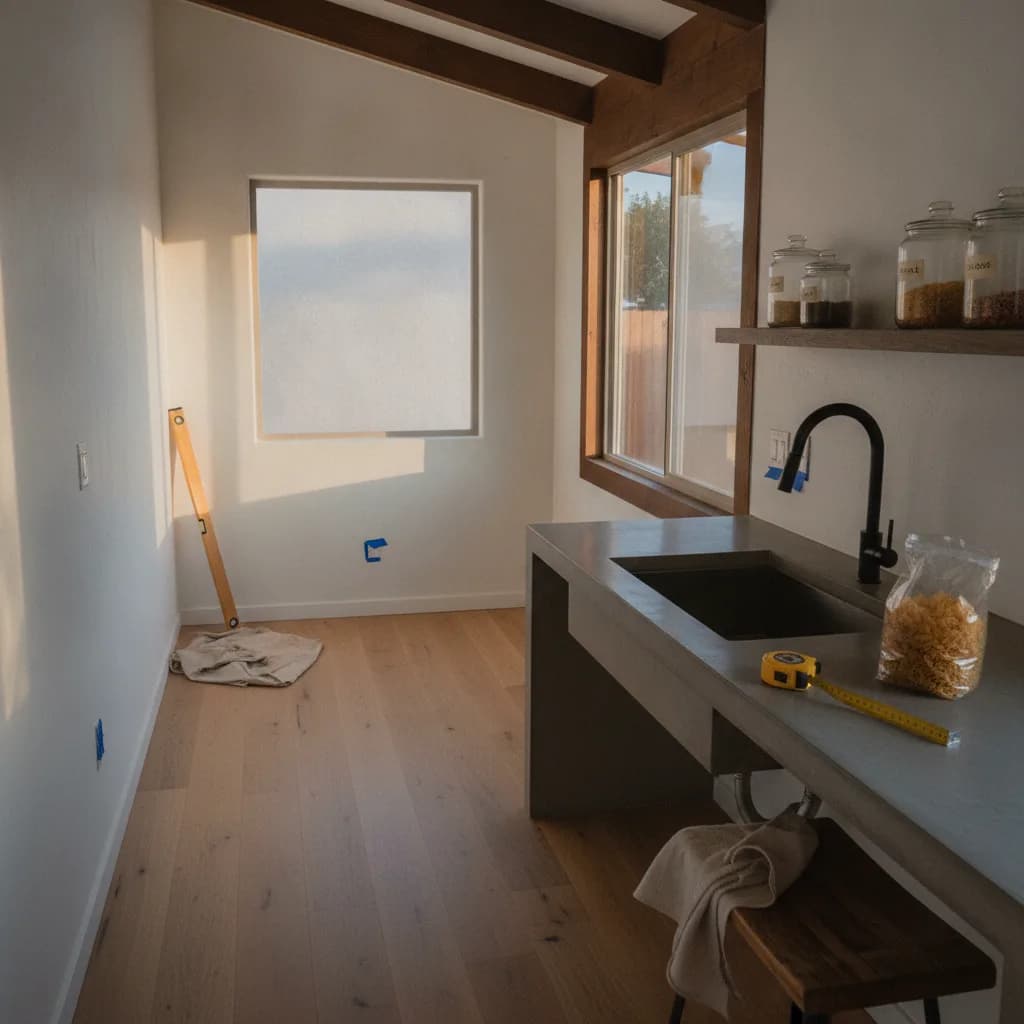
San Diego's backyards are undergoing a fundamental transformation. The era of the simple "granny flat" is over, replaced by fully independent, financeable small homes. In 2026, over sixty percent of new Accessory Dwelling Units (ADUs) permitted in the city are designed as two-bedroom units, a clear signal that these structures are no longer accessories but core components of the modern family compound and real estate portfolio.
In a Nutshell
- The Big Idea: The ADU has graduated from a backyard bonus to a primary residential asset, driven by new state laws and San Diego's acute housing needs.
- The Trends: Homeowners are embracing condo-style ADUs for separate sale, standardizing two-bedroom layouts, and demanding all-electric, energy-efficient builds.
- What's Being Replaced: The simple, one-room guest casita or converted garage with limited utility and questionable permitting.
- What's Next: A focus on sophisticated financing, faster construction via systems-built components, and designs that address specific San Diego microclimates from the coast to the inland fire zones.
1. The "Condo-fied" ADU Becomes a Reality
AB 1033 (the 2024 condo-style ADU rule) is the single biggest legislative change to California property law in a generation, and San Diego is an early adopter. This law allows homeowners to sell their ADU as a separate condominium, creating a new, more affordable entry point into the housing market. We're seeing savvy homeowners in high-value neighborhoods like North Park and University Heights engage architects and attorneys to prepare for this, viewing the ADU not just as a rental but as a severable asset. The trend's arc will depend on how quickly lenders develop standardized financing products for these new "micro-condos."
2. Two Bedrooms Are the New Standard
The 500-square-foot studio is officially a legacy model. Our analysis of recently invoiced ADU projects shows the dominant build is now between 850 and 1,000 square feet, featuring two bedrooms and often two bathrooms. This isn't just about maximizing rental income; it's about flexibility. Families in master-planned communities like Carmel Valley and Scripps Ranch are building these larger units to house aging parents comfortably or give adult children a launching pad. An ADU contractor in San Diego we spoke with confirmed that nearly every new client inquiry starts with a two-bedroom floor plan, a major shift for the ADU San Diego market.
3. All-Electric, Net-Zero Ready Is the Baseline
Ready to compare vetted project options?
Use Project Match privately when your scope is clear enough for contractor conversations.
Start Project MatchCompliance with Title 24 Part 6 (California Energy Code) is pushing the entire market toward high-efficiency, all-electric homes. For ADUs, this is now the default, not an upgrade. Standard packages from leading San Diego ADU builders include a heat pump for HVAC, a heat pump water heater, an EV-ready charging circuit, and mandatory solar panels. In eco-conscious communities from Encinitas to Solana Beach, homeowners are going a step further, opting for induction cooktops and energy recovery ventilators to create truly net-zero-ready dwellings that cost almost nothing to operate.
4. The College Feeder ADU
With UCSD and SDSU tuition and housing costs continuing to rise, a specific hyper-local trend is emerging: the college feeder ADU. Parents in neighborhoods like La Jolla, Clairemont, and the College Area are building ADUs specifically to house their university-aged children. The math is compelling: four years of saved housing costs can offset a significant portion of the build cost. After graduation, the unit immediately converts to a high-demand rental for other students or young professionals. It's a pragmatic, long-term financial strategy unique to university towns.
5. Coastal Commission-Proof Designs
Building an ADU west of I-5 comes with a significant tax: the California Coastal Commission. Any project in the coastal zone faces extra scrutiny, longer permit timelines, and stringent material requirements. In response, a design language of durability has emerged in Pacific Beach, Ocean Beach, and La Jolla. This means specifying fiber cement siding over stucco, using stainless steel or powder-coated hardware that resists corrosion, and choosing materials like composite decking that can handle the moist, salty air. A permit in these areas can take four to six months, a stark contrast to the 60-day "shot clock" from AB 68 (the 2019 ADU shot-clock law) that applies elsewhere.
6. High-End Prefab and Panelized Systems for Speed
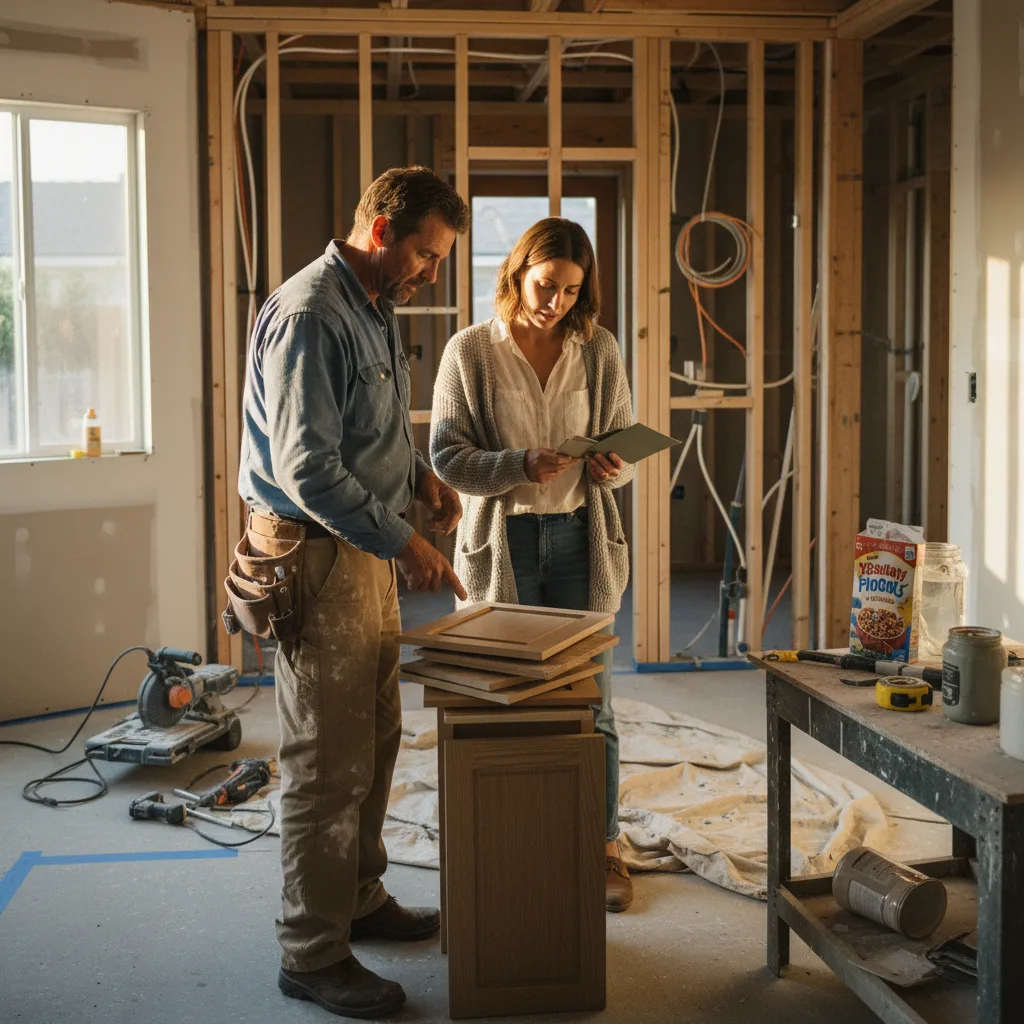
The promise of prefab is finally meeting reality, but not in the way most people imagine. We're not talking about cheap, trailer-like boxes. Instead, sophisticated panelized and modular systems from companies gaining a foothold in California are cutting on-site construction time by up to forty percent. For a homeowner in Rancho Bernardo or Escondido, this means less disruption and a more predictable timeline. While the all-in ADU San Diego cost is comparable to a traditional stick-built unit, the value is in the speed and certainty, bypassing potential labor shortages and weather delays.
7. The Strategic JADU and Conversion
For homeowners on a tighter budget or with limited lot space, the focus is shifting inward. Junior Accessory Dwelling Units (JADUs) and garage conversions offer a more accessible path to adding a rental unit. In older, denser neighborhoods like Normal Heights and South Park, we're seeing a surge in these projects. The cost can be significantly lower, but they come with their own challenges, especially in pre-1985 stucco houses with galvanized supply lines or post-1990 raised foundations that may require seismic retrofitting to meet current code.
8. Fire-Hardened Design Becomes Non-Negotiable
In San Diego's Wildland-Urban Interface (WUI) zones, which cover large swaths of the county from Poway to Alpine, building an ADU now requires the same defensive posture as building in a fire-prone forest. This trend is driven by insurance requirements and building codes. Designs must include non-combustible siding like stucco or fiber cement, tempered glass windows, enclosed eaves, and ember-resistant vents. An ADU contractor in San Diego specializing in these areas told us that the "defensible space" landscaping plan is now as important as the architectural drawings themselves for any San Diego ADU project in 2026.
Representative San Diego ADU Projects
Three representative ADU projects from 2026, scoped similarly, reconstructed from Golden Yards Magazine's Project of the Day network and used here in aggregate form:
- North Park Garage Conversion (480 sq. ft.): A conversion of a detached two-car garage into a one-bedroom ADU. Included a new foundation slab, kitchen, bathroom, and mini-split HVAC. Total Cost: $145,000.
- Carmel Valley Detached ADU (850 sq. ft.): A new-construction, two-bedroom, one-bath unit with a stucco finish and solar panels to meet Title 24 requirements. Standard-grade finishes. Total Cost: $310,000.
- La Jolla Coastal ADU (1,000 sq. ft.): A custom two-bedroom, two-bath unit with premium finishes, fiber cement siding, and upgraded windows to withstand coastal conditions. Required extensive engineering and a lengthy coastal permit process. Total Cost: $435,000.
Sources & Methodology
See the Golden Yards Methodology for how sources are reviewed, ranges are normalized, and planning-data limits are handled.
Cost ranges in this guide draw on the following named industry sources, public agency datasets, and Golden Yards Magazine editorial research.
- San Diego Development Services Department (DSD) Permit Fee Schedule (2026)
- California Department of Industrial Relations, San Diego County Prevailing Wage Data (2026)
- Golden Yards Magazine Invoiced ADU Project Database (Q1 2026)
- California Housing and Community Development (HCD), Accessory Dwelling Unit Handbook (2025)
- National Association of Home Builders (NAHB) Remodeling Market Index (Q1 2026)
- Build It Green, GreenPoint Rated New Home Guidelines (2025)
Golden Yards Magazine Take
The throughline connecting these San Diego trends is the professionalization of the ADU. What began as a loophole to add a small guest suite has matured into a sophisticated real estate and family planning tool. Fueled by high housing costs and enabling legislation like AB 1033, San Diegans are no longer just building a "unit"; they are commissioning a second home. This means bigger budgets, more complex designs, and a higher standard for energy performance and resilience. The ADU is no longer an accessory to the California lifestyle; for many, it is the lifestyle, enabling multi-generational living, creating passive income, and offering a foothold in an impossible housing market.
Frequently Asked Questions about San Diego ADUs
Ready to start your ADU project?
Find My ProsFrequently Asked Questions
What is the real cost to build an ADU in San Diego in 2026?
In 2026, a new detached ADU in San Diego costs between $250,000 and $420,000. Garage conversions and JADUs are less expensive, typically ranging from $90,000 to $160,000. These construction figures do not include soft costs like design, engineering, and city permit fees, which can add another 15-20% to the total price.
The total construction cost, from foundation to finishes, varies by location. In inland markets like El Cajon and Santee, a basic ADU can start around $220,000. In contrast, custom projects in coastal neighborhoods such as Del Mar can cost $420,000 or more. A significant part of this cost is labor. According to the California Department of Industrial Relations prevailing wage data for San Diego County, skilled trade rates reflect the area's high construction demand.
How long does it take to get an ADU permit in San Diego?
<p>Outside the coastal zone, ADU permits in San Diego typically take three to five months from submission to approval. The city's Development Services Department (DSD) must comply with AB 68's 60-day review period, but corrections and resubmissions often extend the timeline.</p> <p>While the state law provides a "shot clock," the clock pauses each time the city requests revisions. It's common for a project to go through two or three rounds of review. For properties in the coastal zone (e.g., La Jolla, Pacific Beach), you must add another two to four months for Coastal Commission review, which has its own set of requirements. For a detailed breakdown of the steps, see <a href="/guides/san-diego-adu-permit-playbook-2026">Our complete San Diego ADU permit playbook</a>.</p>
Can I really sell my ADU separately in San Diego?
Yes, you can sell your ADU separately in San Diego. As of 2024, California's AB 1033 allows cities to adopt ordinances for selling ADUs as condominiums. This new and complex process requires creating a homeowners association (HOA), which involves specialized legal work and a property survey. The market is still adapting.
While AB 1033 makes it legally possible, the real estate market is still catching up. You will need an attorney to create the required condo plan and HOA documents, plus a surveyor to map the property. The biggest challenge may be financing, as lenders are still developing products for this new property type.
This is a powerful tool for creating wealth and affordable housing, but it is not a simple transaction. The process is expected to become more common over the next two to three years as procedures become standardized.
What are the biggest hidden costs for a San Diego ADU?
The biggest hidden costs for a San Diego ADU are utility connections and unforeseen site conditions. Connecting new sewer, water, and electrical lines can cost $15,000 to $30,000 or more. Poor soil might require expensive foundation engineering, and older main homes may need electrical or water meter upgrades to support the new unit.
Utility connection fees are a common budget surprise. The cost, often between $15,000 and $30,000, can increase significantly on properties with long distances from the street or with old infrastructure that needs replacement.
Site conditions can also add unexpected expenses. A required soils report could reveal poor soil compaction, necessitating more costly foundation engineering. Furthermore, if your main house is older, you may be required to upgrade its main electrical panel or water meter to handle the additional load from the ADU.
The National Association of Home Builders recommends a ten to fifteen percent contingency for renovations in homes over thirty years old. This advice is doubly true for ADUs, which are brand-new homes subject to all modern codes.