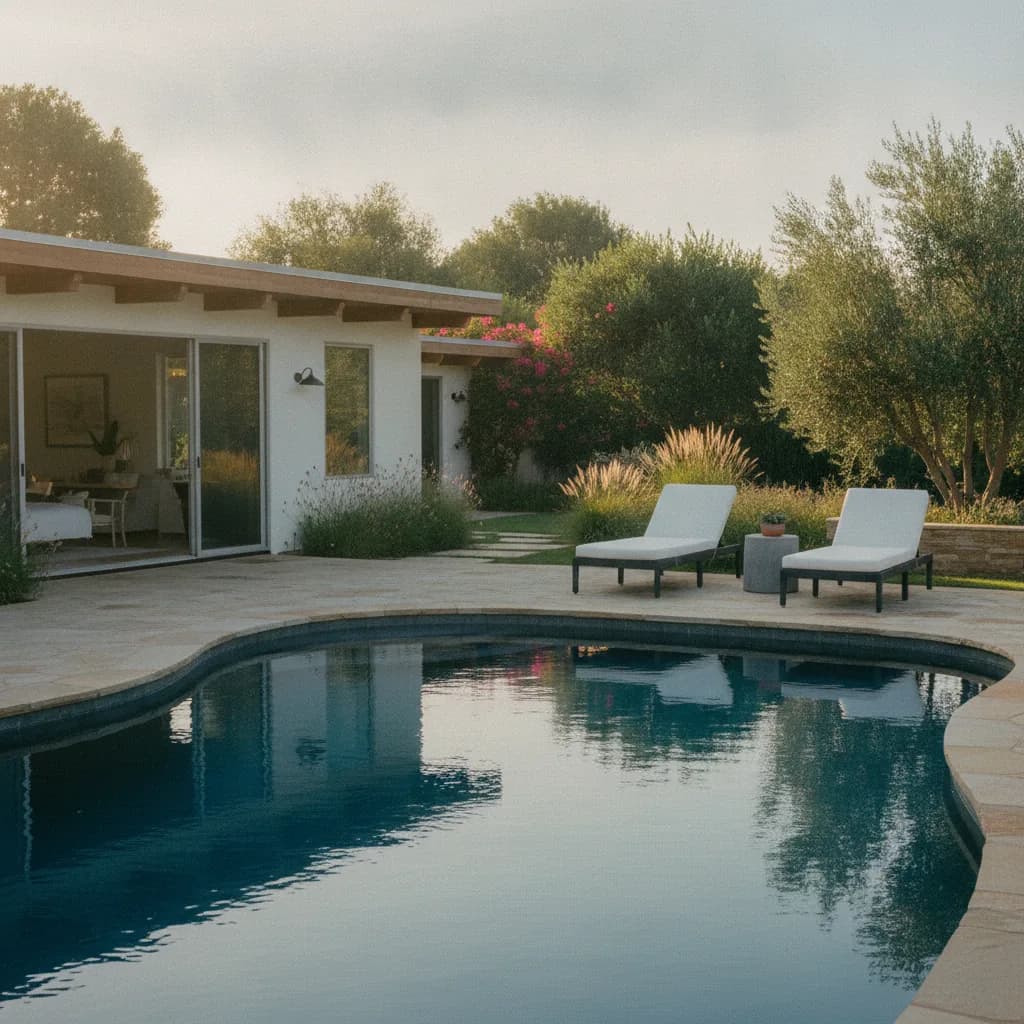
An inground pool is more than a backyard feature; it's a lifestyle choice, especially in a place with a climate as inviting as Santa Monica. Homeowners here are increasingly looking beyond the simple kidney bean shape, seeking designs that integrate with compact lots, hillside views, and an outdoor-centric way of life. The conversation has shifted from just having a pool to creating a cohesive outdoor environment. This means thinking about how the pool functions for lounging, for exercise, or as an architectural focal point. The right design complements your home's style and fits the practical constraints of your property.
Choosing the right inground pool in Santa Monica involves balancing aesthetic desires with the realities of site preparation, construction, and long-term maintenance. From space-saving plunge pools that feel like private spas to dramatic infinity edges that merge with the Pacific horizon, the options are tailored to specific goals. Understanding the trade-offs between these popular designs is the first step toward creating a backyard you'll enjoy for years to come. This guide explores the concepts homeowners are discussing now, helping you compare the full scope of work before you begin.
In a Nutshell
- Santa Monica homeowners are considering pool designs that maximize smaller yards and capitalize on views, such as plunge pools and infinity edge pools.
- The total project scope extends far beyond the pool shell itself. Budgets must account for excavation, decking, safety fencing, drainage, and utility connections.
- Material choices for the pool's interior finish, such as plaster, pebble, or tile, affect the initial cost, aesthetic, and long-term maintenance requirements.
- Understanding ongoing operational costs, including water, energy for pumps, and chemical treatments, is as important as the initial installation price.
- Comparing quotes from any inground pool contractor in Santa Monica requires a detailed breakdown of what is included for site access, cleanup, and warranties.
- Always verify permit requirements, safety codes, and building regulations with the City of Santa Monica before finalizing any design or contract.
1. The Plunge Pool: Big Impact for Compact Yards
For many properties in Santa Monica where a large backyard is a luxury, the plunge pool has become a popular and practical solution. These are small, deep pools designed for lounging, cooling off, and relaxation rather than for swimming laps. Think of it as a hybrid between a large spa and a small pool. Their compact footprint, often under 200 square feet, allows them to be tucked into courtyards, side yards, or small patio areas where a traditional pool would be impossible to install. The appeal lies in their efficiency; they offer the refreshing experience of water without demanding a significant portion of the property.
The primary trade-off is functionality. A plunge pool is not for the aspiring competitive swimmer. It's for social gatherings and personal unwinding. However, their smaller size often means lower costs for water, heating, and chemicals. Installation can also be simpler, potentially requiring less excavation and materials. Homeowners can enhance them with features like powerful jets for hydrotherapy, integrated benches for seating, and dramatic lighting to turn them into a stunning nighttime water feature. The decision for a homeowner is whether the goal is active swimming or creating a resort-like focal point for relaxation. For many with limited space, the plunge pool provides the perfect balance, delivering the ambiance and cooling benefits of a pool in a manageable size.
2. The Infinity Edge: Capturing Coastal Views
An infinity edge pool, also known as a negative or vanishing edge, creates a stunning visual effect where water flows over one or more edges, appearing to merge with the horizon. For Santa Monica properties perched on hillsides or with views of the Pacific Ocean, this design is the ultimate statement piece. It transforms the pool from a simple recreational feature into a dynamic architectural element that interacts with its surroundings. The design works by having water spill over a weir into a hidden catch basin below, from which it is pumped back into the pool. This constant circulation creates the smooth, mirror-like surface that makes these pools so captivating.
The trade-off for this breathtaking aesthetic is significant complexity and cost. An infinity edge requires precise structural engineering to ensure the edge is perfectly level and can support the weight of the water and the structure itself. The catch basin, secondary pump, and specialized plumbing add considerable expense to both construction and ongoing energy use. They are also more sensitive to water levels; evaporation can quickly disrupt the visual effect, requiring a vigilant auto-fill system. The decision here is a matter of priority and budget. If the property's view is its primary asset, an infinity edge can amplify it in a way no other design can. However, homeowners must be prepared for a more involved construction process and higher long-term maintenance and operational costs compared to a standard pool.
3. The Baja Shelf Pool: A Resort-Style Lounging Experience
Ready to compare vetted project options?
Use Project Match privately when your scope is clear enough for contractor conversations.
Start Project MatchAlso known as a sun shelf or tanning ledge, the Baja shelf is a large, shallow area, typically between six and eighteen inches deep, built into one end of the pool. It's designed to accommodate in-water lounge chairs, creating a resort-like atmosphere perfect for sunbathing, relaxing with a book, or providing a safe play area for small children. This feature transforms the pool's entry point from a simple set of steps into a functional living space. In Santa Monica's sunny climate, it extends the use of the pool beyond just swimming, offering a comfortable way to enjoy the water and the sun simultaneously.
The main consideration is the allocation of space. The shelf itself takes up a significant portion of the pool's surface area, which can reduce the open water available for swimming and games. In a smaller pool, a large Baja shelf might leave little room for anything else. This means homeowners must decide on the primary use of their pool. Is it for active swimming and recreation, or is it for lounging and relaxation? The cost is also a factor; constructing the reinforced, shallow shelf adds to the complexity and material requirements of the pool shell. It also requires careful thought about surface materials, as a smooth, comfortable, and non-slip finish is essential. For those who envision their pool as the centerpiece of social gatherings and leisurely afternoons, the Baja shelf is an addition that delivers immense value in comfort and style.
4. The Lap Pool: Fitness-Focused and Space-Efficient
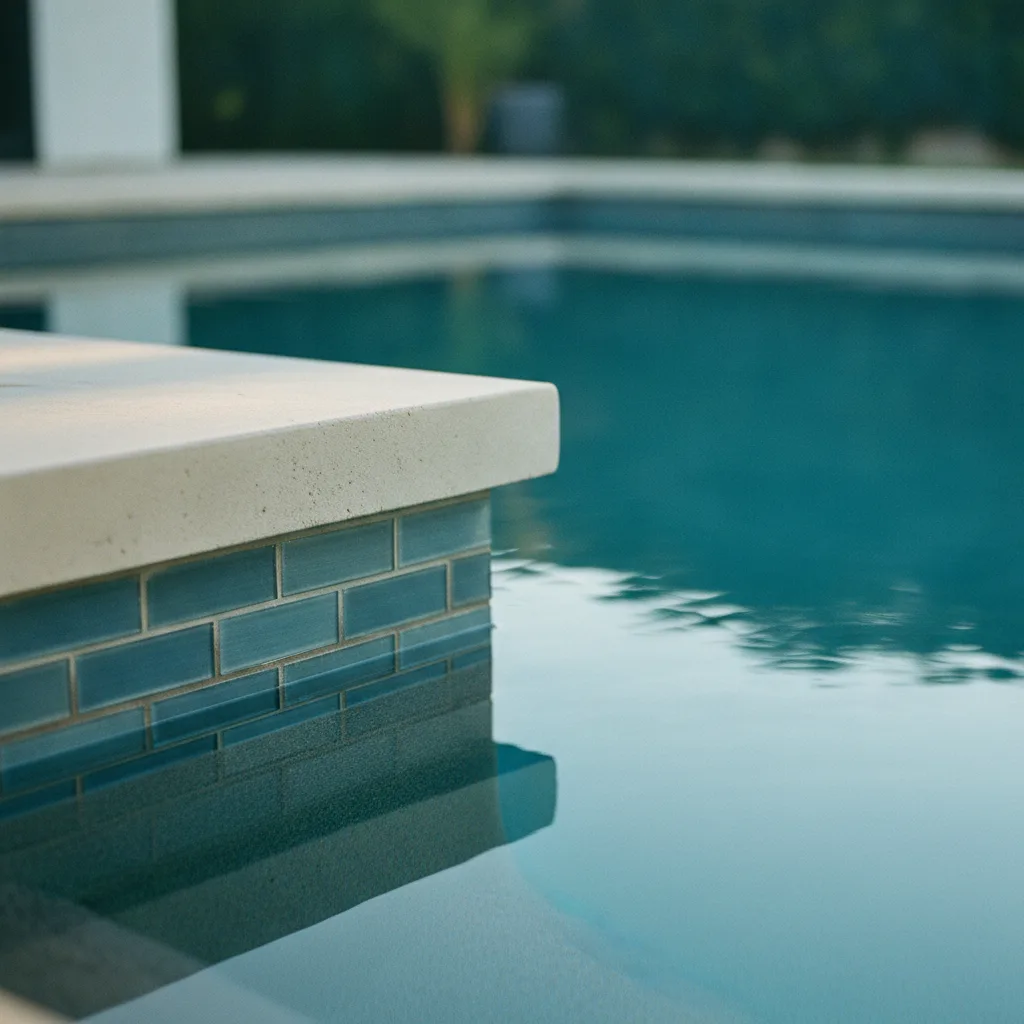
For the homeowner focused on health and fitness, the lap pool offers a practical and efficient solution. These pools are characterized by their long, narrow, and rectangular shape, typically at least 40 feet long, designed specifically for swimming continuous laps. Their slender profile makes them an excellent choice for the long, narrow lots that are common in some Santa Monica neighborhoods. By prioritizing length over width, a lap pool can often be installed in a side yard or a section of the property that couldn't accommodate a wider, more traditionally shaped pool. This makes it possible to have a highly functional swimming experience without sacrificing the entire backyard.
The trade-off is its specialized nature. A lap pool is not ideal for large pool parties or casual wading and games due to its narrow dimensions. It is a purpose-built piece of exercise equipment. While it can still be a beautiful architectural feature, its social and recreational flexibility is limited. The decision for a homeowner is to weigh the importance of daily exercise against the desire for a more general-purpose recreational pool. Some designs attempt to bridge this gap by incorporating a wider entry area with steps or a small shelf at one end, but the primary function remains linear swimming. For those committed to a swimming regimen, a lap pool is an invaluable home amenity that supports a healthy lifestyle, making excellent use of limited space.
5. The Classic Rectilinear: Timeless Form and Function
The simple, clean lines of a rectangular or rectilinear pool have a timeless appeal that complements a wide range of architectural styles, from modern to traditional. This classic shape is often the most practical and cost-effective design for an inground pool. Its straight lines make it straightforward to form and construct, which can translate to lower labor costs compared to complex freeform shapes. A rectangular layout is also highly functional, providing uninterrupted space for swimming laps, playing games like volleyball, and easily accommodating an automatic pool cover, which is highly effective at reducing evaporation and keeping debris out.
While some may view the shape as less imaginative than a freeform or infinity edge pool, its simplicity is its strength. The trade-off is a less organic look, which might not blend as seamlessly into a lush, naturalistic landscape design. However, this can be easily mitigated with sophisticated choices in coping, decking, and surrounding plantings. The homeowner's decision revolves around aesthetic preference and practicality. Do you prefer a formal, architectural look that maximizes usable swim space, or a more naturalistic, lagoon-style appearance? For many, the efficiency, functionality, and classic elegance of a rectilinear design make it the most logical and enduring choice for a santa monica inground pool, providing a versatile backdrop for both fitness and family fun.
6. The Natural Pool: An Eco-Conscious Oasis
A natural swimming pool (NSP) uses a self-contained ecosystem of plants and gravel to filter and clean the water, completely eliminating the need for chlorine or other chemicals. The pool is divided into two zones: a swimming area and a regeneration zone, where aquatic plants act as a living filter. Water is circulated between the two, creating a clean, clear, and healthy swimming environment that feels like taking a dip in a pristine lake. For environmentally conscious homeowners in Santa Monica, this offers a sustainable alternative to conventional pools, reducing chemical usage and creating a beautiful, biodiverse water garden.
The trade-offs are significant. Natural pools require a much larger footprint than traditional pools because the regeneration zone is often equal in size to the swimming area. They also require specialized expertise to design and build correctly; not every inground pool contractor in Santa Monica has experience with these biological systems. The initial cost can be higher due to the need for the secondary zone, extensive planting, and specialized plumbing. While you save on chemical costs, they are not maintenance-free. They require regular gardening-like tasks, such as pruning plants and managing the ecosystem. The water may also have a slight tint from the natural processes, unlike the sterile blue of a chlorinated pool. The choice is for homeowners who are deeply committed to a chemical-free lifestyle and value the unique aesthetic of a living water feature over a conventional pool.
Breaking Down Your Santa Monica Inground Pool Project Scope
When you receive a quote for an "inground pool santa monica cost," it's critical to understand that the price for the pool shell is just one piece of a much larger puzzle. A complete backyard transformation involves many distinct stages, and a low initial bid might omit crucial components. To compare offers accurately, think of the project in separate parts: the pool itself, the surrounding hardscape, and the essential site work needed to make it all happen.
First is the core pool installation. This includes the design and engineering plans, excavation, the structural shell (whether concrete, fiberglass, or vinyl), interior finish, tile, and the basic plumbing and equipment package (pump, filter, and sanitizer). But the work doesn't stop there. The second major component is the surrounding environment. This includes the coping (the edge around the pool), the deck or patio, any required safety fencing and gates (a legal requirement in California), and landscaping. These finishes can easily equal or exceed the cost of the pool shell itself.
Finally, and most often overlooked, is the enabling work. This covers everything needed to prepare the site and connect services. Key items include demolition and removal of any existing patios or landscaping, ensuring adequate access for heavy machinery (which can be a major challenge on tight Santa Monica lots), grading and drainage solutions to handle water runoff, and running electrical and gas lines to the equipment pad. Permitting fees, soil testing, and engineering reports also fall into this category. When you ask for a quote from an inground pool contractor, request a detailed breakdown that specifies what is included for each of these three areas: the pool, the hardscape, and the site preparation. This is the only way to understand the true total cost of the project.
Hypothetical Planning Budgets: Understanding Inground Pool Costs
It is impossible to provide a universal price for an inground pool, as costs depend entirely on size, materials, site conditions, and the scope of surrounding work. The following figures are hypothetical planning examples, not documented projects or local market averages, intended to illustrate how costs are structured.
Hypothetical Scenario: A 15-foot by 30-foot Rectangular Concrete Pool
Let's assume a basic project on a flat, easily accessible lot. The total cost can be broken down into several key areas.
- Pool Shell & Core Equipment: $65,000 - $95,000
- Excavation & Haul-Away: Assuming 120 cubic yards of dirt at a hypothetical rate of $150/yard = $18,000. This can vary dramatically with soil type and disposal fees.
- Structural Shell (Shotcrete/Gunite): Assuming 90 linear feet with standard rebar and concrete at a hypothetical rate of $500/foot = $45,000.
- Basic Equipment Package: Pump, filter, basic sanitizer, and plumbing. Hypothetical allowance = $8,000.
- Interior Finish (Standard Plaster): Assuming 750 sq. ft. of surface area at a hypothetical $12/sq. ft. = $9,000.
- Waterline Tile: Assuming 90 linear feet at a hypothetical $60/foot installed = $5,400.
- Site Work & Finishes: $30,000 - $60,000+
- Decking/Pation: Assuming 600 sq. ft. of concrete pavers at a hypothetical $35/sq. ft. installed = $21,000. Natural stone or wood could be much more.
- Safety Fencing: Assuming 100 linear feet of standard mesh fencing at a hypothetical $50/foot = $5,000. Glass or custom iron would be more.
- Electrical & Gas Service: Trenching and connection for pump and potential heater. Hypothetical allowance = $5,000 - $10,000, depending on distance from the main panel.
- Other Potential Costs:
- Permits & Engineering: Hypothetical allowance = $3,000 - $7,000.
- Landscaping & Irrigation Repair: Highly variable, but assume a minimum budget of $5,000.
- Optional Upgrades: A pool heater ($4,000 - $8,000), automatic cover ($10,000 - $20,000), or water features ($3,000+) would be additional.
- Contingency Fund: It's wise to set aside an optional 10-15% of the total budget for unforeseen issues, like hitting difficult soil during excavation. On a hypothetical $120,000 project, this would be $12,000 - $18,000.
This hypothetical breakdown shows how a project with a base pool cost around $85,000 could quickly approach $130,000 or more once decking, fencing, and utilities are included. Always use a detailed, line-item budget to understand the full financial scope of your inground pool santa monica 2026 project.
Ongoing Care and Climate Considerations in Santa Monica
The initial installation cost is a one-time expense, but an inground pool requires an ongoing commitment of time and money for maintenance. In Santa Monica, the local climate presents a few specific factors to consider. The year-round mild weather means a longer swimming season, which also means the pool systems will be running for more months of the year, leading to higher annual energy consumption compared to regions with cold winters. California's Title 20 energy efficiency standards mandate the use of variable-speed pumps on new pools, which is a significant benefit. These pumps can be run at lower speeds for longer periods, consuming far less electricity than older single-speed models.
Water conservation is another key issue. The coastal climate brings marine layer and less intense sun than inland areas, but evaporation is still a major source of water loss. A pool cover is the single most effective tool for combating this. It can reduce evaporation by up to 95%, which not only saves a tremendous amount of water but also reduces chemical loss and helps retain heat, lowering potential heating costs., the salty air, while pleasant, can be corrosive to metal components. When selecting ladders, railings, and equipment, choosing marine-grade stainless steel or corrosion-resistant materials can prevent premature rust and degradation.
Finally, you'll need to decide on a sanitation system. Traditional chlorine is effective and familiar, while a saltwater chlorine generator (often called a 'saltwater pool') uses dissolved salt to produce its own chlorine, resulting in softer-feeling water that can be less irritating to skin and eyes. While saltwater systems have a higher upfront cost for the generator cell, they eliminate the need to buy and store liquid or tablet chlorine. The cell will, however, need to be replaced every three to seven years. Factoring these long-term operational costs for energy, water, and chemicals is a vital part of planning for a santa monica inground pool.
Questions to Ask Your Inground Pool Contractor in Santa Monica
Selecting the right inground pool contractor is as important as choosing the right design. A thorough vetting process can prevent misunderstandings and costly surprises down the road. Before signing any contract, prepare a list of specific questions that go beyond the total price. A reputable professional will be able to provide clear and detailed answers.
Start with questions about their business and experience. Ask for their California contractor's license number (which you should verify online), proof of liability insurance, and workers' compensation coverage. Inquire how long they have been in business and ask for references from recent projects specifically in the Santa Monica area. This can give you insight into their familiarity with local permitting processes and building codes.
Next, focus on the specifics of your project quote. These questions help clarify the total scope of work:
- Does this quote include all design, engineering, and permit application fees?
- How do you handle site access? Is the cost of any necessary demolition, fence removal, or surface protection included?
- What is your plan for unexpected site conditions, such as hitting rock or groundwater during excavation? How are those costs handled?
- Is the cost of hauling away all excavated soil and construction debris included in the price?
- Does the electrical work quoted cover the connection from the main house panel to the pool equipment pad?
- What specific models of pump, filter, and other equipment are included? What are their warranties?
- What warranties do you provide on the pool shell itself and on your workmanship?
- Does the project timeline account for potential delays from inspections or weather?
Getting detailed, written answers to these questions will allow you to compare bids on an equal basis and choose a contractor who is transparent and thorough. The goal is to find a partner who will manage the entire process professionally, ensuring your inground pool project is a success from start to finish. You can find more ideas in our guide to planning your backyard pool.
Sources & Methodology
See the Golden Yards Methodology for how sources are reviewed, ranges are normalized, and planning-data limits are handled.
The links below are resources for checking project requirements. Their inclusion does not establish that scenario prices or timelines were observed in those sources. Hypothetical examples are planning assumptions, not documented projects.
- City of Santa Monica - Building & Safety
Golden Yards Magazine Take
The allure of an inground pool in Santa Monica is undeniable, offering a private escape and a beautiful centerpiece for outdoor living. The designs homeowners are considering reflect a sophisticated understanding of how a pool should function within the context of the property, whether it's maximizing a small lot with a plunge pool or framing an ocean view with an infinity edge. However, the path from concept to completion is complex. The most important step any homeowner can take is to look beyond the initial price of the pool itself and analyze the total project scope. The cost of the shell is often less than half of the final budget once decking, fencing, landscaping, drainage, and utility work are factored in. Before you commit, insist on a detailed, line-item proposal from every potential contractor. Compare what each bid includes for site access, cleanup, warranties, and equipment. A slightly higher, all-inclusive bid from a thorough contractor is often a much better value than a low price that omits critical work. Finally, always perform your own due diligence by verifying contractor licenses and confirming all local permit and safety requirements directly with the City of Santa Monica.
Ready to start your pool project?
Find My ProsFrequently Asked Questions
How much does an inground pool cost in Santa Monica?
The cost of an inground pool in Santa Monica depends entirely on the project's full scope, not just the pool itself. A basic installation might start in the high tens of thousands, but complex designs with extensive decking, landscaping, and site work can easily exceed $150,000 or more.
Hypothetical planning examples, not documented local prices, show how costs accumulate. A basic concrete pool shell might be estimated at $70,000, but adding $30,000 for a patio, $5,000 for fencing, and $10,000 for electrical work shows how the total investment grows. Site access, soil conditions, and material choices are major variables. Always get a detailed, line-item quote that separates the pool from the surrounding work.
How long does it take to build an inground pool?
Building an inground pool typically takes between eight and twelve weeks from the start of excavation to the final plastering. However, this timeline does not include the pre-construction phase, which can add several months for design, engineering, and securing permits from the city of Santa Monica.
After breaking ground, the process follows several stages: excavation (a few days), plumbing and steel reinforcement (about a week), concrete shell application (a day to spray, weeks to cure), and finally tile, coping, and decking (one to three weeks). Weather delays and inspection schedules can extend this timeline. It is best to plan for a four to six month process from your first meeting with a contractor to your first swim.
Do I need a permit for an inground pool in Santa Monica?
Yes, a building permit is absolutely required to install a new inground swimming pool in Santa Monica. The process involves submitting detailed engineering plans for the pool structure, plumbing, and electrical systems to the city's building department for review and approval before any work can begin.
The plans must demonstrate compliance with all current California building codes, including specific requirements for safety features like fencing, gate alarms, and anti-entrapment drain covers. The permit process ensures the pool is built safely and to proper structural standards. Always confirm the latest requirements with the City of Santa Monica as part of your project planning.
What is the best pool size for a small Santa Monica backyard?
For small Santa Monica backyards, the best pool size is one that balances recreation with preserving space for decking and landscaping. Plunge pools, often around 10x15 feet, or narrow lap pools are excellent choices. These designs provide the benefits of a water feature without overwhelming the entire yard.
A 'spool,' or a large spa-pool hybrid, is another popular option. It can be heated like a spa but is large enough for several people to cool off in. The key is to consider how you will use the pool. If lounging is the priority, a smaller pool with a generous Baja shelf might be more functional than a larger, deeper pool with minimal surrounding patio space.
Are saltwater pools better in a coastal climate?
A saltwater pool, which uses a generator to create chlorine from salt, can be a great option in any climate, including coastal Santa Monica. The softer-feeling water is often preferred by swimmers. However, the term 'saltwater' doesn't mean it's immune to the salty marine air.
The primary trade-off is that the salt in the pool water itself can be corrosive to some natural stone coping, metal fasteners, and patio furniture, similar to the effect of ocean air. Choosing appropriate, corrosion-resistant materials for these elements is crucial. The decision between a traditional chlorine pool and a saltwater system often comes down to personal preference for water feel and maintenance routine rather than a specific climate advantage.