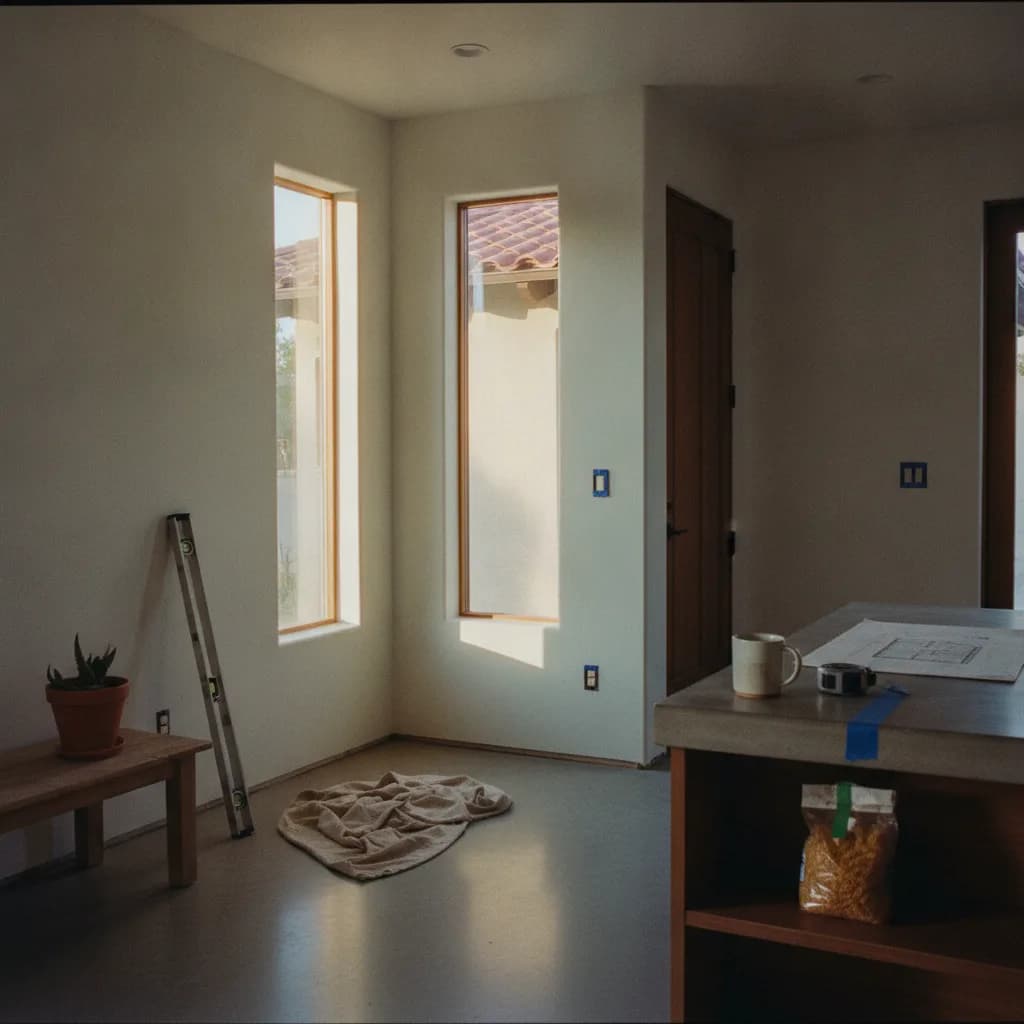
The era of the simple granny flat is over in the Inland Empire. Riverside homeowners are now commissioning full-fledged, architecturally significant secondary homes in their backyards, driving a twenty percent increase in permits for detached ADUs over 600 square feet since 2023. These aren't just rental units; they are carefully designed spaces for family, work, and long-term flexibility, replacing the utilitarian garage conversions of the past decade.
In a Nutshell
- The Big Picture: Accessory Dwelling Units (ADUs) in Riverside are evolving from basic income properties into highly customized, design-forward homes that extend the main house's living space and aesthetic.
- The Three Big Trends: The detached "casita" as a true second home, the rise of a "Desert Modern" style that embraces the local climate, and the purpose-built multi-generational suite with universal design features.
- What's Being Replaced: The quick-and-dirty garage conversion with builder-grade finishes and awkward layouts.
- What's Next: The formal separation of ADUs as sellable assets under AB 1033 (2024 condo-style ADU rule), which will push design and build quality even higher.
Trend 1: The Detached "Casita" as a True Second Home
Homeowners are prioritizing privacy and function by building fully detached ADUs, or "casitas," that operate as independent homes. This trend is most prominent on the larger lots found in neighborhoods like Orangecrest and Woodcrest, where space allows for a clear separation between the main residence and the ADU. This approach maximizes rental income potential and provides genuine privacy for multi-generational living arrangements. The future of this trend involves two-bedroom layouts becoming the new standard, accommodating small families or co-living tenants.
Trend 2: The Garage Conversion That Doesn't Feel Like One
When a detached ADU isn't feasible, the focus has shifted to high-end garage conversions that completely transform the original space. This means going far beyond drywall and carpet. We're seeing structural changes like vaulting ceilings into the rafters, adding strategically placed skylights to flood the space with light, and pouring new, polished concrete floors with radiant heating. Homeowners in historic areas like the Wood Streets are using this strategy to add density while preserving the main home's footprint and character. An experienced ADU contractor in Riverside is essential for these projects, which often require new foundations and seismic upgrades to pre-1985 structures. This trend will likely continue to incorporate more sophisticated soundproofing and insulation to truly separate the unit from the main house.
Trend 3: The "Desert Modern" Aesthetic with Low-Water Landscaping
Ready to compare vetted project options?
Use Project Match privately when your scope is clear enough for contractor conversations.
Start Project MatchRiverside's climate is finally getting its own signature ADU style: Desert Modern. This aesthetic combines clean lines, simple cubic forms, smooth stucco finishes, and accents of natural wood and dark metal. The key is the integration with the outdoors through large glass doors and a landscape plan that rejects lawns in favor of decomposed granite, boulders, and drought-tolerant plants like agave and palo verde trees. This design is particularly popular in Canyon Crest and the newer developments in Mission Grove. It's a direct response to California's water realities and the requirements of the MWELO (Model Water Efficient Landscape Ordinance). We expect this style to become the dominant architectural language for new ADUs across the Inland Empire.
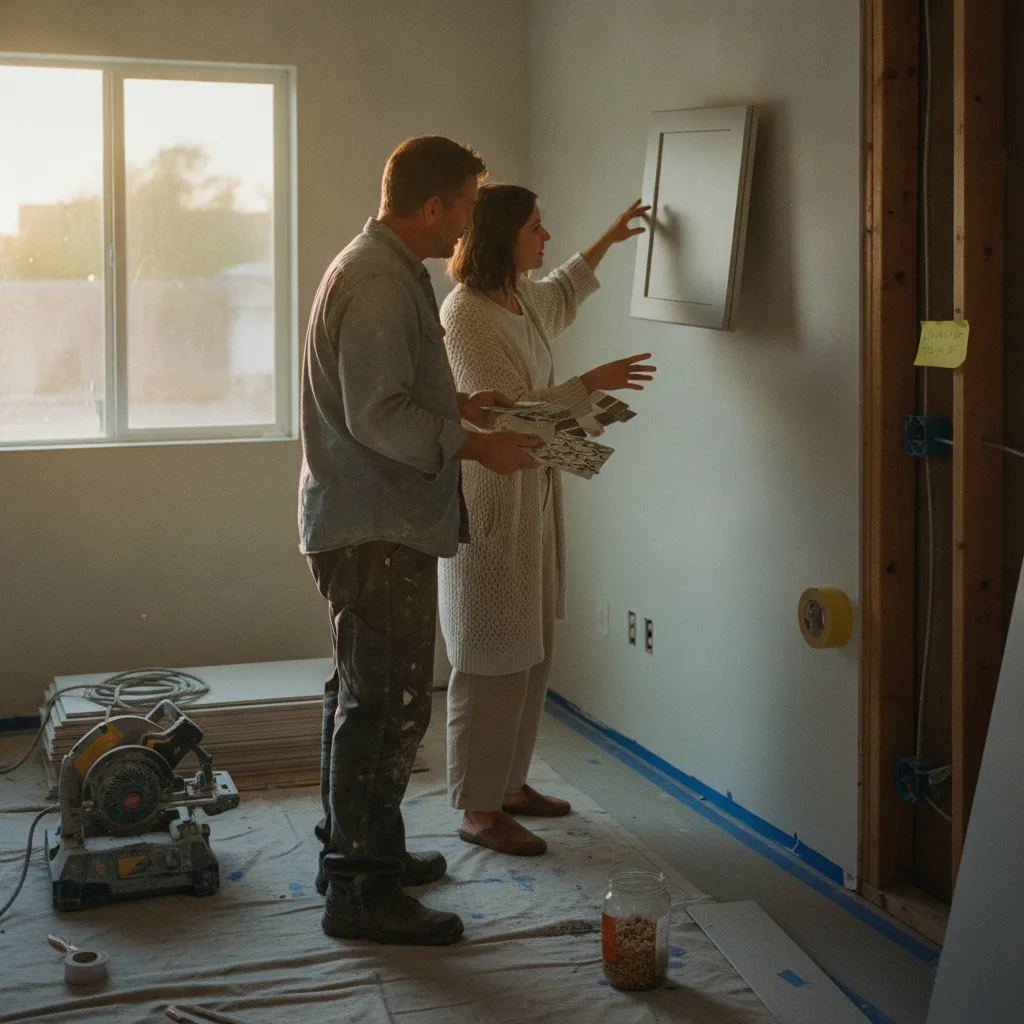
Trend 4: The Multi-Generational Suite with Universal Design
More families are building ADUs specifically for aging parents or adult children, and they're building them for the long haul. These units are designed with accessibility at their core, incorporating universal design principles from the start. This includes no-step entries, wider doorways (thirty-six inches), curb-less showers, and reinforced walls for future grab bar installation. We're seeing these thoughtful designs appear in established family neighborhoods from Arlington to La Sierra. According to AARP housing data, multi-generational households are the fastest-growing household type in Southern California. As a result, ADUs with these features will command higher resale values, as they offer a solution to a widespread family need.
Trend 5: The "Work-From-Home" Hybrid with Separate Entrances
The remote work revolution has created a new purpose for the ADU: the ultimate home office. Homeowners are requesting hybrid designs that combine a small living space with a dedicated, professional-grade workspace. Key features include a separate client-facing entrance, enhanced soundproofing between the living and work areas, and solid, hardwired internet connections. This isn't just about adding a desk in the corner; it's a fundamental design choice that cleanly separates professional life from personal life. This trend is gaining traction among professionals in neighborhoods with a high concentration of remote workers. The next iteration will see pre-approved ADU plans, like those offered by the city, incorporating a dedicated office module as a standard option.
Trend 6: The Pool House ADU for Indoor-Outdoor Living
For properties with pools, the ADU is merging with the concept of a luxury pool house. These structures are all about erasing the line between inside and out. The defining feature is the use of large-format sliding or bi-fold glass doors, like those from LaCantina or Western Window Systems, that open an entire wall to the patio and pool area. Finishes are chosen for durability and style, such as tile flooring that runs continuously from the interior living space to the outdoor deck, an integrated outdoor kitchen, and a full bathroom accessible from the pool. Homeowners in areas like Victoria Woods are using this model to create resort-style backyards perfect for entertaining and hosting guests. This trend will continue to grow as ADUs are seen less as housing and more as a central component of a larger outdoor living project.
Understanding the All-In Cost for an ADU in Riverside
A typical all-in ADU project in Riverside costs between $195,000 and $380,000 in 2026, with the final price depending heavily on size, site conditions, and finish quality. The cost for a straightforward garage conversion can start lower, often in the $140,000 to $220,000 range, while a large, two-bedroom detached new build will occupy the higher end of that spectrum. Costs are driven by skilled labor rates, which are detailed in the California Department of Industrial Relations prevailing wage data for Riverside County. Remember to budget for soft costs (around 15-20%) which include design fees, engineering, and city permit fees, which are separate from the construction contract.
Three representative projects from 2026, scoped similarly, reconstructed from Golden Yards Magazine's Project of the Day network and used here in aggregate form:
- Wood Streets Garage Conversion (450 sq. ft.): $165,000. This project involved a new foundation under the existing structure, vaulted ceilings, and mid-grade finishes to create a one-bedroom unit.
- Orangecrest Detached ADU (750 sq. ft.): $280,000. A one-bedroom new build on a flat lot with standard utility connections. Included significant Title 24 energy compliance costs for high-performance windows and insulation.
- Canyon Crest Custom ADU (1,000 sq. ft.): $375,000. A two-bedroom detached unit with higher-end finishes, bi-fold doors, and extensive site work to manage a slight slope and connect to utilities 80 feet from the main house.
Navigating Riverside's ADU Permit Process
Securing permits for an ADU in Riverside is a multi-step process that typically takes two to four months. While state law AB 68 (the 2019 ADU shot-clock law) mandates a 60-day review period, this clock can pause if your plans require corrections. The process starts with submitting architectural and structural plans to the Riverside Planning Division. Key hurdles often involve demonstrating compliance with Title 24 Part 6 (California Energy Code) and, depending on your location, addressing requirements for wildfire defensible space. Many lots in Riverside have expansive clay soil, which may trigger a requirement for a soils report and specialized foundation engineering, adding time and cost. The National Association of Home Builders recommends a ten to fifteen percent contingency on renovations in homes over thirty years old to cover surprises found during construction. For a full breakdown of the city's requirements and timeline, see our comprehensive guide: The Riverside ADU Permit Playbook 2026.
Sources & Methodology
See the Golden Yards Methodology for how sources are reviewed, ranges are normalized, and planning-data limits are handled.
Cost ranges in this guide draw on the following named industry sources, public agency datasets, and Golden Yards Magazine editorial research.
- City of Riverside Planning Division, ADU Ordinance & Pre-Approved Plans (2026)
- California Department of Industrial Relations, Riverside County Prevailing Wage Data (2026)
- The National Association of Home Builders (NAHB), Cost of Construction Survey (2025)
- Inland Empire Association of Realtors, Housing Market Report (Q4 2025)
- California Building Standards Commission, Title 24 Part 6 Summary (2022 Energy Code)
Golden Yards Magazine Take
The ADU trends we're seeing in Riverside are a direct reflection of a larger California story. Faced with high housing costs and a desire for more flexible living arrangements, homeowners are exercising their property rights to create solutions in their own backyards. This is not just about adding a rental unit; it's a move toward self-sufficiency and resilience. The shift to climate-appropriate design like Desert Modern, the focus on multi-generational living, and the investment in high-quality, permanent structures show a deep commitment to place. Riverside homeowners are building for the long term, creating small, efficient, and beautiful homes that address the real needs of their families and community in a way that large-scale development often cannot.
Frequently Asked Questions
How much does an ADU cost in Riverside in 2026?
A new ADU in Riverside typically costs between $195,000 and $380,000. This range covers everything from a basic studio to a custom two-bedroom unit. Garage conversions are generally less expensive, falling in the $140,000 to $220,000 range. The final cost depends on size, site conditions, and the quality of materials and finishes.
This all-in cost includes both "hard costs" (labor and materials) and "soft costs" (design, engineering, and permit fees). Site conditions can significantly impact the budget. A flat, easily accessible lot will be much cheaper to build on than a sloped lot or one that requires extensive trenching to connect to water, sewer, and power lines. Always get multiple quotes from qualified local builders to understand the specific costs for your property.
How long does it take to build an ADU in Riverside?
The entire process to build an ADU in Riverside, from initial design to final inspection, typically takes eight to twelve months. This timeline can be broken into three main phases: design and engineering (2-3 months), permitting (2-4 months), and construction (4-6 months). Unexpected issues can extend this timeline.
While state law gives the city 60 days to review a permit application, this clock can stop if revisions are needed. Construction itself is also variable. A simple garage conversion on a flat lot might take ten weeks if nothing surprises you, but a new build could take fourteen to sixteen weeks if the soil compaction comes back failing or there are supply chain delays for specific materials like custom windows or doors. Patience and a good contractor are key.
Can I sell my ADU separately in Riverside?
Yes, as of 2024, it is legally possible to sell an ADU separately from the main house in Riverside. This is thanks to a state law, AB 1033 (2024 condo-style ADU rule), which allows homeowners to convert their property into a two-unit condominium and sell the ADU to a separate owner.
However, the process is complex and requires the city's participation. You would need to hire a surveyor to create a condominium map, establish a homeowners association (HOA) to manage shared property like the yard or driveway, and get approval from the City of Riverside. Because the law is new, cities are still developing their specific procedures, so it's important to consult with a real estate attorney and the city's planning department before starting.
What are the biggest challenges for building an ADU in Riverside?
The biggest challenges for an ADU project in Riverside are managing unforeseen site work costs, navigating the city's plan check process, and ensuring energy code compliance. Hidden costs often arise from connecting utilities over long distances or dealing with expansive clay soil, which may require a more expensive engineered foundation.
While the permit process is streamlined, plans must be detailed and accurate to avoid delays from correction requests. Specifically, proving compliance with Title 24 energy standards requires careful planning around insulation, window efficiency, and HVAC systems. Finally, in high fire hazard severity zones, you will need to meet strict defensible space and ignition-resistant construction standards, adding another layer of complexity. Hiring an experienced `ADU contractor riverside` who understands these local nuances is the best way to mitigate these challenges.
Ready to start your ADU project?
Find My ProsFrequently Asked Questions
How much does an ADU cost in Riverside in 2026?
<p>A new ADU in Riverside typically costs between $195,000 and $380,000. This range covers everything from a basic studio to a custom two-bedroom unit. Garage conversions are generally less expensive, falling in the $140,000 to $220,000 range. The final cost depends on size, site conditions, and the quality of materials and finishes.</p> <p>This all-in cost includes both "hard costs" (labor and materials) and "soft costs" (design, engineering, and permit fees). Site conditions can significantly impact the budget. A flat, easily accessible lot will be much cheaper to build on than a sloped lot or one that requires extensive trenching to connect to water, sewer, and power lines. Always get multiple quotes from qualified local builders to understand the specific costs for your property.</p>
How long does it take to build an ADU in Riverside?
<p>The entire process to build an ADU in Riverside, from initial design to final inspection, typically takes eight to twelve months. This timeline can be broken into three main phases: design and engineering (2-3 months), permitting (2-4 months), and construction (4-6 months). Unexpected issues can extend this timeline.</p> <p>While state law gives the city 60 days to review a permit application, this clock can stop if revisions are needed. Construction itself is also variable. A simple garage conversion on a flat lot might take ten weeks if nothing surprises you, but a new build could take fourteen to sixteen weeks if the soil compaction comes back failing or there are supply chain delays for specific materials like custom windows or doors. Patience and a good contractor are key.</p>
Can I sell my ADU separately in Riverside?
<p>Yes, as of 2024, it is legally possible to sell an ADU separately from the main house in Riverside. This is thanks to a state law, AB 1033 (2024 condo-style ADU rule), which allows homeowners to convert their property into a two-unit condominium and sell the ADU to a separate owner.</p> <p>However, the process is complex and requires the city's participation. You would need to hire a surveyor to create a condominium map, establish a homeowners association (HOA) to manage shared property like the yard or driveway, and get approval from the City of Riverside. Because the law is new, cities are still developing their specific procedures, so it's important to consult with a real estate attorney and the city's planning department before starting.</p>
What are the biggest challenges for building an ADU in Riverside?
<p>The biggest challenges for an ADU project in Riverside are managing unforeseen site work costs, navigating the city's plan check process, and ensuring energy code compliance. Hidden costs often arise from connecting utilities over long distances or dealing with expansive clay soil, which may require a more expensive engineered foundation.</p> <p>While the permit process is streamlined, plans must be detailed and accurate to avoid delays from correction requests. Specifically, proving compliance with Title 24 energy standards requires careful planning around insulation, window efficiency, and HVAC systems. Finally, in high fire hazard severity zones, you will need to meet strict defensible space and ignition-resistant construction standards, adding another layer of complexity. Hiring an experienced `ADU contractor riverside` who understands these local nuances is the best way to mitigate these challenges.</p>