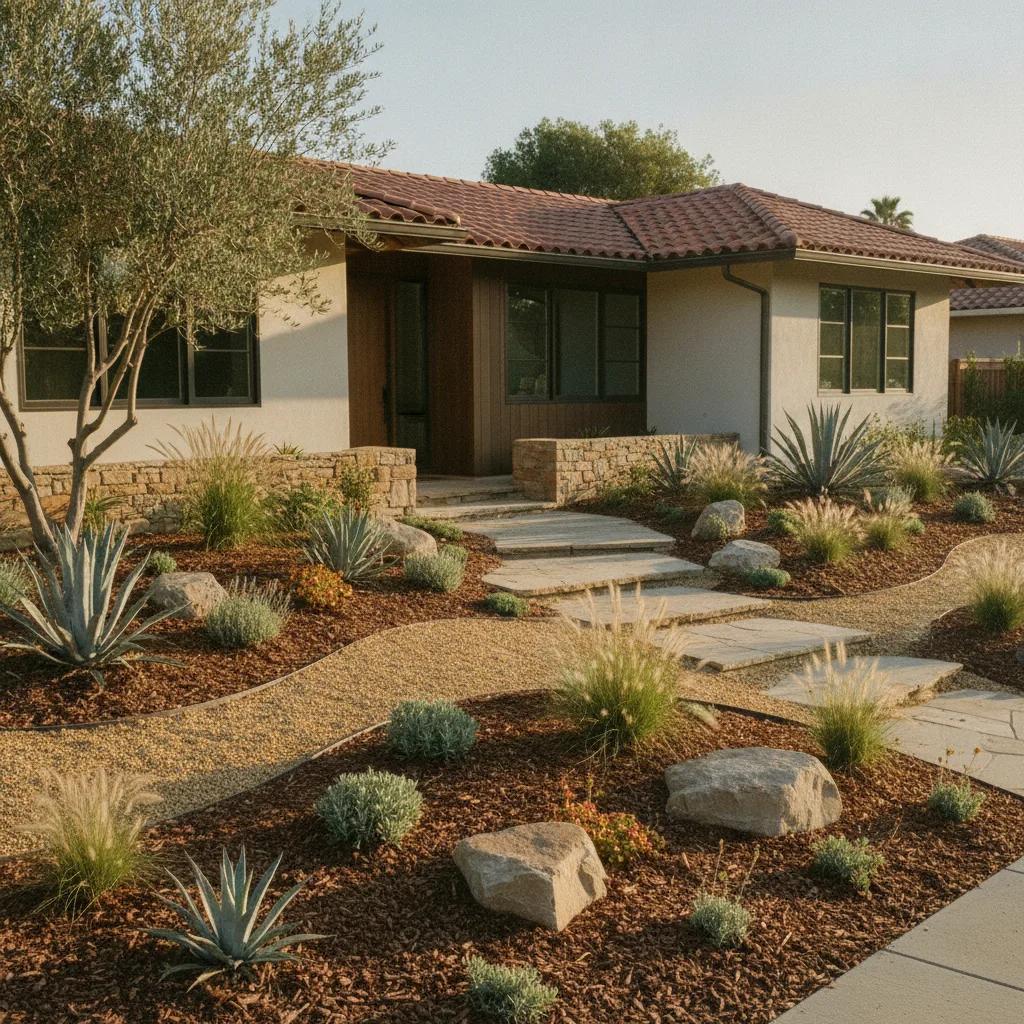
A lush, green lawn can be the centerpiece of a California backyard, providing a soft surface for play and a classic aesthetic. However, achieving that instant green carpet with sod comes with a range of costs and considerations, especially in a state where water is a precious resource. The total sod installation cost depends on much more than the price of the grass itself. It involves site preparation, labor, and sometimes significant soil correction to ensure the new turf takes root and thrives. Understanding these components is the first step toward a realistic budget.
This cost guide separates the project into its core parts: the sod material, the preparatory work, and the long-term care. We will explore hypothetical planning scenarios to illustrate how scope changes affect the budget. While we discuss costs, remember that a beautiful lawn is also a long-term commitment to watering and maintenance. For a broader overview of backyard projects, see our complete guide to landscaping, which can help you compare a new lawn with other outdoor living designs.
In a Nutshell
This guide provides a framework for planning a sod installation project. The following points outline the scope, assumptions, and key questions for the hypothetical scenarios we explore. Remember, this is a planning exercise, not a substitute for a detailed quote from a local professional who has seen your property.
- Scenario Scope: Installation of 1,000 square feet of new sod on a residential property.
- Explicit Assumptions: The project area is flat, easily accessible for workers and equipment, and has generally workable soil that requires only minor amendments. We assume no major demolition of existing structures is needed.
- Excluded Work: These scenarios do not include the cost of major earthmoving or grading, installing new drainage systems (like French drains), installing or overhauling an in-ground sprinkler system, or removing significant obstacles like concrete patios or large tree roots.
- Biggest Question to Resolve: Beyond the initial installation cost, what is the true condition of your soil, and how much preparation will it need for the sod to establish a healthy root system? Poor soil is a leading cause of new lawn failure and can add significant hidden costs if not addressed upfront.
Hypothetical Sod Installation Cost Scenarios
To understand how project scope affects your budget, let’s compare three hypothetical scenarios for a 1,000-square-foot lawn. These examples use assumed rates for planning purposes only and are not based on documented projects. Your actual costs will vary based on your location in California, your choice of contractor, and the specific conditions of your site.
1. Basic Scenario: Material Purchase and Minimal Prep
- Scope: This assumes you are doing most of the labor yourself or are hiring a crew for installation only. The ground is level and ready for sod with only light raking and a starter fertilizer application.
- Hypothetical Cost Breakdown:
- Sod Material (1,000 sq ft @ $0.70/sq ft, an assumed mid-range material rate): $700
- Delivery Fee (assumed): $150
- Starter Fertilizer & Roller Rental (assumed): $100
- Hypothetical Total: $950 - Exclusions: This budget does not cover soil testing, removal of old lawn, tilling, adding new topsoil or compost, or professional labor for installation.
2. Mid-Range Scenario: Professional Installation with Standard Prep
- Scope: A landscaping contractor handles the project, which includes removing an existing dead lawn, tilling the soil to a depth of several inches, adding a basic layer of compost, and installing the new sod.
- Hypothetical Cost Breakdown:
- Assumed All-Inclusive Rate (1,000 sq ft @ $6.00/sq ft): $6,000
- This single rate hypothetically includes materials, delivery, labor for removal, light grading, soil amendment, installation, and cleanup. - Exclusions: Does not include installing a new irrigation system, complex drainage solutions, or importing large quantities of specialized soil.
3. Expanded Scenario: Comprehensive Installation with Soil Replacement and Irrigation
- Scope: For a yard with poor, compacted clay soil and inadequate watering. This project includes scraping away several inches of the old soil and lawn, importing and spreading a significant volume of high-quality topsoil and compost blend, fine-grading the area for optimal drainage, installing the sod, and adjusting sprinkler heads for proper coverage.
- Hypothetical Cost Breakdown:
- Assumed All-Inclusive Rate (1,000 sq ft @ $11.00/sq ft): $11,000
- This comprehensive rate hypothetically covers all labor and materials for extensive site work, soil replacement, and sod installation. - Exclusions: Major irrigation system replacement or new installation would be an additional line item, potentially adding several thousand dollars.
Site Factors That Influence Your Sod Installation Quote
A written quote from a contractor will reflect the unique challenges and requirements of your property. Two homes with identical lawn sizes can receive vastly different quotes because of what lies underneath and around the project area. When a landscaper walks your property, they are assessing these key factors that directly impact the labor, equipment, and material costs.
Access to the Site
How will crews and materials get to your backyard? A wide-open path from the street allows for wheelbarrows and small machinery, speeding up the work. In contrast, properties with narrow side yards, flights of stairs, or only access through the house require manual labor for every pallet of sod and yard of soil. This significantly increases labor hours and, therefore, the total sod installation cost.
Demolition and Removal
The project area must be cleared before any new work can begin. Removing a sparse, dead lawn is relatively simple. Removing a healthy but unwanted lawn, thick weeds, an old concrete patio, pavers, or extensive tree roots is a much more intensive and costly process. Debris disposal fees are another component of this work; the more material that needs to be hauled away, the higher the cost.
Soil Condition and Grading
This is often the most significant variable. California’s soils range from sandy loam to heavy clay. Clay soil, common in many areas, is dense, drains poorly, and can suffocate grass roots. Amending it properly requires tilling deeply and mixing in large amounts of organic compost. If your yard is compacted from foot traffic or construction, it will need similar treatment., the land must be graded to slope gently away from your home’s foundation to prevent water issues. Creating this slope or correcting low spots where water pools adds to the labor bill.
Existing Utilities and Irrigation
Your yard contains a network of hidden lines. Sprinkler systems, low-voltage lighting wires, gas lines, and drainage pipes must all be located and flagged before any digging begins. Tilling can easily damage shallow sprinkler lines, leading to costly repairs. A professional crew will know to account for this, but it’s a critical part of the pre-work assessment. If you plan to install a new sprinkler system, it must be done after grading but before the sod is laid, adding another layer of coordination and cost.
Comparing Hypothetical Project Examples
Ready to compare vetted project options?
Use Project Match privately when your scope is clear enough for contractor conversations.
Start Project MatchLet's look closer at the arithmetic behind our three hypothetical scenarios. These planning examples show how different levels of work create a wide cost range for the same 1,000-square-foot area. These numbers are for illustration only and do not represent a documented project or a market rate.
Example 1: Basic Material-Focused Project
In this scenario, the primary cost is the sod itself. The assumption is that the homeowner is undertaking a significant portion of the labor. Using a sourced material range of $0.35 to $0.85 per square foot, we can create a simple budget.
- Calculation: 1,000 sq ft x $0.70/sq ft (assumed mid-range sod type) = $700
- Added Costs: A pallet of sod is heavy and requires a delivery truck with a forklift, so a delivery fee is standard. We’ve assumed a $150 fee. Renting a lawn roller for a day to ensure good root-to-soil contact and buying a bag of starter fertilizer might add another $100.
- Total: $700 (Sod) + $150 (Delivery) + $100 (Supplies) = $950. This is a material-centric budget that relies almost entirely on your own labor for preparation and installation.
Example 2: Mid-Range Professional Installation
Here, we use a hypothetical all-in-one rate that a contractor might provide for a standard job. This rate bundles materials, labor, and overhead. A typical landscaping project can range from $4.50 to $12 per square foot, according to Angi, depending on complexity. We’ll assume a rate within this range.
- Calculation: 1,000 sq ft x $6.00/sq ft (assumed installed rate) = $6,000
- What this rate hypothetically includes:
- Labor to remove old grass with a sod cutter.
- Labor to till the existing soil.
- A modest amount of compost (e.g., one to two cubic yards) and labor to spread it.
- All sod materials and delivery.
- Labor to lay the sod, cut it to fit, and roll it.
- Disposal of the old lawn.
This represents a common project scope where the existing soil is fundamentally healthy and just needs basic amendment.
Example 3: Expanded Scope for Poor Conditions
This scenario reflects a problem-solving approach for a yard with significant issues. The higher cost is directly tied to a massive increase in labor and materials needed to create a healthy foundation for the new lawn.
- Calculation: 1,000 sq ft x $11.00/sq ft (assumed installed rate for complex work) = $11,000
- What this higher rate hypothetically includes:
- More intensive demolition work.
- Labor and equipment to scrape and remove several inches of poor native soil.
- Cost of new material: several cubic yards of a nutrient-rich topsoil/compost blend.
- Labor to import, spread, and grade the new soil base.
- All elements of the mid-range installation (sod, delivery, labor, rolling, cleanup).
This demonstrates how fixing an underlying problem (bad soil) can be the most expensive part of the entire project.
What a Comprehensive Sod Installation Quote Includes
A detailed, professional quote is a roadmap for your project. It should clearly itemize what you are paying for, leaving no room for assumptions. When you review a bid, look for these specific components. If any are missing, ask the contractor to clarify whether they are included or if they would be an additional charge. A transparent quote protects both you and the contractor.
- Site Preparation: This is the most critical labor component. It should specify the depth of tilling, the method of old lawn removal (sod cutter, herbicide), and the extent of grading to ensure proper drainage.
- Soil Amendments: The quote should list the type and quantity of materials being added to your soil. This could include compost, topsoil, sand, or other conditioners. Vague terms like “soil improvement” are a red flag; ask for specifics in cubic yards or bags.
- Materials: The bid must state the exact type of sod (e.g., Fescue, St. Augustine, Bermuda) and the total square footage to be installed. It should also include other materials like starter fertilizer.
- Labor: Labor can be quoted as a flat fee for the entire project or as an hourly rate. For a flat fee, ensure it covers all the tasks listed in the scope of work, from demolition to final cleanup.
- Delivery and Equipment: This line item covers the cost of transporting the sod, soil, and any necessary equipment (like tillers or sod cutters) to your home.
- Disposal and Cleanup: Removing the old lawn and any excavated soil generates a lot of waste. The quote should specify that all project-related debris will be hauled away and disposed of legally.
- Irrigation Adjustments: While a full system replacement is a separate project, a good sod installation quote often includes labor to raise, lower, or replace sprinkler heads to ensure the new, slightly higher lawn is watered evenly.
- Permits: Sod installation itself rarely requires a permit. However, if your project involves significant grading, retaining walls, or extensive work in a public right-of-way, a permit might be necessary. The contractor should clarify who is responsible for securing and paying for any required permits.
Planning for a Project Reserve
When budgeting for any home improvement project, it is wise to include a reserve. This is not a fee the contractor charges but rather an amount you set aside in your own budget to cover unforeseen issues or desired scope changes. A reserve provides flexibility and peace of mind. For a sod installation, this fund could be used if the crew discovers unexpected problems once they start digging.
Common surprises include buried construction debris, large rocks, or a layer of extremely compacted soil that requires more extensive tilling or excavation than was visible from the surface. You might also decide to make an upgrade during the project, such as adding a new landscape border or improving a walkway adjacent to the new lawn. The decision to hold a reserve and its amount is a personal one based on your project's complexity and your risk tolerance.
As a hypothetical planning assumption, you might choose to set aside 10% to 15% of the quoted project cost. For a hypothetical $6,000 mid-range installation, a 10% reserve would be $600. This is an optional budgeting strategy, not an industry rule or a required fee. Discussing potential issues with your contractor beforehand can help you anticipate what kinds of surprises might arise, allowing you to make a more informed decision about your reserve amount.
Contractor Quote Checklist for Sod Installation
Asking detailed questions before you sign a contract is the best way to ensure you and your contractor share the same expectations. Use this checklist during your conversations with potential landscapers to compare their services on an equal basis and clarify the complete scope of the sod installation cost.
- Is the removal and disposal of my existing lawn and any weeds included in this price?
- What specific steps will you take to prepare the soil before laying the sod?
- What is the planned tilling depth?
- What type and quantity of soil amendments (e.g., compost, topsoil) are included?
- Which variety of sod do you recommend for my yard's sun exposure and foot traffic, and why?
- Does the quote include all material costs, delivery fees, and sales tax?
- How will you grade the area to ensure water drains away from my house?
- Is an application of starter fertilizer included in the installation process?
- What is your policy on cleaning up the site, including any affected sidewalks or driveways, upon completion?
- Does this quote include adjusting my existing sprinkler heads for the new lawn height?
- What are your initial watering and mowing instructions for the first few weeks?
- What is your warranty or guarantee on the sod itself and on the installation labor?
- Can you provide proof of your California contractor's license and general liability insurance?
- What are some common unforeseen issues that could potentially add to the final cost?
How to Compare Bids and Finalize Your Plan
Receiving multiple quotes is standard practice, but the lowest price is not always the best value. A low bid may reflect a contractor who plans to cut corners on the most critical step: soil preparation. An attractive lawn installed on poorly prepared soil will struggle to survive, costing you more in the long run for water, fertilizer, and eventual replacement.
To make an informed decision, create a simple spreadsheet to compare the bids side-by-side. List the key scope items from the checklist above, such as lawn removal, tilling depth, and the amount of included soil amendments. For each quote, fill in what is covered. This process will quickly reveal discrepancies. If one bid is significantly lower, it likely excludes or minimizes a crucial step that the other contractors have included.
Call the contractors to ask about any missing items. A reputable professional will be happy to explain their process and adjust the quote if you want to add or remove services. Once you have quotes that cover a comparable scope of work, you can more confidently choose a contractor based on their price, professionalism, references, and your comfort level with their communication. Before signing, ensure all agreed-upon details are documented in a written contract.
Frequently Asked Questions
What is the average sod installation cost in California?
There is no official state-wide average, as costs vary widely by location, site conditions, and project scope. A hypothetical professional installation could range from $5 to $12 per square foot, including basic soil preparation and labor. The final price depends heavily on demolition needs, soil quality, and site access.
For a purely hypothetical 1,000-square-foot lawn, this could translate to a project cost of $5,000 to $12,000. However, a simple material purchase for a DIY project could be closer to $1,000. Always get multiple quotes from local, licensed contractors for an accurate price based on your specific property and desired scope of work.
Can I get a rebate for installing new sod in California?
Generally, no. Water conservation programs in California, such as the one offered by LADWP, typically provide rebates for *removing* grass and replacing it with drought-tolerant plants, mulch, or permeable hardscaping. These programs are designed to reduce outdoor water use, so they do not subsidize the installation of new, thirsty lawns.
Before starting any landscaping project, check the website of your local water agency for the most current rebate information and eligibility rules. The LADWP program, for example, pays a certain amount per square foot for turf replacement, but installing new sod would not qualify. Always verify the details directly with your utility provider.
How much does the sod itself cost?
The material cost for sod typically ranges from $0.35 to $0.85 per square foot, according to figures from Angi. This price is for the grass alone and does not include delivery, site preparation, labor, soil amendments, or any other aspect of the installation. The price varies based on the grass type, farm location, and quantity ordered.
Common sod varieties in California include Fescue, Bermuda, and St. Augustine, each with different appearances, drought tolerances, and price points. When budgeting, remember to add costs for delivery, which can be significant for a heavy, perishable product like sod, as well as starter fertilizer and any rental equipment you might need for a DIY installation.
What's cheaper, sod or seed?
Seeding a lawn has a much lower upfront material cost than laying sod. However, sod provides an instant, mature lawn, while seed requires several weeks or months of careful watering and maintenance to establish. Seed is also more vulnerable to weeds, birds, and washout from heavy rain during its germination period.
While sod's initial sod installation cost is higher, it can sometimes be more cost-effective in the long run by providing a dense, healthy lawn from day one, which can better outcompete weeds and require less intervention. The best choice depends on your budget, your timeline, and how much effort you are willing to invest in establishing the new lawn.
What are the water restrictions for a new lawn in California?
Most California water districts provide a temporary exemption from watering-day restrictions for newly installed lawns to allow them to establish roots. This exemption typically lasts for a few weeks and often requires you to post a notice on your property. However, you must apply for this exemption and follow the specific rules of your local water agency.
These rules can change frequently based on drought conditions and local water supply levels. It is essential to check your city or water provider's website for the current regulations, exemption application process, and duration before you install new sod. Failing to follow the rules can result in significant fines.
Sources & Methodology
See the Golden Yards Methodology for how sources are reviewed, ranges are normalized, and planning-data limits are handled.
Golden Yards Magazine relies on a mix of external data for context and internal expertise. The cost ranges mentioned in this article are for informational and planning purposes and are not a substitute for a professional quote. The hypothetical scenarios are illustrative examples with assumed values and are not based on documented projects.
- Angi: Provided context for the per-square-foot cost of sod material and general landscaping projects. These figures help frame budget discussions but do not represent a specific market price.
Homeowners should verify all current rules, including water restrictions and rebate programs, with their local water district and city planning department.
Golden Yards Magazine Take
In California, installing a new lawn is a decision that goes far beyond aesthetics and upfront cost. The long-term commitment to watering is the most significant factor to consider. While a new sod lawn can be beautiful, its survival depends on a healthy soil foundation and consistent irrigation, which carries a recurring cost and environmental impact. Before you commit, we recommend you separate your quotes into three parts: the site preparation, the sod and installation, and any irrigation work. The quality of the site prep is the best predictor of long-term success. Ask contractors to detail their soil amendment plan; this is where you will see the real difference between a budget job and a lasting investment. Also, consider reducing the total square footage of your lawn in favor of beautiful, low-water alternatives. A smaller, healthier lawn can provide the green space you desire with a much more manageable water bill.
Ready to start your home renovation project?
Find My ProsFrequently Asked Questions
What is the average sod installation cost in California?
There is no official state-wide average, as costs vary widely by location, site conditions, and project scope. A hypothetical professional installation could range from $5 to $12 per square foot, including basic soil preparation and labor. The final price depends heavily on demolition needs, soil quality, and site access.
For a purely hypothetical 1,000-square-foot lawn, this could translate to a project cost of $5,000 to $12,000. However, a simple material purchase for a DIY project could be closer to $1,000. Always get multiple quotes from local, licensed contractors for an accurate price based on your specific property and desired scope of work.
Can I get a rebate for installing new sod in California?
Generally, no. Water conservation programs in California, such as the one offered by LADWP, typically provide rebates for *removing* grass and replacing it with drought-tolerant plants, mulch, or permeable hardscaping. These programs are designed to reduce outdoor water use, so they do not subsidize the installation of new, thirsty lawns.
Before starting any landscaping project, check the website of your local water agency for the most current rebate information and eligibility rules. The LADWP program, for example, pays a certain amount per square foot for turf replacement, but installing new sod would not qualify. Always verify the details directly with your utility provider.
How much does the sod itself cost?
The material cost for sod typically ranges from $0.35 to $0.85 per square foot, according to figures from Angi. This price is for the grass alone and does not include delivery, site preparation, labor, soil amendments, or any other aspect of the installation. The price varies based on the grass type, farm location, and quantity ordered.
Common sod varieties in California include Fescue, Bermuda, and St. Augustine, each with different appearances, drought tolerances, and price points. When budgeting, remember to add costs for delivery, which can be significant for a heavy, perishable product like sod, as well as starter fertilizer and any rental equipment you might need for a DIY installation.
What's cheaper, sod or seed?
Seeding a lawn has a much lower upfront material cost than laying sod. However, sod provides an instant, mature lawn, while seed requires several weeks or months of careful watering and maintenance to establish. Seed is also more vulnerable to weeds, birds, and washout from heavy rain during its germination period.
While sod's initial sod installation cost is higher, it can sometimes be more cost-effective in the long run by providing a dense, healthy lawn from day one, which can better outcompete weeds and require less intervention. The best choice depends on your budget, your timeline, and how much effort you are willing to invest in establishing the new lawn.
What are the water restrictions for a new lawn in California?
Most California water districts provide a temporary exemption from watering-day restrictions for newly installed lawns to allow them to establish roots. This exemption typically lasts for a few weeks and often requires you to post a notice on your property. However, you must apply for this exemption and follow the specific rules of your local water agency.
These rules can change frequently based on drought conditions and local water supply levels. It is essential to check your city or water provider's website for the current regulations, exemption application process, and duration before you install new sod. Failing to follow the rules can result in significant fines.