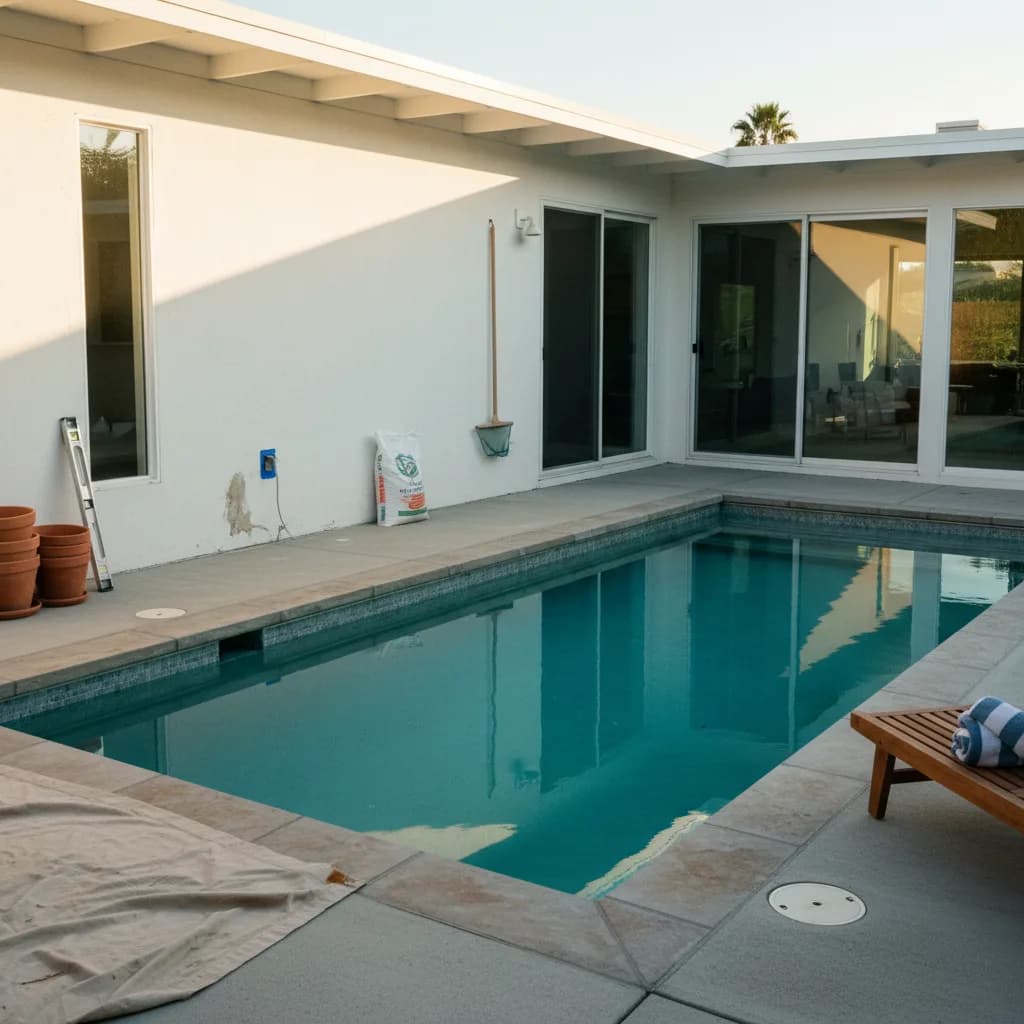
Deciding on a saltwater pool in Los Angeles is the easy part. The soft water, lower chemical hassle, and gentle feel are a clear upgrade from traditional chlorine. The hard part is decoding the quote. A “saltwater system” isn’t one item; it’s a spectrum of technology, from reliable mid-tier units to fully automated premium systems that manage water chemistry for you. The price difference upfront can be a few thousand dollars, but the real story is in the long-term cost, maintenance, and daily experience. While a full new pool installation can start lower for simple projects, most Los Angeles homeowners are looking at a significant investment where the choice of a salt system has a real impact on the final budget.
In a Nutshell: Premium vs. Mid-Tier Saltwater Pool Systems
- Premium System (e.g., Jandy AquaPure Ei Series with AquaLink Automation): This is a hands-off, integrated solution. It uses advanced sensors (ORP and pH) to monitor water quality in real time and produce chlorine or dose acid only when needed. It’s ideal for the homeowner who wants pristine water with minimal weekly intervention and loves controlling everything from a smartphone app. Expect a higher upfront cost but more precise chemical usage and potentially longer cell life due to smarter operation.
- Mid-Tier System (e.g., Pentair IntelliChlor IC40): This is a solid, workhorse solution. It reliably converts salt to chlorine based on a manually set output level and a pump run-time schedule. It requires more hands-on water testing and weekly adjustments from the homeowner to keep pH and chlorine levels balanced. It offers excellent value and performance for those who don't mind being more involved in their pool's chemistry.
The 2026 Cost Breakdown: What You’re Really Paying For
A new saltwater pool in Los Angeles is a complex project with three major cost centers before you even account for the salt system itself. The gunite shell is $65,000 to $95,000. The deck and coping is another $25,000 to $40,000. The equipment pad, including a Pentair Intelliflo VSF variable-speed pump, filter, and heater, adds $15,000 to $25,000. On top of this foundation, the saltwater system is an additional line item, defining the pool’s brainpower and your maintenance workload.
Three representative projects from 2026, scoped similarly, reconstructed from Golden Yards Magazine's Project of the Day network and used here in aggregate form:
- Sherman Oaks ($128,000): A 15x30 foot rectangular pool with a mid-tier Pentair IntelliChlor system, basic concrete decking, and a standard gas heater. The budget included a $2,800 electrical subpanel upgrade required for the new equipment load.
- Mar Vista ($155,000): A 14x28 foot freeform pool with a premium Jandy AquaPure system, travertine pavers, and an upgraded heater. The coastal location required stainless steel fixtures to resist salt air corrosion, adding to the cost.
- Pasadena ($182,000): A 16x32 foot pool on a sloped lot requiring $14,000 in extra grading and soil engineering. The project featured a fully automated Jandy system and MWELO-compliant landscaping with a smart irrigation controller, which qualified for a local turf-replacement rebate.
Premium Saltwater Pool System: The Jandy AquaPure Ei Series
The premium tier is defined by automation. A system like the Jandy AquaPure, when paired with Jandy AquaLink automation and a ChemLink pH/ORP sensor kit, moves beyond simple chlorine generation. It actively measures the sanitizer level (via Oxidation-Reduction Potential) and pH, commanding the salt cell and a separate acid pump to maintain perfect water chemistry. This is as close to a self-managing pool as you can get.
The upfront cost for a professionally installed Jandy AquaPure generator with full automation integration in Los Angeles is typically $4,000 to $5,500. The key benefit is operational intelligence. Instead of running at a fixed percentage for eight hours a day, the system might run at 40% for two hours after a pool party and then drop to 10% for the next three days if the water remains balanced. This extends the life of the salt cell, which costs around $900 to $1,200 to replace every four to seven years. The warranty is also typically longer, reflecting the higher-grade internal components.
Mid-Tier Saltwater Pool System: The Pentair IntelliChlor IC40
Ready to compare vetted project options?
Use Project Match privately when your scope is clear enough for contractor conversations.
Start Project MatchThe Pentair IntelliChlor series is one of the most common and respected systems installed by saltwater pool contractors in Los Angeles, and for good reason. It’s a durable, reliable generator that does its one job exceptionally well: turning salt into chlorine. The user sets the output percentage on the unit itself, and it runs whenever the main pump is active. It lacks the smart sensors of a premium system, meaning you are the sensor.
Installation cost for an IntelliChlor IC40 (sized for a pool up to 40,000 gallons) is in the $2,200 to $3,200 range. You'll need to test your water chemistry at least once a week with a test kit and adjust the output level manually. You will also need to manually add muriatic acid to lower pH, as the process of generating chlorine naturally raises it. The replacement cell for an IC40 runs about $700 to $900 and typically lasts three to five years. It’s a fantastic, cost-effective choice for homeowners who are diligent about weekly maintenance.
The Hidden Costs That Surprise Los Angeles Homeowners
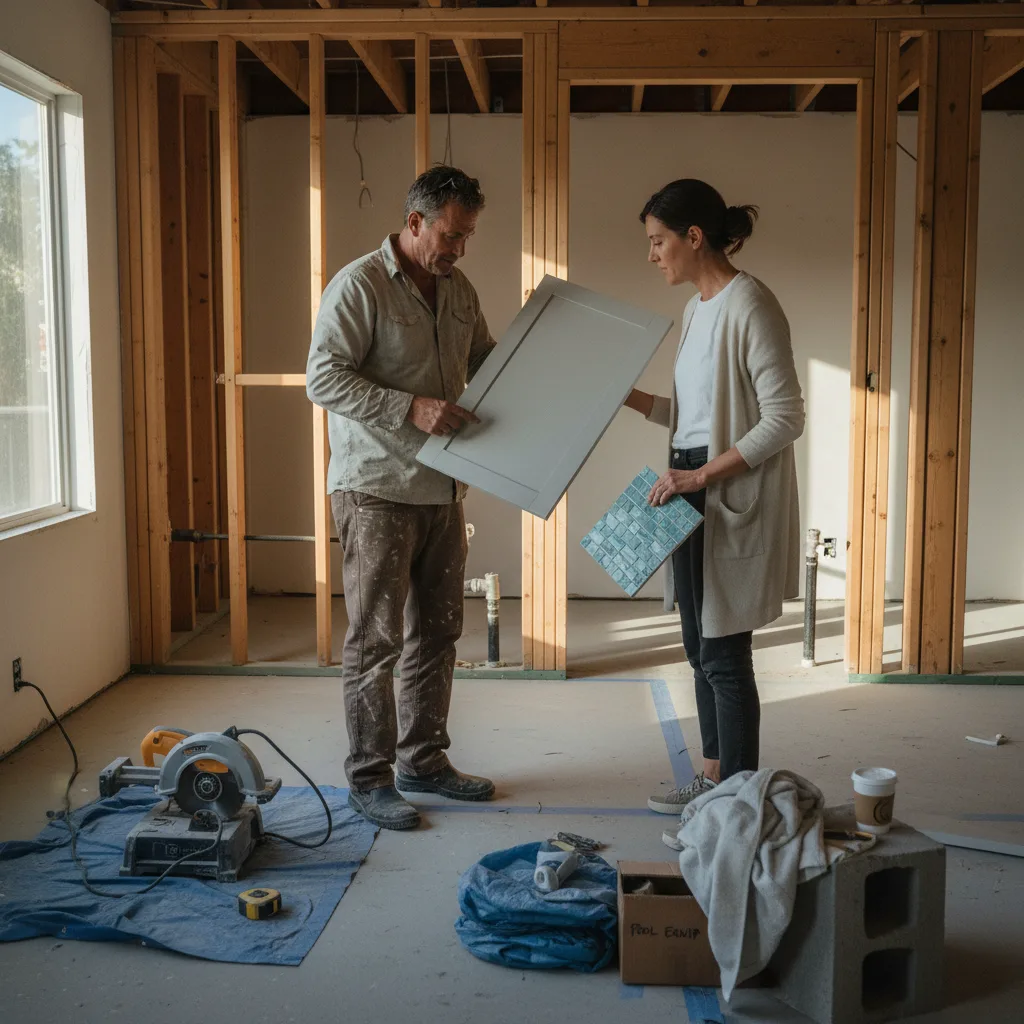
The saltwater system itself is rarely the biggest budget surprise. The real costs hide in the infrastructure required to support the new pool equipment. First is the electrical service. A modern equipment pad requires a dedicated 60-amp or even 100-amp subpanel, which can cost $2,500 to $4,000 to run from your main panel. Second, if you have a gas heater, its high BTU demand often requires upsizing your gas line from the meter. This is rarely in the first quote; budget another $1,500 to $3,000 for that work. Finally, any new construction must be permitted by the Los Angeles Department of Building and Safety (LADBS), a process that involves plan check fees, inspections, and can add several thousand dollars and months to your timeline. For the landscaping around the pool, you'll also need a plan that complies with the state's Model Water Efficient Landscape Ordinance (MWELO), which dictates a hydrozone breakdown by sun exposure and a drought-tolerant plant palette.
Finding and Vetting a Saltwater Pool Contractor in Los Angeles
A great system is only as good as its installation. When searching for a saltwater pool contractor in Los Angeles, start by verifying their C-53 Swimming Pool Contractor license with the California State License Board (CSLB). Look for contractors with specific experience in your neighborhood, whether it's dealing with the expansive clay soil in parts of the San Fernando Valley or the corrosive salt air in coastal communities like Santa Monica. A good contractor will provide a detailed, line-item quote that separates the costs for excavation, steel, gunite, plumbing, electrical, and equipment. For a complete guide on the process, see our [Los Angeles Saltwater Pool Permit Playbook for 2026](/guides/los-angeles-saltwater-pool-permit-playbook-2026).
Why Is a Saltwater Pool More Expensive in Los Angeles?
The “LA tax” is real, and it’s driven by three factors: labor, logistics, and regulation. Skilled construction labor rates are among the highest in the nation, a fact reflected in the California Department of Industrial Relations prevailing wage data for Los Angeles County. Materials have to travel through one of the country's most congested transportation networks, adding cost. Finally, the permitting process through LADBS is notoriously rigorous, requiring detailed plans and multiple inspections that add administrative overhead for contractors, who pass that cost to the client.
Avoiding Budget Overruns
With large-scale projects like a pool, unexpected issues are common, especially on older properties. The National Association of Home Builders recommends a ten to fifteen percent contingency on renovations in homes over thirty years old. This fund covers surprises like hitting unexpected rock during excavation or discovering the main electrical panel doesn't have the capacity for a new subpanel, requiring a more expensive service upgrade from LADWP. A tightly written scope-of-work document is your best tool to prevent scope creep and keep your project on track.
Verdict: Which System is Right for Your LA Home?
- Choose the Premium Jandy System if: You value automation and are willing to pay more upfront for long-term convenience and precision. It’s the right choice for busy professionals, those with rental properties, or anyone who wants to spend their time enjoying the pool, not testing it. The intelligent operation can also save on chemicals and extend cell life, narrowing the total cost of ownership over seven to ten years.
- Choose the Mid-Tier Pentair System if: You are a hands-on homeowner who is comfortable with weekly water testing and adjustments. It provides the same silky-smooth saltwater feel at a much lower initial investment. For a standard-sized backyard pool in a place like Eagle Rock or Studio City, the IntelliChlor offers an unbeatable combination of performance, reliability, and value.
Sources & Methodology
See the Golden Yards Methodology for how sources are reviewed, ranges are normalized, and planning-data limits are handled.
Cost ranges in this guide draw on the following named industry sources, public agency datasets, and Golden Yards Magazine editorial research.
- Pool & Spa News, 2026 Cost vs. Value Report (2026)
- California Department of Industrial Relations, Prevailing Wage Data (Los Angeles County) (2026)
- Los Angeles Department of Building and Safety (LADBS), Pool Construction Guidelines (2025)
- National Association of Home Builders (NAHB), Remodeling Market Index (Q1 2026)
- SoCalWater$mart Residential Rebate Program Data (2026)
- Jandy Technical Specifications for AquaPure & AquaLink Systems (2025)
- Pentair Technical Specifications for IntelliChlor Systems (2025)
Golden Yards Magazine Take
The choice between a mid-tier and premium saltwater system isn't just about features; it's about defining your role as a pool owner. The marketing focuses on the technology, but the real question homeowners in Los Angeles should ask is: “How much time do I want to spend managing my pool each week?” The mid-tier system makes you the brain; the premium system provides the brain for you. The saltwater conversion premium has dropped from $2,400 to $1,200 since 2024, but the automation premium has held steady. The smartest investment isn't always the most expensive system, but the one that best matches your lifestyle and removes the most friction from owning a pool.
Frequently Asked Questions
How much does a full saltwater pool installation cost in Los Angeles in 2026?
A new gunite saltwater pool in Los Angeles typically costs between $95,000 and $160,000. This range covers the pool shell, basic decking, and essential equipment. The final price depends on size, site access, and the tier of equipment chosen, with significant additional costs for electrical and gas line upgrades.
The base cost includes the gunite shell ($60k-$90k), deck and coping ($25k-$40k), and the equipment pad ($15k-$25k). A mid-tier saltwater system adds about $2,500, while a premium automated system can be $4,500 or more. Homeowners in hillside areas like the Hollywood Hills or Pasadena should also budget for geological surveys and seismic engineering, which can add another $5,000 to $15,000 before construction even begins.
Can any existing chlorine pool be converted to saltwater?
Yes, nearly any traditional chlorine pool can be converted to a saltwater system. The process involves installing a salt chlorine generator and adding pool-grade salt to the water. However, you must assess existing equipment like heaters and metal fixtures for compatibility, as higher salinity can accelerate corrosion on non-resistant components.
A qualified saltwater pool contractor in Los Angeles will check your pump, filter, and especially your heater. Some older gas heaters have copper heat exchangers that are vulnerable to salt corrosion. They may recommend a model with a cupro-nickel or titanium exchanger. Likewise, certain types of stone coping or metal handrails can be damaged over time. The conversion cost itself is primarily the generator, typically $1,800 to $4,000 installed.
Are saltwater pools maintenance-free?
No, saltwater pools are not maintenance-free, but they are lower maintenance than traditional chlorine pools. The salt cell automates chlorine production, eliminating the need to handle liquid or tablet chlorine. You still need to test water chemistry weekly, balance pH and alkalinity, and clean the salt cell periodically.
The primary tasks involve testing for pH, alkalinity, and stabilizer levels, as the chlorine generator's effectiveness depends on this balance. The salt cell itself needs to be inspected and cleaned every three to four months to remove mineral buildup, a common task in areas with hard water from LADWP. Salt levels should also be checked monthly and topped off as needed, usually after heavy rain or significant water loss from splash-out.
Do I need a special permit to install a saltwater system in Los Angeles?
If you are converting an existing pool, you typically do not need a new permit just for the saltwater system itself, as it's considered an equipment swap. However, for a new pool construction, the entire project requires extensive permits from the Los Angeles Department of Building and Safety (LADBS).
A new pool project in LA involves structural, electrical, plumbing, and gas permits. Your contractor will submit plans for review, which must include details on all equipment, including the saltwater generator and its electrical connection. The project must also comply with fencing laws and potentially the Model Water Efficient Landscape Ordinance (MWELO) for the surrounding landscape, which can dictate plant choices and irrigation systems.
Ready to start your pool project?
Find My ProsFrequently Asked Questions
How much does a full saltwater pool installation cost in Los Angeles in 2026?
A new gunite saltwater pool in Los Angeles typically costs between $95,000 and $160,000. This range covers the pool shell, basic decking, and essential equipment. The final price depends on size, site access, and the tier of equipment chosen, with significant additional costs for electrical and gas line upgrades. The base cost includes the gunite shell ($60k-$90k), deck and coping ($25k-$40k), and the equipment pad ($15k-$25k). A mid-tier saltwater system adds about $2,500, while a premium automated system can be $4,500 or more. Homeowners in hillside areas like the Hollywood Hills or Pasadena should also budget for geological surveys and seismic engineering, which can add another $5,000 to $15,000 before construction even begins.
Can any existing chlorine pool be converted to saltwater?
Yes, nearly any traditional chlorine pool can be converted to a saltwater system. The process involves installing a salt chlorine generator and adding pool-grade salt to the water. However, you must assess existing equipment like heaters and metal fixtures for compatibility, as higher salinity can accelerate corrosion on non-resistant components. A qualified saltwater pool contractor in Los Angeles will check your pump, filter, and especially your heater. Some older gas heaters have copper heat exchangers that are vulnerable to salt corrosion. They may recommend a model with a cupro-nickel or titanium exchanger. Likewise, certain types of stone coping or metal handrails can be damaged over time. The conversion cost itself is primarily the generator, typically $1,800 to $4,000 installed.
Are saltwater pools maintenance-free?
No, saltwater pools are not maintenance-free, but they are lower maintenance than traditional chlorine pools. The salt cell automates chlorine production, eliminating the need to handle liquid or tablet chlorine. You still need to test water chemistry weekly, balance pH and alkalinity, and clean the salt cell periodically. The primary tasks involve testing for pH, alkalinity, and stabilizer levels, as the chlorine generator's effectiveness depends on this balance. The salt cell itself needs to be inspected and cleaned every three to four months to remove mineral buildup, a common task in areas with hard water from LADWP. Salt levels should also be checked monthly and topped off as needed, usually after heavy rain or significant water loss from splash-out.
Do I need a special permit to install a saltwater system in Los Angeles?
If you are converting an existing pool, you typically do not need a new permit just for the saltwater system itself, as it's considered an equipment swap. However, for a new pool construction, the entire project requires extensive permits from the Los Angeles Department of Building and Safety (LADBS). A new pool project in LA involves structural, electrical, plumbing, and gas permits. Your contractor will submit plans for review, which must include details on all equipment, including the saltwater generator and its electrical connection. The project must also comply with fencing laws and potentially the Model Water Efficient Landscape Ordinance (MWELO) for the surrounding landscape, which can dictate plant choices and irrigation systems.