Building an Accessory Dwelling Unit in Pasadena typically takes between 18 and 26 weeks from the moment the permits are approved. A simpler garage conversion ADU in Pasadena can start lower, around 14 to 18 weeks, while a complex new build on a hillside lot can stretch past thirty weeks. The single biggest delay specific to this city is navigating design review within one of Pasadena's many Historic Preservation Overlay Zones (HPOZs). A project in a historic district like Bungalow Heaven can add two to four months of architectural review before you even submit for a building permit, a timeline shock for many first-time homeowners.
In a Nutshell
- Total Project Timeline: 18 to 26 weeks for a standard new-build ADU, post-permit approval.
- Four Key Phases: Design and Permits; Site Prep and Foundation; Construction Scope; Finishes and Final Inspection.
- Biggest Delay Risk: Unforeseen complications from Pasadena's Historic Preservation Overlay Zone (HPOZ) design review process, which can add months before permits are even submitted.
- Contingency Planning: Your budget should include a 10% to 15% contingency fund for unexpected costs, a standard recommendation from the National Association of Home Builders for older properties.
Phase 1: Design and Permits (weeks 1, 8)
This initial phase is all about planning and paperwork. It's where your vision is translated into buildable plans that comply with city and state codes. Your architect or designer creates the blueprints, which must adhere to Pasadena's specific zoning rules as well as state mandates like Title 24 Part 6 (California Energy Code). The homeowner's main job is making decisive choices on layout and major features. A permit expediter then submits the full plan set to the Pasadena Planning & Community Development Department. The common holdup here is a plan check correction letter from the city, which can take weeks to resolve. While AB 68 (the 2019 ADU shot-clock law) aims to speed things up, corrections or HPOZ reviews can easily push this phase past the eight-week mark.
Phase 2: Site Prep and Foundation (weeks 9, 12)
Once you have approved permits in hand, physical work begins. This phase prepares the land for construction. The contractor's crew will handle grading the site, excavating for the foundation, and trenching for utility lines. This is when Pasadena Water and Power (PWP) and Southern California Gas Company are scheduled for new hookups. A critical step is the soil report; poor subgrade compaction can fail an inspection and require costly re-engineering, adding weeks to the schedule. Homeowners should expect to see heavy machinery and significant disruption in their yard. The most common delay is discovering an old, undocumented sewer line or needing a major electrical panel upgrade to handle the ADU's load, a frequent issue in Pasadena's older housing stock.
Phase 3: Construction Scope (weeks 13, 20)
Ready to compare vetted project options?
Use Project Match privately when your scope is clear enough for contractor conversations.
Start Project MatchThis is the longest and most active phase, where the structure takes shape. The sequence is critical: first the foundation is poured and cured, then framing goes up, followed by sheathing and roofing. Next come the rough-ins for plumbing, electrical, and HVAC systems, all hidden within the walls. Each of these trades requires a separate city inspection before any drywall can be installed. An inspector from the Pasadena Planning & Community Development Department will visit the site multiple times to sign off on the inspection card. A failed framing or electrical inspection is a common holdup, forcing rework and re-inspection. The general contractor coordinates this complex dance of subcontractors, from framers to electricians, ensuring each completes their work in the correct order. Based on our analysis of invoiced projects, labor costs here are influenced by the California Department of Industrial Relations prevailing wage data for Los Angeles County.
Phase 4: Finishes and Final Inspection (weeks 21, 24)
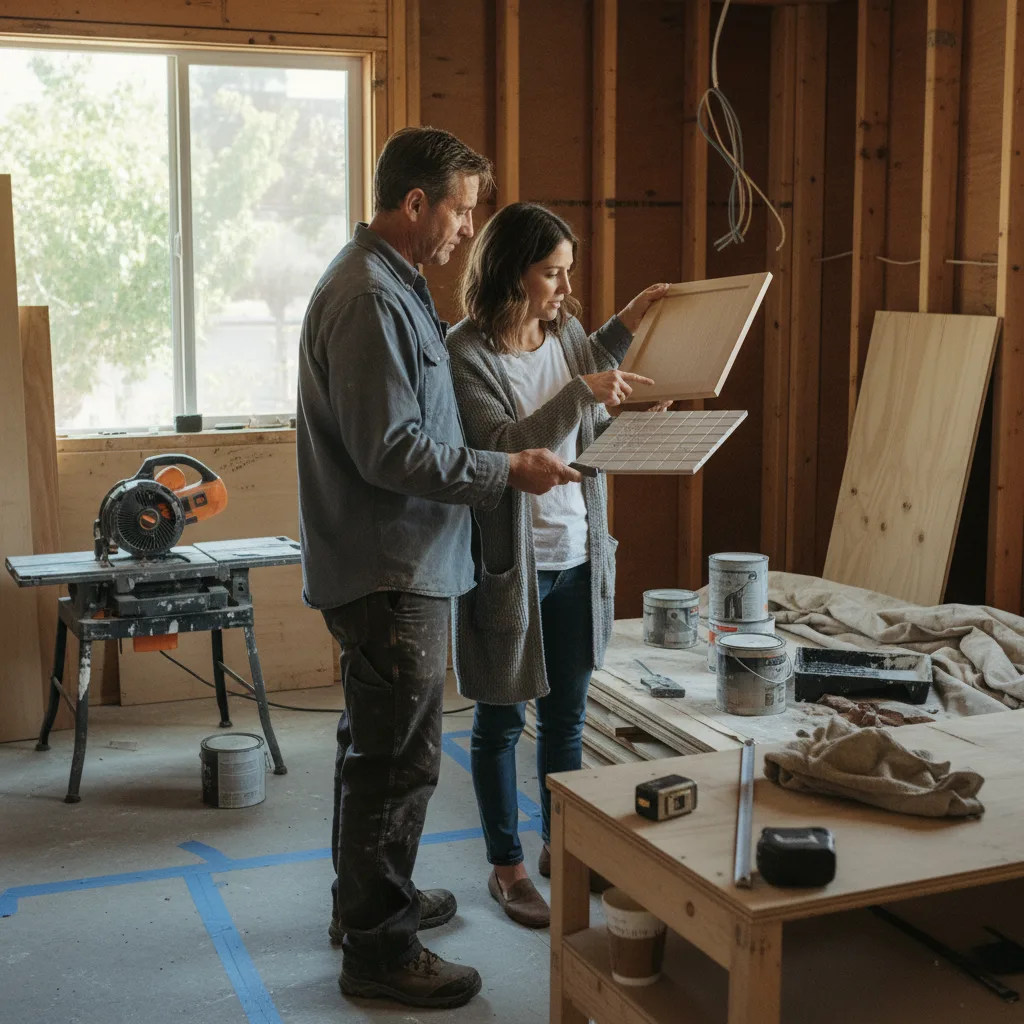
With the core structure approved, the focus shifts to aesthetics and functionality. This phase includes insulation, drywall installation, taping, and painting. After that, the finish trades arrive to install flooring, tile, cabinets, countertops, and light fixtures. The homeowner's role is to have all chosen materials on-site to avoid delays. The general contractor manages the final installations of plumbing fixtures and appliances. The biggest holdup in this phase is often supply chain issues, like a backordered appliance or custom window that halts progress. The project concludes with a final inspection from the city. Once passed, Pasadena issues a Certificate of Occupancy, officially making the ADU a legal, habitable space.
Three Representative Projects from 2026
Three representative California projects from 2026, scoped similarly, reconstructed from Golden Yards Magazine's invoiced project network and presented here in aggregate form:
- Bungalow Heaven, Pasadena: A 400-square-foot garage conversion ADU. The project faced three months of HPOZ review to ensure the exterior design matched the main 1922 Craftsman house. Total cost was $215,000, and the timeline from permit approval to completion was 19 weeks.
- Altadena Foothills: A 550-square-foot new construction ADU on a sloped lot requiring a deep caisson foundation and significant grading. The wildfire risk zone added requirements for non-combustible siding and tempered glass. Total cost reached $310,000, with a 28-week construction timeline.
- Madison Heights, Pasadena: A 750-square-foot, two-bedroom detached ADU built from a pre-approved city plan to expedite permitting. The lot was flat and had easy utility access. Total cost was $345,000, completed in 22 weeks.
What Can Compress This Timeline
While many factors are out of your control, homeowners can influence the schedule. First, using one of Pasadena's pre-reviewed ADU plans can shave months off the permitting phase by minimizing plan check corrections. Second, making all your design and finish selections before construction begins prevents decision-making delays. Have your tile, flooring, paint colors, and appliances picked out and ordered early. Third, hiring an integrated design-build firm streamlines communication. When the architect and builder are part of the same team, coordination issues between design and execution are minimized, preventing the finger-pointing that can stall a project for weeks.
What Blows It Up
Three things reliably derail an ADU timeline in Pasadena. The most common is an extended Historic Preservation review. If your initial design is rejected, each revision cycle can add four to six weeks. Second, unexpected site conditions, like hitting bedrock during excavation or discovering the main house's sewer line is cracked and needs replacement, can cause major delays and budget overruns. Third, a required utility service upgrade, such as needing a new transformer from Pasadena Water and Power to service your property, can put your project on hold for months while you wait for the utility company. The National Association of Home Builders recommends a ten to fifteen percent contingency on renovations in homes over thirty years old.
What Should Be in Your Contractor's Schedule
A professional contractor's schedule is more than a simple start and end date. It should be a detailed, week-by-week document with specific milestones. Insist that your ADU contractor in Pasadena provides a schedule that includes these line items at a minimum:
- Date for Final Plan Submission to Pasadena Planning
- Projected Permit Issuance Date
- Site Grading and Excavation Start/End Dates
- Foundation Pour and Cure Dates
- Framing Start and Inspection Dates
- Rough-in Inspection Dates (Plumbing, Electrical, Mechanical)
- Drywall Installation and Finishing Dates
- Cabinet and Fixture Installation Window
- Target Date for Final Inspection Request
- Projected Certificate of Occupancy Date
This level of detail helps you track progress and hold your team accountable. For a complete guide on vetting your plans, see [our Pasadena ADU permit playbook](/guides/pasadena-adu-permit-playbook-2026).
Golden Yards Take
Contractor brochures often sell a dream of a three-month build. The reality for an ADU in Pasadena is a six-to-nine-month journey from your first call to an architect to receiving your keys. The most underestimated portion of this timeline is the pre-construction phase. Homeowners focus on the physical build, but the weeks and months spent in design, engineering, and especially navigating Pasadena's meticulous permit and historical review process are where the schedule is truly made or broken. A well-vetted architect and a contractor who specializes in Pasadena ADUs can anticipate these specific municipal hurdles. They understand the nuances of HPOZ requirements and the local inspection process, which is the most valuable expertise you can pay for. The physical construction is often the most predictable part of the entire process.
Frequently Asked Questions
How long does an ADU in Pasadena really take?
A new-build ADU in Pasadena typically takes six to nine months from the initial design consultation to final sign-off. This includes two to four months for design and permitting, followed by four to six months of actual construction. Garage conversions can be slightly faster. This total timeline is longer than many marketing claims suggest because it accounts for the full pre-construction process. The construction itself might only take 18-26 weeks, but getting the plans designed, engineered, and, most importantly, approved by the Pasadena Planning & Community Development Department (especially in a historic zone) consumes a significant amount of time before any ground is broken.
Can I use my home and yard during construction?
You can live in your main house, but expect significant disruption to your yard and daily routine. Construction involves constant noise from saws and machinery, dust, and a steady flow of workers and vehicles. Access to your backyard will be limited or completely blocked for safety. A good contractor will establish clear boundaries for the work zone, manage debris with a dedicated dumpster, and provide a schedule for major events like utility shut-offs. However, the impact is unavoidable. Plan for reduced privacy, parking challenges, and the general stress of a major construction project happening just feet from your door for several months.
What's the longest single phase of an ADU build?
For most Pasadena ADU projects, the longest and most unpredictable phase is Phase 1: Design and Permitting. While the physical construction (Phase 3) involves more activity and takes many weeks, the front-end planning and approval process is where timelines most often get extended. This is particularly true in Pasadena due to its numerous Historic Preservation Overlay Zones (HPOZs). A project in an HPOZ can add two to four months of design review before you can even submit for building permits. Simple plan check corrections from the city can also add weeks of back-and-forth between your designer and city officials, making this administrative phase the most common source of major delays.
Can I fast-track the permits for my Pasadena ADU?
Yes, to an extent. The most effective way to fast-track permits in Pasadena is to use the city's own Pre-Reviewed ADU Plans. These are architectural designs that have already been reviewed by the planning department for compliance with zoning and building codes, which can significantly shorten the plan check process. However, this approach comes with a trade-off. You sacrifice customization, as you must build one of the specific designs offered. If your property has unique constraints or you desire a custom layout, you cannot use these plans. While state laws like AB 68 mandate a 60-day review period, that clock can be paused if the city requests corrections, so using a pre-approved plan is the surest way to avoid those common delays.
Sources & Methodology
Golden Yards reviews public permit and code signals, material pricing, climate and site constraints, contractor quote patterns, comparable projects, the Golden Yards Cost Index, and the Golden Yards Methodology. Cost references are planning ranges, not fixed bids.
- Pasadena Planning & Community Development Department, ADU Guidelines, 2026
- California Department of Housing and Community Development (HCD), ADU Handbook, 2025
- National Association of Home Builders (NAHB), Construction Cost Survey, Q4 2025
- Golden Yards Magazine, Invoiced ADU Project Database, 2024-2026
- California Legislative Information, AB 68 and AB 1033 Text
- California Department of Industrial Relations, Prevailing Wage Determinations, Los Angeles County, 2026
- Pasadena Water and Power (PWP), Service Planning Requirements, 2025
Ready to start your ADU project?
Find My ProsFrequently Asked Questions
How long does an ADU in Pasadena really take?
A new-build ADU in Pasadena typically takes six to nine months from the initial design consultation to final sign-off. This total timeline includes two to four months for design and permitting, followed by four to six months for construction. Garage conversions can be slightly faster than new builds.
The total project timeline is longer than just the construction phase, which itself might take 18-26 weeks. A significant amount of time is spent on pre-construction activities before any ground is broken. This includes designing the plans, getting them engineered, and securing approval from the Pasadena Planning & Community Development Department, a process that can be especially lengthy in a historic zone.
Can I use my home and yard during construction?
Yes, you can live in your main house, but expect significant disruption to your yard and daily routine for several months. Construction involves constant noise, dust, and a flow of workers. Access to your backyard will be limited or completely blocked for safety. Plan for reduced privacy and parking challenges.
The impact of construction is unavoidable, even with a good contractor. While a contractor will establish clear boundaries for the work zone, manage debris with a dedicated dumpster, and provide a schedule for major events like utility shut-offs, your daily life will be affected. You should anticipate constant noise from saws and machinery, along with dust. The steady flow of workers and vehicles creates parking issues and reduces privacy. The general stress of a major project happening just feet from your door is a reality for the duration of the build.
What's the longest single phase of an ADU build?
The longest phase of an ADU build is typically Phase 1: Design and Permitting. While construction takes many weeks, this administrative process is where timelines most often get extended. In Pasadena, projects within Historic Preservation Overlay Zones (HPOZs) can add two to four months of design review before permit submission.
Although the physical construction, or Phase 3, involves more visible activity, the front-end planning and approval process is where timelines become most unpredictable. This is particularly true in Pasadena due to its numerous Historic Preservation Overlay Zones (HPOZs). A project in an HPOZ can add two to four months of design review before you can even submit for building permits. Additionally, simple plan check corrections from the city can create weeks of back and forth between your designer and city officials, making this administrative phase the most common source of major delays.
Can I fast-track the permits for my Pasadena ADU?
Yes, you can fast-track your Pasadena ADU permits by using the city's Pre-Reviewed ADU Plans. These designs are already checked for code compliance, shortening the review process. While state law AB 68 mandates a 60-day review, pre-approved plans help avoid common delays, though they limit your customization options.
The most effective way to speed up ADU permits in Pasadena is by selecting one of the city's Pre-Reviewed ADU Plans. These architectural designs are pre-vetted by the planning department, which shortens the plan check process. The downside is that you must build one of the specific designs offered, sacrificing customization. If your property has unique features or you want a different layout, these plans are not an option. State law AB 68 mandates a 60-day review, but that clock stops for correction requests. A pre-approved plan is the surest way to avoid such delays.