A garage conversion in Pasadena takes between 14 and 22 weeks from the day you hire a designer to the day you get your final sign-off in 2026. While the construction itself can be swift, the city’s meticulous permit review process, especially in historic districts like Bungalow Heaven, is the single biggest factor stretching the timeline. A basic conversion of a newer, detached garage can start lower, around $120,000 according to our invoiced project data, but a complex project on a hillside lot in Linda Vista involving significant structural upgrades and high-end finishes can easily push past $190,000. Understanding the city's process is key to keeping your project on track.
In a Nutshell
- Total Timeline: 14 to 22 weeks
- Four Key Phases: 1. Design and Permits; 2. Site Prep and Foundation; 3. Construction Scope; 4. Finishes and Final Inspection.
- Biggest Delay Risk: Uncovering major structural issues in the existing garage, such as an unreinforced slab or rotted framing, which requires costly and time-consuming engineering and rework.
- Contingency Fund: Plan for the unexpected. The National Association of Home Builders recommends a ten to fifteen percent contingency on renovations in homes over thirty years old, a category that includes most of Pasadena's housing stock.
Phase 1: Design and Permits (Weeks 1, 8)
This initial phase is all about planning and paperwork, and it often takes longer than homeowners expect. Your designer or architect will create a full set of construction drawings. These must include structural engineering calculations and a Title 24 Part 6 (California Energy Code) compliance report. Once complete, the package is submitted to the Pasadena Planning & Community Development Department for review. While AB 68 (the 2019 ADU shot-clock law) mandates a 60-day review period, the clock can pause if the city requests corrections, a common occurrence. If your home is in a historic district, a separate, more rigorous design review can add several weeks to this phase. An experienced local permit expediter is invaluable here; they know Pasadena's specific requirements and can anticipate plan checker comments, saving you a round of revisions.
Phase 2: Site Prep and Foundation (Weeks 9, 11)
With approved permits in hand, physical work begins. This phase starts with clearing out the garage and any necessary demolition. The main task is preparing the foundation and underground utilities. Your contractor will trench from the main house to the garage for new water, sewer, and electrical lines. This is where the first major surprise often lurks: the garage's concrete slab. Many pre-1980s garages in Pasadena were built on thin, unreinforced slabs-on-grade that don't meet modern code for living space. This often means the crew must cut or completely remove the old slab to pour new, thicker footings and a proper foundation. You'll also need a licensed electrician to confirm your main electrical panel can handle the added load, and a plumber to connect to the sewer lateral. All this work with Pasadena Water and Power (PWP) requires coordination and separate inspections before anything can be covered up.
Phase 3: Construction Scope (Weeks 12, 18)
Ready to compare vetted project options?
Use Project Match privately when your scope is clear enough for contractor conversations.
Start Project MatchThis is the phase where your new living space takes shape. It follows a strict sequence of trades, each requiring a city inspection before the next can begin. The order is typically: framing new walls and window openings, installing sheathing and roofing, and then the critical rough-in for plumbing, electrical, and HVAC systems. Each of these systems requires its own inspection where a city official signs off on the physical inspection card. A failed inspection can cause a delay of several days while the issue is corrected and a re-inspection is scheduled. For a garage conversion, this phase also includes ensuring a proper load path if you're modifying the roof structure and confirming all the cripple walls in these post-1990 raised foundation structures are properly braced, a key seismic requirement in Southern California.
Phase 4: Finishes and Final Inspection (Weeks 19, 22)
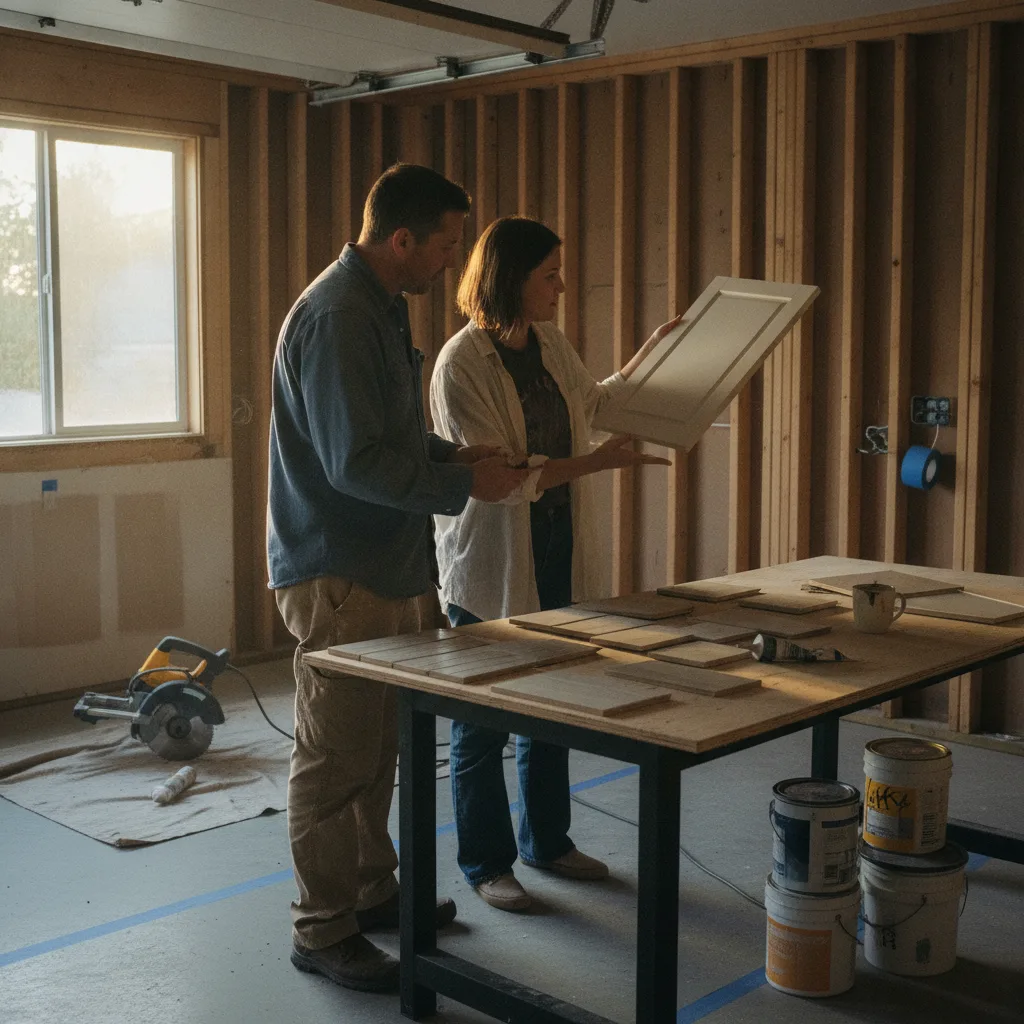
After the rough-in inspections are cleared, the focus shifts to aesthetics and function. The first step is insulation, which also requires an inspection, followed by hanging and finishing drywall. From there, it’s a cascade of finish trades: painters, flooring installers, tile setters, and cabinet makers. Your general contractor's skill at scheduling is crucial here to prevent trades from working on top of each other. Once all fixtures are installed and the paint is dry, the final step is the city's final inspection. The inspector will walk through the entire unit with the approved plans in hand, checking everything from outlet placement to window egress. Once you pass, the city issues a Certificate of Occupancy, and your garage is officially a legal dwelling unit. This final sign-off is the moment your project is truly complete.
Three Representative Projects from 2026
Three representative California projects from 2026, scoped similarly, reconstructed from Golden Yards Magazine's invoiced project network and presented here in aggregate form:
- Madison Heights, Pasadena: A 450-square-foot conversion of a detached garage behind a 1920s Craftsman. The project required significant structural upgrades to the foundation and framing, plus careful design review to match the historic main house. Total cost: $195,000. Total time: 23 weeks.
- East Hollywood, Los Angeles: A standard 400-square-foot garage conversion for a post-1985 stucco house. The process was streamlined under LADBS using a pre-approved standard plan, avoiding major plan check delays. Total cost: $140,000. Total time: 16 weeks.
- North Park, San Diego: A 500-square-foot conversion that also included creating a small, private patio space. The project involved a sewer line extension and a main panel upgrade, adding complexity to the site prep phase. Total cost: $175,000. Total time: 20 weeks.
What Can Compress This Timeline
While you can't control the city's review queue, you can influence the speed of your project. First, hire a design-build firm. Having one point of contact for design, engineering, and construction eliminates the communication gaps that cause delays. Second, finalize every single material selection, from flooring to faucets, before the first hammer swings. This allows your contractor to order everything in advance and avoid waiting on backordered items. Third, consider using one of Pasadena's pre-reviewed ADU plans. While they offer less customization, they are designed to move through the permitting process much faster, potentially saving you four to six weeks in Phase One.
What Blows It Up
Three things consistently derail garage conversion timelines. The most common is discovering the existing structure is unsalvageable. If the foundation is badly cracked or the framing is riddled with dry rot, you're essentially looking at a new-build project inside an old shell. Second, any change orders made by the owner after construction begins will have a ripple effect, often requiring new drawings, re-inspections, and rescheduled trades. Third, failing to account for utility upgrades. If your project requires a new electrical service panel or a more significant sewer connection, coordinating with PWP can add unexpected weeks. The National Association of Home Builders recommends a ten to fifteen percent contingency on renovations in homes over thirty years old.
What Should Be in Your Contractor's Schedule
A professional contractor will provide a detailed project schedule with key milestones. Don't accept a vague timeline; insist on specific dates for the following items. This document, along with a scope-lock agreement, is your best defense against project creep and delays. For a full breakdown of the documents you'll need, see our Pasadena Garage Conversion Permit Playbook for 2026.
- Date for Final Plan Submission to City
- Target Date for Permit Issuance
- Projected Start Date for Demolition
- Foundation and Underground Plumbing Inspection Date
- Framing Inspection Date
- Electrical, Mechanical, and Plumbing Rough-in Inspection Dates
- Insulation Inspection Date
- Drywall Start Date
- Projected Date for Final Inspection
- Target Date for Certificate of Occupancy
Golden Yards Magazine Take
Contractors often market a garage conversion pasadena 2026 project with a tidy “12-week build time.” That number is not inaccurate for the construction phase alone, but it is misleading. For the homeowner, the project begins the day you hire a designer, and the six to eight weeks of design and permitting are real, tangible time. The most successful projects are those where homeowners understand that the pre-construction phase is just as critical as the build itself. In a market like Pasadena, with its older housing stock and rigorous oversight, a realistic total timeline is closer to five months. Higher labor costs, reflected in the California Department of Industrial Relations prevailing wage data for Los Angeles County, also mean that any delays directly inflate your final cost. Budgeting time and money for a thorough planning phase is the smartest investment you can make.
Frequently Asked Questions
How long does a garage conversion in Pasadena really take?
A complete garage conversion in Pasadena typically takes 14 to 22 weeks from initial design to final city approval. This includes about six to eight weeks for design and permitting, followed by eight to fourteen weeks for the actual construction and inspections. This timeline can be longer if your property is in a historic district, as the design review process is more stringent. The condition of your existing garage is the other major variable. If the foundation or framing requires significant unexpected repairs, it can add several weeks and substantial cost to the project.
Can I use the home/yard during construction?
You can live in your main house, but expect significant disruption. The construction zone will generate constant noise and dust, and your yard will become a storage area for materials and a parking spot for trade vehicles. Access to your backyard may be limited or blocked entirely. There will also be planned utility shutoffs. Expect your power to be turned off for at least a full day when the new subpanel is connected, and water will be shut off during plumbing tie-ins. Clear communication with your project manager is essential to prepare for these scheduled interruptions.
What's the longest single phase?
For most Pasadena garage conversions, the longest phase is Phase One: Design and Permits. While construction feels more active, the back-and-forth with the city's planning department, including initial review and potential corrections, often consumes six to eight weeks before any physical work can begin. This is especially true if your home falls under historic preservation review, which can add another month or more. In contrast, once permits are issued, the actual construction phases like framing or finishes move relatively quickly, typically lasting two to four weeks each, barring any major unforeseen issues.
Can I fast-track the permits?
You cannot pay to skip the queue, but you can significantly speed up the process with preparation. The fastest path is to hire an architect and permit expediter who specialize in Pasadena. They understand the city's specific requirements and can submit a perfectly clean plan set that gets approved on the first submission. Using one of the city's pre-reviewed ADU plans can also accelerate the process, as the design has already been vetted. While AB 68's 60-day shot clock provides a backstop, a well-prepared application submitted by a local professional is the most effective way to get your permit in hand as quickly as possible.
Sources & Methodology
Golden Yards reviews public permit and code signals, material pricing, climate and site constraints, contractor quote patterns, comparable projects, the Golden Yards Cost Index, and the Golden Yards Methodology. Cost references are planning ranges, not fixed bids.
- Pasadena Planning & Community Development Department, Permit Center Statistics, 2025
- California Department of Housing and Community Development (HCD), ADU Handbook, 2026 Edition
- National Association of Home Builders (NAHB), Remodeling Market Index (RMI), Q1 2026
- California Energy Commission, Title 24 Part 6 Building Energy Efficiency Standards
- California Department of Industrial Relations, Prevailing Wage Determinations for Los Angeles County, 2026
- Golden Yards Magazine, Invoiced ADU & Conversion Project Database, 2025-2026
- City of Pasadena, ADU Development Standards and Information
Ready to start your garage conversion project?
Find My ProsFrequently Asked Questions
How long does a garage conversion in Pasadena really take?
A garage conversion in Pasadena takes 14 to 22 weeks from initial design to final city approval. This timeline includes six to eight weeks for design and permitting, plus eight to fourteen weeks for construction and inspections. Projects in historic districts or garages needing significant repairs can take longer.
The total project timeline of 14 to 22 weeks is an estimate, and two main factors can extend it. First, if your Pasadena property is located in a historic district, the design review process is more stringent and can add time to the standard six to eight week permitting phase. Second, the condition of the existing garage is a major variable. If unexpected foundation or framing repairs are required, this can add several weeks and substantial cost to the eight to fourteen week construction period.
Can I use the home/yard during construction?
Yes, you can live in your main house, but expect significant disruption from constant noise and dust. Your yard will become a storage area for materials and a parking spot for trade vehicles, and backyard access may be blocked. Expect planned utility shutoffs, including power for at least a full day.
The construction zone will generate considerable noise and dust throughout the project. Your yard will be used for storing materials and parking trade vehicles, which may limit or entirely block access to your backyard. You should also prepare for scheduled utility interruptions. For example, your power will be turned off for at least a full day when the new subpanel is connected. Water will also be shut off during plumbing tie-ins. Clear communication with your project manager is essential to prepare for these interruptions.
What's the longest single phase?
For Pasadena garage conversions, Phase One (Design and Permits) is the longest phase, often taking six to eight weeks. This period covers the city planning department's review and any required corrections before physical work begins. If your home is under historic preservation review, this phase can extend by another month or more.
While construction feels more active, the administrative part is often slower. Later phases like framing or finishes move relatively quickly, typically lasting two to four weeks each, barring unforeseen issues. In contrast, the pre-construction process in Pasadena, including the planning department's review and corrections, consumes six to eight weeks before physical work begins. A historic preservation review can add another month or more to this initial timeline.
Can I fast-track the permits?
No, you cannot pay to fast-track permits in Pasadena. The best way to speed up the process is with preparation, such as hiring a local architect and permit expediter. They can submit a clean plan set for first-pass approval. Using one of the city's pre-reviewed ADU plans also accelerates the timeline.
While you cannot pay for preferential treatment, a well-prepared application is the most effective way to accelerate your permit approval. Professionals specializing in Pasadena understand the city's specific requirements and can prepare a plan set that avoids common errors, aiming for approval on the first submission. This proactive approach is the fastest strategy.
Another option is selecting one of Pasadena's pre-reviewed ADU plans, since the design has already been vetted by city planners. Although state law AB 68 provides a 60-day review deadline as a backstop, a clean, professional submission is your most reliable path to getting a permit quickly.