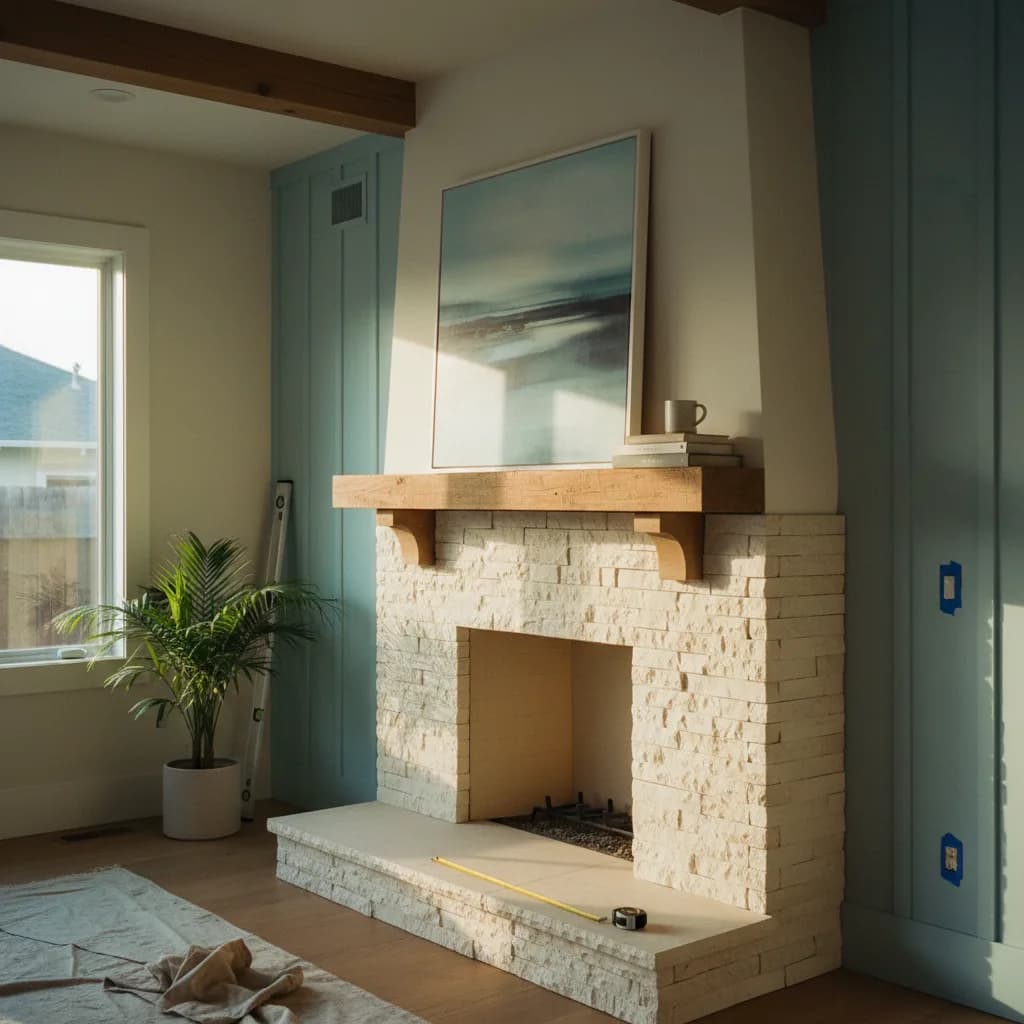
An outdoor fireplace in Long Beach costs between $18,000 and $55,000 in 2026, with most homeowners spending around $32,000 for a well-built gas unit with integrated seating. The cost can start lower, around $12,000 for a basic prefabricated wood-burning kit on an existing concrete patio, but a custom masonry fireplace in coastal neighborhoods like Naples or Belmont Shore will easily exceed $60,000 once gas lines, structural footings, and city permits are factored in. This is a structural project, not just a landscape feature.
In a Nutshell: Long Beach Outdoor Fireplace Costs
- Total Cost Range: $12,000 - $65,000+
- Typical Mid-Range Project: $28,000 - $38,000
- Project Timeline: 6 to 10 weeks, from permit submission to final inspection.
- Biggest Surprise Line Item: Structural engineering and soil reports, which can add $2,500 to $4,500 for projects on the sandy or unstable soil common in coastal Long Beach.
What does an outdoor fireplace actually cost in Long Beach in 2026?
The final price tag for your outdoor fireplace depends entirely on three things: size, material choice, and whether it's gas or wood-burning. We've collected data from recent invoiced projects across the city to provide a realistic budget spectrum. A simple, small-footprint project using a prefabricated insert on an existing foundation represents the bottom of the range, a scenario that applies to very few full-scale backyard renovations.
| Tier | Cost Range | Description |
|---|---|---|
| Basic | $12,000 - $20,000 | Prefabricated wood-burning kit (CMU block with stucco finish) on an existing patio. Minimal site prep, no gas line, basic steel firebox. Assumes easy site access. |
| Mid-Range | $28,000 - $38,000 | Custom-built gas fireplace (8-10 feet tall) with a stone veneer or smooth stucco finish. Includes new concrete foundation, gas line extension (up to 40 feet), built-in hearth or seating, and a stainless steel burner kit. This is the most common project scope. |
| Premium | $45,000 - $65,000+ | Large, custom masonry fireplace with premium materials like limestone or reclaimed brick. May include integrated wood storage, custom lighting, a chimney cap, and connection to a larger outdoor kitchen structure. Requires extensive engineering and potentially complex permitting. |
For a typical mid-range $32,000 outdoor fireplace project in Long Beach, here’s where the money goes:
- Labor (Masonry, Gas Plumber, Electrician): 45% ($14,400)
- Materials (Blocks, Veneer, Firebox, Gas Kit): 30% ($9,600)
- Foundation & Site Prep: 10% ($3,200)
- Permits & Engineering: 10% ($3,200)
- Contractor Overhead & Profit: 5% ($1,600)
Why is an outdoor fireplace more expensive in Long Beach than in other parts of Southern California?
While Long Beach is part of the greater Los Angeles metro, several local factors combine to push project costs higher than in inland areas like Riverside or San Bernardino. These are the three primary drivers we see in our collected project data.
1. High-Cost, In-Demand Labor
Long Beach pulls from the same pool of skilled labor as the entire Los Angeles basin, a market with relentless demand for qualified trades. According to the California Department of Industrial Relations prevailing wage data for Los Angeles County, certified masons and pipefitters command premium rates. An experienced outdoor fireplace contractor in Long Beach has a full schedule, and their pricing reflects that. You are paying for expertise in navigating local codes and building a structure that will last for decades.
2. Coastal & Neighborhood Premiums
Proximity to the ocean means building with materials that can withstand corrosive salt air. Stainless steel components (burners, vents, access doors) are not optional; they are a requirement for longevity. This adds 15 to 20 percent to material costs compared to standard galvanized steel., project costs vary significantly by neighborhood. A project in the waterfront communities of Naples or Belmont Shore often carries a premium due to tighter site access, more stringent homeowner association rules, and higher homeowner expectations compared to a similar project in Bixby Knolls or the traffic circle area.
3. Stringent Permitting and Seismic Codes
Any structural project in this part of California requires solid engineering to meet seismic safety standards. An outdoor fireplace, with its heavy masonry and deep foundation, is no exception. This means a mandatory structural engineering plan and often a soils report, adding thousands to the upfront cost before a single shovel hits the ground. Long Beach Development Services (LBDS) reviews these plans carefully. If your property falls within the Coastal Zone, you face an additional layer of review from the California Coastal Commission, which can add significant time and complexity to the approval process.
What do real Long Beach homeowners spend in 2026?
Ready to compare vetted project options?
Use Project Match privately when your scope is clear enough for contractor conversations.
Start Project MatchThree representative projects from 2026, scoped similarly, reconstructed from Golden Yards Magazine's invoiced project network and used here in aggregate form:
- Bixby Knolls ($31,500): A homeowner added a 9-foot-tall gas fireplace to their backyard. The structure was finished with smooth stucco to match the main house and featured a cast concrete hearth and built-in wood storage boxes (for aesthetics, as it was a gas unit). The gas line was extended 35 feet from the meter. The project took seven weeks from permit approval to completion.
- Belmont Heights ($36,000): This project involved a slightly larger 10-foot brick-veneer gas fireplace built on a new concrete patio extension. The cost was higher due to the more labor-intensive brickwork and the need for additional foundation work for the new patio slab. Permitting took nearly nine weeks due to a request for clarification on the setback from the property line.
- Alamitos Bay ($42,000): Situated on sandy soil near the water, this modern concrete-form fireplace required an extensive soils report and a much deeper, reinforced foundation, adding over $5,000 in engineering and concrete costs alone. The project also included low-voltage lighting integrated into the hearth, which required an additional electrical permit and trenching.
Where does the money actually go? The hidden costs of an outdoor fireplace
First-time quotes from a contractor often focus on the visible structure. But a significant portion of the budget for an outdoor fireplace in Long Beach is allocated to non-obvious, but critical, line items. Always ask if these are included in your initial bid.
- Permit & Plan Check Fees: Long Beach Development Services charges fees for plan submission, review, and inspections. ($1,200 - $2,500)
- Structural Engineering: A licensed engineer must draw up plans detailing the foundation, rebar schedule, and structural connections to meet seismic codes. ($1,800 - $3,500)
- Soils Report: Often required by engineers in coastal or hillside areas to determine the foundation requirements. ($1,500 - $3,000)
- Gas Line Extension: A licensed plumber must run a new line from your meter to the fireplace. The cost is calculated per linear foot and depends on the complexity of the run. ($75 - $120 per foot)
- Demolition and Site Preparation: This includes removing old concrete, grading the area, and protecting surrounding landscaping. ($1,000 - $2,800)
- Electrical Work: For gas fireplaces with automatic ignition systems or for integrated accent lighting. ($800 - $1,500)
- Debris Haul-Away: The cost of a dumpster and disposal of soil and construction waste. ($500 - $900)
- Final Grading and Landscape Repair: Your yard will be a construction zone. Budget for repairing sprinklers, sod, or planters damaged during the build. ($700 - $2,000)
What stops a Long Beach outdoor fireplace from running over budget?
Budget overruns on outdoor projects are common, but they are almost always preventable. The issues typically fall into three categories.
- Unforeseen Site Conditions: The most common culprit is what's discovered underground. Hitting unexpected utility lines, large tree roots, or discovering that the soil composition is poorer than anticipated can require costly changes to the engineering plan and foundation. This is particularly true in older neighborhoods with decades of undocumented backyard work.
- Scope Creep: It starts with a simple fireplace. Then you decide to add built-in seating. Then a wood storage box. Then low-voltage lighting. Each addition, while seemingly small, adds material and labor costs that can quickly inflate the budget by 20 to 30 percent. Lock in your full scope of work before construction begins.
- Permit Corrections: If your plans are incomplete or don't fully comply with Long Beach's specific building codes, the city plan checker will send them back with a list of required corrections. Each round of revisions costs you time and money, as your contractor and engineer bill for the extra hours.
To guard against these surprises, especially the first one, it's wise to hold a financial reserve. The National Association of Home Builders recommends a ten to fifteen percent contingency on renovations in homes over thirty years old.
Ready for a detailed estimate?
If the fireplace is part of a larger patio project, review the surface, drainage and layout considerations in our patio planning guide. Ask contractors to price the fireplace and surrounding patio work separately so you can compare the scope of each bid.
What should your Long Beach contractor include in the quote?
A legitimate bid is not a single number on a business card. It's a detailed document that outlines every phase of the project. Your quote from an outdoor fireplace contractor in Long Beach should include these fourteen items at a minimum:
- A detailed scope of work describing the fireplace dimensions, materials, and features.
- Proof of CSLB licensure, general liability insurance, and worker's compensation insurance.
- A line item for all demolition, grading, and site preparation.
- The specific type and thickness of the concrete foundation and rebar reinforcement.
- The brand and model of the firebox, burner, and gas components.
- The specific stone or brick veneer specified, including the mortar style.
- A line item for the gas line installation, including the pipe size and trenching details.
- Any electrical work for ignition or lighting, specifying fixture types.
- A detailed permitting plan, including who is responsible for submitting to Long Beach Development Services. You can learn more about the process in our Long Beach outdoor fireplace permit playbook for 2026.
- A clear statement on who is responsible for paying for engineering or other consultant fees.
- A project timeline with estimated start and completion dates.
- A payment schedule tied to project milestones (e.g., foundation pour, framing, final inspection).
- A plan for site cleanup and debris removal.
- A written warranty for workmanship and materials.
The Golden Yards Magazine Take
The single biggest mistake we see homeowners make when budgeting for an outdoor fireplace in Long Beach is thinking of it as a simple landscape accessory. It is not. From a permitting and construction standpoint, it is a small, specialized structural addition to your property. It involves a foundation, structural masonry, and a utility connection (gas), all of which trigger rigorous code requirements and inspections. The initial, appealingly low prices of prefabricated kits online create a false anchor for the true cost. The real project involves the extensive, non-visible work below ground and behind the veneer. Budgeting for the engineering, permitting, and site work first, and the visible fireplace second, is the key to avoiding budget shock and ensuring a safe, durable, and permitted final product.
Sources & Methodology
See the Golden Yards Methodology for how sources are reviewed, ranges are normalized, and planning-data limits are handled.
Cost ranges in this guide draw on the following named industry sources, public agency datasets, and Golden Yards Magazine editorial research.
- National Association of Home Builders (NAHB) Home Remodeling Index (Q1 2026)
- California Department of Industrial Relations, Prevailing Wage Determinations (Los Angeles County) (2026)
- Long Beach Development Services, Building & Safety Permit Fee Schedule (2026)
- California Contractors State License Board (CSLB), Contractor Cost Survey Data (2025)
- Hearth, Patio & Barbecue Association (HPBA), Outdoor Living Trends Report (2025)
- Golden Yards Magazine Editorial Methodology & Project Cost Database (2024-2026)
Ready to start your outdoor fireplace project?
Find My ProsFrequently Asked Questions
Do I need a permit for an outdoor fireplace in Long Beach?
Yes, a building permit from Long Beach Development Services is always required for a permanent outdoor fireplace. The structure involves a foundation, masonry, and often a gas line, all of which fall under California Building Code regulations for safety. There is no size or cost exemption for this type of project. Failing to get a permit can result in fines, an order to tear down the structure, and significant problems when you eventually sell your home. The permit process ensures the fireplace is built to current seismic and fire safety standards, including proper clearance from combustible materials and a stable foundation for your specific soil type. Your contractor should manage the entire permit application process as part of their service.
How long does it take to get an outdoor fireplace permit in Long Beach?
The permit process for an outdoor fireplace in Long Beach typically takes six to ten weeks from the initial submission of plans. This includes the plan check review by the city and any requested corrections. This timeline can be longer if your property is located within the California Coastal Zone, which requires an additional layer of review. Factors that can extend the timeline include incomplete or inaccurate architectural and engineering plans, which will be sent back for revision. A project on a hillside or with unusual soil conditions may also trigger a more detailed review. Working with a contractor and engineer who are experienced with Long Beach's specific submission requirements is the best way to keep the process on schedule.
Is a gas or wood-burning fireplace better for Long Beach?
Gas fireplaces are overwhelmingly more popular and practical for most Long Beach homes. They are easier to operate, produce no smoke or embers, and are not subject to the air quality restrictions on wood-burning that are common in Southern California. A gas unit provides instant ambiance with the flip of a switch. While a traditional wood-burning fireplace is possible, it comes with more challenges. You must be aware of 'No-Burn Days' declared by the South Coast Air Quality Management District (SCAQMD). Wood fireplaces also require a taller, more complex chimney structure to safely vent smoke away from your home and your neighbors' properties, which adds to the construction cost and permit complexity.
What adds the most unexpected cost to an outdoor fireplace project?
The most significant unexpected costs for an outdoor fireplace in Long Beach almost always come from below-ground work. This includes requirements for structural engineering and, in many cases, a soils report to design the correct foundation for the area's sandy or expansive soils. These pre-construction expenses can add $3,000 to $6,000 before any physical work begins. Another common surprise is the cost of extending a gas line, which is priced per linear foot and can add up quickly depending on the distance from your gas meter. Homeowners often focus on the visible materials like stone or brick, but the hidden costs of engineering and utilities are what typically push a project over its initial budget.
How far does an outdoor fireplace need to be from my house in Long Beach?
Generally, building codes require an outdoor fireplace to be located at least ten feet away from any combustible structures, including your house, fences, sheds, and overhead patio covers. This is a standard fire safety regulation enforced by Long Beach Development Services during the plan check and inspection phases. The specific setback requirements can vary based on the fireplace design and local zoning ordinances. Your contractor and architect will confirm the exact required clearances for your property. Placing the fireplace too close to a structure is one of the most common reasons for a permit application to be rejected, so it's a critical dimension to establish early in the design process.