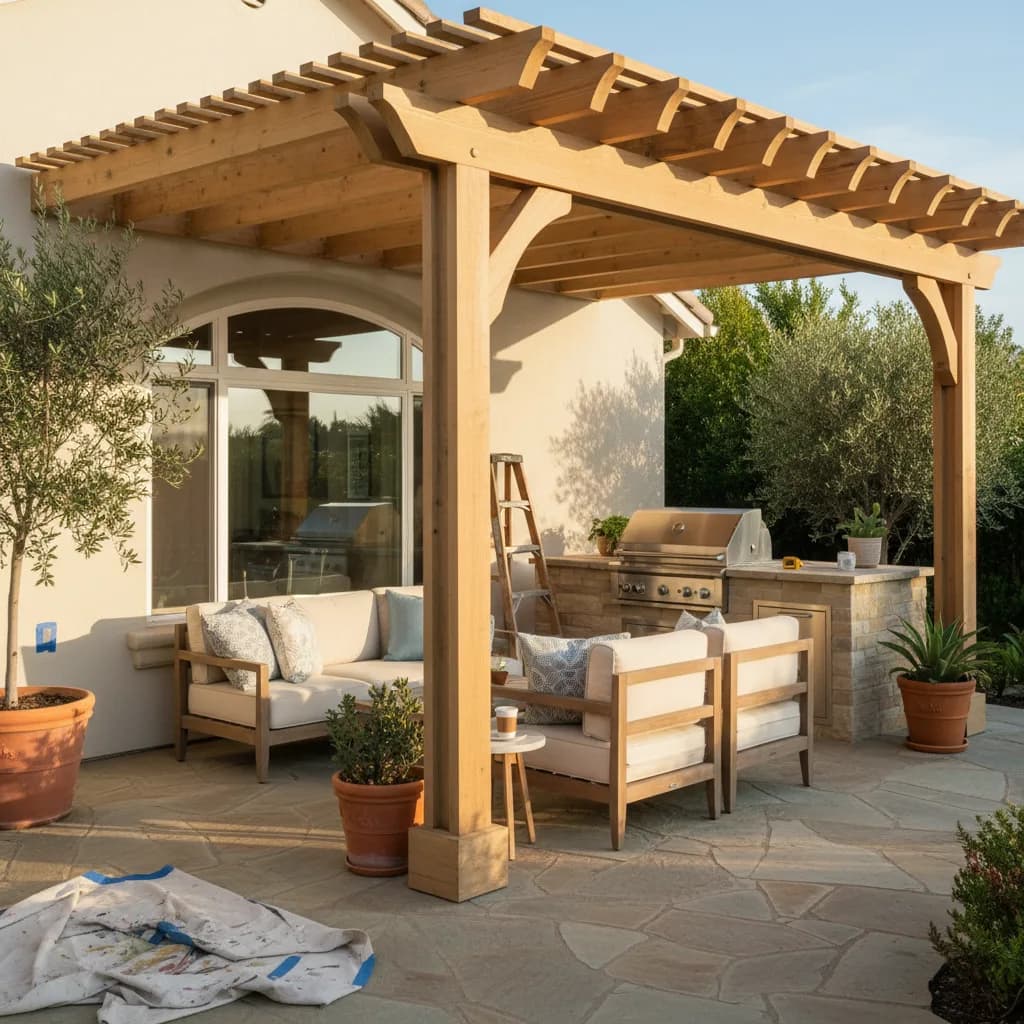
A professionally installed pergola in Orange County for 2026 will cost between $18,000 and $45,000 for a typical project. The final price tag for a high-end, automated louvered system with integrated utilities can easily exceed $90,000. While the pergola orange county cost can start lower, around $8,500 for a basic, pre-fabricated kit installed on an existing patio, most homeowners find their all-in budget lands squarely in the mid-range once site prep, electrical, and permitting are factored in. The structure is only one part of the equation.
In a Nutshell
- Total Cost Range: $8,500 to $95,000+
- Mid-Range Project Average: $22,000 - $45,000
- Typical Timeline: 4 to 10 weeks from design approval to final inspection.
- Biggest Surprise Line Item: The cost to run electrical and gas lines for heaters, fans, and lighting, often adding $4,000 to $9,000.
What does a pergola actually cost in Orange County in 2026?
The cost of an Orange County pergola varies widely based on material, size, and features like automated louvers or integrated utilities. We've broken down the pricing into three common tiers homeowners can expect.
| Tier | Cost Range | Typical Scope |
|---|---|---|
| Basic | $12,000, $22,000 | Standard size (10'x12') Alumawood or vinyl kit, freestanding, no electrical, installed on existing concrete slab with standard footings. |
| Mid-Range | $25,000, $55,000 | Custom-sized (12'x16') Western Red Cedar or premium aluminum, attached to house, integrated LED lighting and ceiling fan, new concrete footings. |
| Premium | $60,000, $95,000+ | Large (16'x20') automated louvered system from a brand like StruXure or Azenco, integrated infrared heaters, fans, motorized screens, and a dedicated electrical subpanel. |
For a typical mid-range $35,000 pergola project, the budget allocation is roughly:
- Materials (structure, hardware, roofing): 45% ($15,750)
- Labor (installation, electrical, site prep): 35% ($12,250)
- Permits, Engineering, and Design: 10% ($3,500)
- Contractor Overhead and Profit: 10% ($3,500)
The bottom-of-the-range $8,500 project is almost always a small, simple DIY kit from a big-box store that a handyman assembles on a pre-existing patio. It rarely includes the solid engineering, footings, or permitting required for a permanent, attached structure, which is what most homeowners seek from a professional pergola contractor in Orange County.
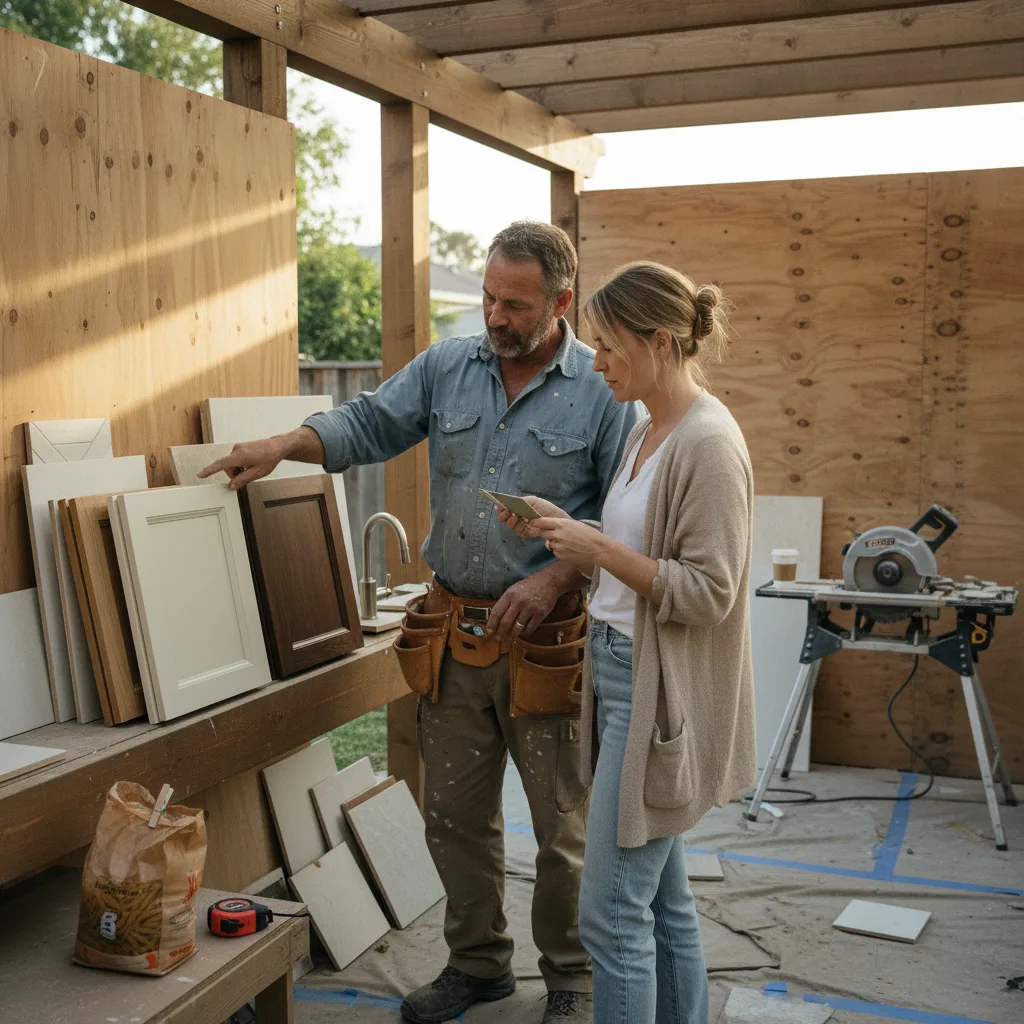
Why is a pergola more expensive in Orange County?
The pergola orange county 2026 price tag is influenced by a combination of high local costs, demanding coastal conditions, and stringent municipal codes. Three factors have the biggest impact on your final quote.
1. Skilled Labor Rates
General construction labor is expensive in Southern California, but the specialized trades required for a high-quality pergola, like electricians and carpenters, command a premium. According to the California Department of Industrial Relations prevailing wage data for Orange County, skilled labor rates are among the highest in the state. This demand means a reliable pergola contractor in Orange County has significant labor overhead that is passed on to the homeowner.
2. Coastal Engineering and Material Requirements
Proximity to the ocean imposes a heavy tax on outdoor structures. In coastal cities like Newport Beach and Laguna Beach, pergolas require specific wind-load engineering, often for a 110 mph design wind speed, compared to the standard 90 mph spec sufficient for inland areas. This necessitates larger footings and more solid connections., the salt air requires corrosion-resistant materials like powder-coated aluminum and 316 stainless steel hardware, which carry a significant cost premium over standard galvanized steel.
3. Strict Permitting and Neighborhood Premiums
Orange County municipalities are known for their rigorous permitting and design review processes. Cities like Irvine have specific aesthetic guidelines that can dictate material and color choices. On top of municipal hurdles, many planned communities from Yorba Linda to Coto de Caza have powerful Homeowners Associations (HOAs) with their own architectural review committees, adding time, fees, and design constraints to the project. Contractors price in the administrative headache of navigating these dual layers of bureaucracy.
What do real Orange County homeowners spend in 2026?
Ready to compare vetted project options?
Use Project Match privately when your scope is clear enough for contractor conversations.
Start Project MatchThree representative projects from 2026, scoped similarly, reconstructed from Golden Yards Magazine's invoiced project network and presented here in aggregate form:
- Irvine, Woodbridge: A 12-foot by 14-foot attached Western Red Cedar pergola was added over an existing paver patio. The project included new concrete footings, a single ceiling fan, and four recessed LED lights. The homeowner's primary challenge was matching the stain to the HOA's approved color palette. The total project cost, including electrical and permits, was $38,500.
- Newport Beach, Corona del Mar: This project involved a 16-foot by 18-foot freestanding louvered aluminum pergola from Equinox. Due to its coastal location, it required upgraded stainless steel hardware and enhanced footings specified by a structural engineer. It featured two built-in infrared heaters, a wind sensor for automatic louver closing, and motorized privacy screens. The all-in cost was $72,000.
- Anaheim Hills: To cover a new outdoor kitchen, this homeowner opted for a large 14-foot by 20-foot wood-look aluminum pergola from Alumawood. The design was attached to the house and required a licensed electrician to run a new circuit for lighting and two outdoor outlets. The project was completed in seven weeks for a total of $49,000.
Where does the money actually go? The hidden costs
The initial quote for the structure often omits critical supporting services. When budgeting for your orange county pergola, be prepared for these line items that frequently appear on the second or third invoice.
- Structural Engineering Plans: Required for any permitted pergola, especially those attached to the house or in high-wind zones. Budget: $1,500 - $3,500.
- City and County Permit Fees: These administrative costs cover plan review and inspections. Budget: $800 - $2,000.
- Electrical Subpanel Upgrade: If you're adding heaters, a fan, and extensive lighting, your main panel might not have the capacity. A new 60-amp subpanel is a common requirement. Budget: $2,500 - $4,000.
- Gas Line Extension: For built-in infrared or natural gas heaters, a plumber must extend a dedicated line. The gas line upsize from 1/2 inch to 3/4 inch is rarely in the first quote. Budget: $1,800 - $3,000.
- Upgraded Concrete Footings: Poor soil conditions or the weight of a heavy structure can necessitate deeper or wider concrete footings than standard. Budget: $1,200 - $2,800.
- Integrated Drainage: Louvered systems require internal gutters and downspouts to be tied into the property's drainage system to prevent pooling on the patio. Budget: $900 - $2,200.
- HOA Review and Application Fees: Your Homeowners Association will likely charge a fee to review and approve your plans. Budget: $300 - $750.
- Demolition and Haul-Away: If the new pergola is replacing an old structure, budget for its removal and disposal. Budget: $750 - $1,800.
What stops an Orange County pergola project from running over budget?
Budget overruns on outdoor projects are common, but they typically stem from a few predictable sources. Awareness is the first step to keeping your project on track.
1. Unforeseen Site Conditions: The most common issue is discovering unexpected obstacles during excavation for footings. This can include hitting unmarked utility lines, encountering a high water table, or finding expansive clay soil that requires deeper, engineered footings. This is where a contingency fund is critical.
2. Scope Creep: It's easy to add features once the project is underway. Deciding to add infrared heaters, a ceiling fan, or motorized screens after the initial contract is signed will not only add material costs but also trigger expensive change orders for labor, electrical, and potentially re-permitting. Lock in your full scope before work begins.
3. Material and Finish Upgrades: A quote for a standard Alumawood pergola can quickly inflate if you switch to a premium powder-coat finish, upgrade to a hardwood like ipe, or choose a high-end louvered system mid-project. Finalize all material selections before signing the contract. The National Association of Home Builders recommends a ten to fifteen percent contingency on renovations in homes over thirty years old.
How much will my specific pergola cost?
Compare pergolas, patio covers and shade options in our patio and pergola planning guide. Use your desired dimensions, materials and features to prepare a written scope before requesting a site-specific quote.
What should your Orange County contractor include in the quote?
A detailed, itemized quote is the sign of a professional contractor. Vague, one-page bids are a red flag. Your proposal should clearly list the following fourteen items:
- Detailed scope of work, including exact dimensions and location
- Specific materials to be used (e.g., "Western Red Cedar, select tight knot grade" or "StruXure X louvered system, Model 6, Tiger Drylac 'Signal White' finish")
- Cost of structural engineering and design plans
- All costs associated with pulling city/county permits
- Site preparation, including any demolition, grading, or trenching
- Footing excavation and concrete pour specifications
- Labor costs for assembly and installation
- Itemized costs for all electrical work (lighting, fans, heaters, outlets)
- Itemized costs for any gas line plumbing for heaters
- Integrated drainage system components and connection
- Cleanup and debris removal plan
- Project timeline with start and estimated completion dates
- Payment schedule
- Warranty information for both materials and labor
For more details on navigating the municipal process, see our complete Orange County pergola permit playbook for 2026.
Golden Yards Take
After analyzing hundreds of pergola projects, the most common budgeting failure isn't underestimating the structure; it's forgetting to budget for the systems that make it a comfortable living space. Homeowners fixate on the cost per square foot of the aluminum or wood, but the real budget surprises come from the infrastructure. The electrical capacity for a fan and lights, the dedicated gas line for heaters that make it usable on a cool evening, and the engineered footings that keep it standing in a Santa Ana wind, these are the items that separate a simple shade structure from a true outdoor room. Budget for the pergola as a complete system, not just a kit of parts, and you’ll avoid the sticker shock that trips up so many of your neighbors.
Sources & Methodology
See the Golden Yards Methodology for how sources are reviewed, ranges are normalized, and planning-data limits are handled.
Cost ranges in this guide draw on the following named industry sources, public agency datasets, and Golden Yards Magazine editorial research.
- California Department of Industrial Relations, Prevailing Wage Determinations for Orange County (2026)
- National Association of Home Builders (NAHB), Home Building Geography Index (Q4 2025)
- City of Irvine, Community Development Department, Building & Safety Division (2026)
- California Contractors State License Board (CSLB), Licensee Survey Data (2025)
- North American Deck and Railing Association (NADRA) (2026)
- Golden Yards Magazine, Editorial Project Database and Costing Methodology (2026)
Ready to start your pergola project?
Find My ProsFrequently Asked Questions
Do I need a permit for a pergola in Orange County?
Yes, you will most likely need a permit for a new pergola in Orange County. Generally, any detached structure over 120 square feet or any structure attached to your home requires a permit. This process ensures the design meets safety codes. Rules vary by city, from Anaheim to San Clemente.
The 120-square-foot rule is a common threshold based on the California Residential Code. Attached pergolas are treated as an extension of the house, so they always require permits and inspections to ensure structural integrity and wind resistance. Each city within Orange County has its own specific requirements. A qualified pergola contractor in Orange County will typically handle the entire permitting process, including submitting engineered plans and coordinating with city inspectors, as part of their service.
Which is better for an Orange County pergola: wood or aluminum?
Aluminum is better for an Orange County pergola if you prioritize low maintenance and durability, especially in coastal areas. It won't warp or crack. Wood, like Western Red Cedar, offers a classic look but requires sealing every two to three years and is susceptible to termites, making its long-term cost higher.
The best material for your Orange County pergola depends on your goals. Powder-coated aluminum, such as Alumawood, offers excellent durability in coastal locations where salt air can degrade wood. This material does not warp, crack, or need re-staining, making it a low-maintenance option.
In contrast, wood like Western Red Cedar provides a traditional, natural appearance. However, it requires consistent upkeep, including cleaning and sealing every two to three years to protect it from sun and moisture. Wood is also vulnerable to termite damage. While wood materials may be cheaper initially, the long-term maintenance costs can close the price gap with aluminum over the structure's life.
How much more does an automated louvered pergola cost?
An automated louvered pergola typically costs 50% to 150% more than a traditional fixed-roof version. This premium covers the motor, controls, and sensors. For a 12-foot by 16-foot space, a mid-range cedar pergola costing $35,000 compares to a louvered system from StruXure or Equinox at $55,000 to $75,000.
The significant price increase reflects a major upgrade in functionality. The higher cost includes the complex mechanical system of louvers, the motor, remote controls, and often integrated rain and wind sensors. For a standard 12-foot by 16-foot space, a $35,000 cedar pergola is a simple shade structure. In contrast, a comparable louvered system from a brand like StruXure or Equinox, costing $55,000 to $75,000, creates an all-weather outdoor room with precise control over sun, shade, and rain.
Can a new pergola add value to my home?
Yes, a professionally installed pergola can add significant value to your Orange County home. A 2026 Cost vs. Value report from Remodeling Magazine would likely estimate a 60% to 80% return on investment. High-quality outdoor living space is a major selling point for buyers in the Southern California market.
The key is creating a functional and attractive space that feels like a natural extension of the home. While you may not recoup 100% of the cost, a premium louvered system that creates a true all-season outdoor room will add more perceived value than a basic shade kit. This improvement enhances curb appeal and, more importantly, the usability of the backyard. This is a lifestyle feature that Orange County buyers are willing to pay for.