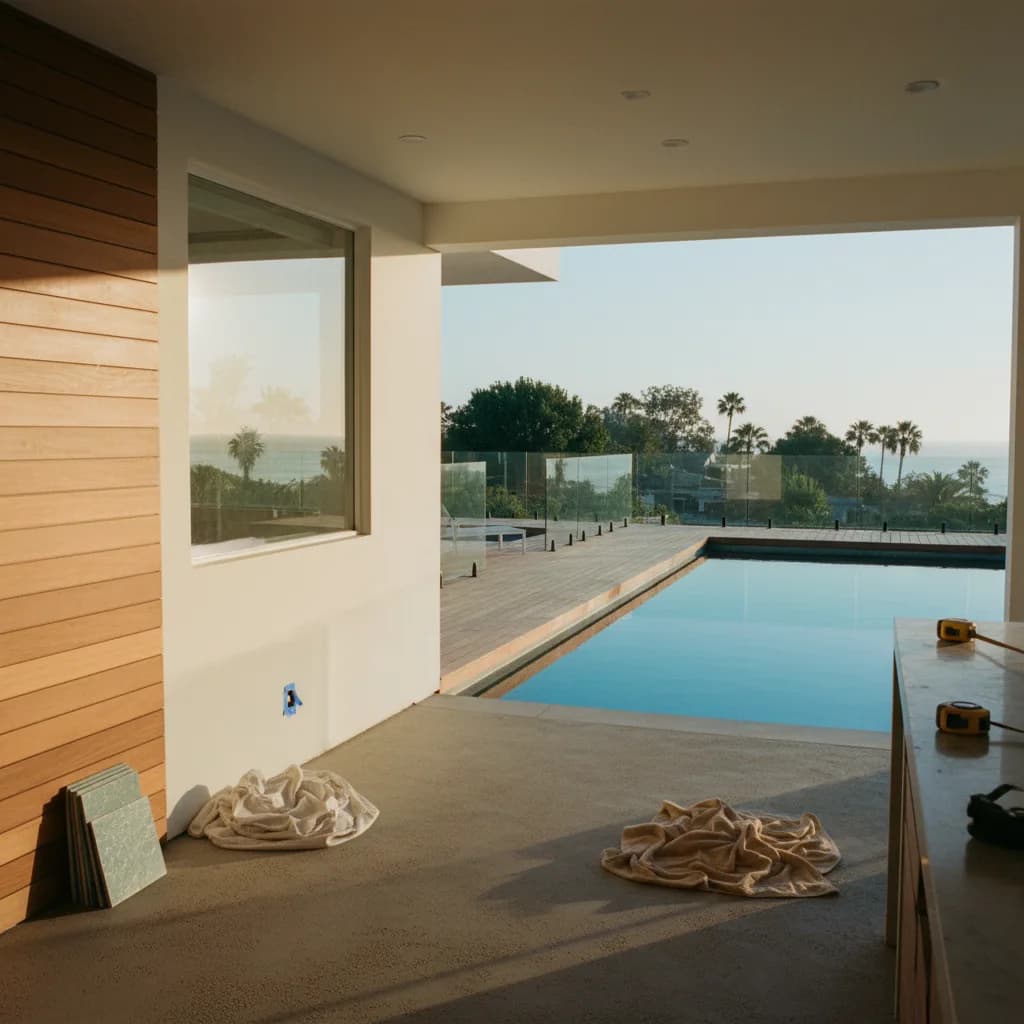
Building an inground pool in Santa Monica is a 24 to 38-week journey from the first design sketch to the first cannonball. The actual construction is surprisingly fast. The variable that stretches the timeline is Santa Monica's dual-jurisdiction permitting process. For any home west of Lincoln Boulevard, your plans must clear not just the city's Planning and Community Development department, but also the California Coastal Commission. This adds a solid eight to twelve weeks of review that homeowners in inland neighborhoods like Mar Vista or Sherman Oaks simply don't face. An inground pool in Santa Monica for 2026 isn't just a construction project; it's an exercise in regulatory patience.
In a Nutshell
- Total Timeline: 24 to 38 weeks on average for an inground pool in Santa Monica.
- The Four Phases: The project breaks down into four distinct stages: Design and Permits (8-16 weeks), Site Prep and Foundation (2-4 weeks), Construction Scope (6-10 weeks), and Finishes and Final Inspection (4-8 weeks).
- Biggest Delay Risk: California Coastal Commission (CCC) review. If your property is in the coastal zone, expect a longer, more scrutinized permit phase than in any other part of Los Angeles.
- Budget Contingency: Plan for the unexpected. A 10 to 15 percent contingency fund is essential for surprise soil conditions or mid-project material price hikes. This isn't just advice; it's a financial necessity.
Phase 1: Design and Permits (weeks 1, 16)
This is the planning and paperwork phase, and it’s often the longest part of a Santa Monica inground pool project. It feels slow because nothing is happening in your yard, but this is where the project is won or lost. Your designer or architect creates the construction documents, including structural engineering for the pool shell and a drainage plan. Your contractor or a dedicated permit expediter submits this package to the City of Santa Monica Planning and Community Development department. For most of Santa Monica, this is a straightforward process. However, if you are in the Coastal Zone, the plans also go to the California Coastal Commission for a separate review, which can add months and require additional reports or design modifications. You'll also need a plan demonstrating compliance with the state's Model Water Efficient Landscape Ordinance (MWELO), which dictates the use of drought-tolerant plants and efficient irrigation around the new hardscape.
Phase 2: Site Prep and Foundation (weeks 17, 20)
Once you have permits in hand, the physical work begins. This phase is about preparing the canvas. First, the pool's outline is painted on the ground. Then, heavy equipment arrives for excavation. An inground pool contractor in Santa Monica will always require a geotechnical (soils) report before digging to understand the sandy, coastal soil composition and check for a high water table. During this phase, trenches are dug for plumbing and electrical conduit. This is also when the hidden costs often appear. Your contractor will verify that your existing utilities can handle the new load. A new pool heater and pump often require a gas line upsize from a 1/2-inch to a 3/4-inch or 1-inch line, a job handled by a SoCalGas-certified plumber. Likewise, the pool equipment may demand a new 60-amp or 100-amp electrical subpanel, a task for Southern California Edison to approve.
Phase 3: Construction Scope (weeks 21, 30)
Ready to compare vetted project options?
Use Project Match privately when your scope is clear enough for contractor conversations.
Start Project MatchWith the hole dug and trenches in place, the pool starts to take shape. This phase is a rapid sequence of specialized trades, each one triggering a city inspection. First, a complex web of steel rebar is tied into place, forming the pool's skeleton. After the rebar and plumbing pass inspection, the gunite or shotcrete crew arrives to spray the concrete shell, which then cures for several weeks. Following the cure, tile setters install the waterline tile and any decorative features. Masons then set the coping, which is the stone or concrete edge of the pool. This is the most visible part of the build, and for homeowners, it's the most exciting stage. Each step, from the pre-gunite plumbing inspection to the final steel bonding check, must be signed off on the city's inspection card before the next trade can begin work on your Santa Monica inground pool.
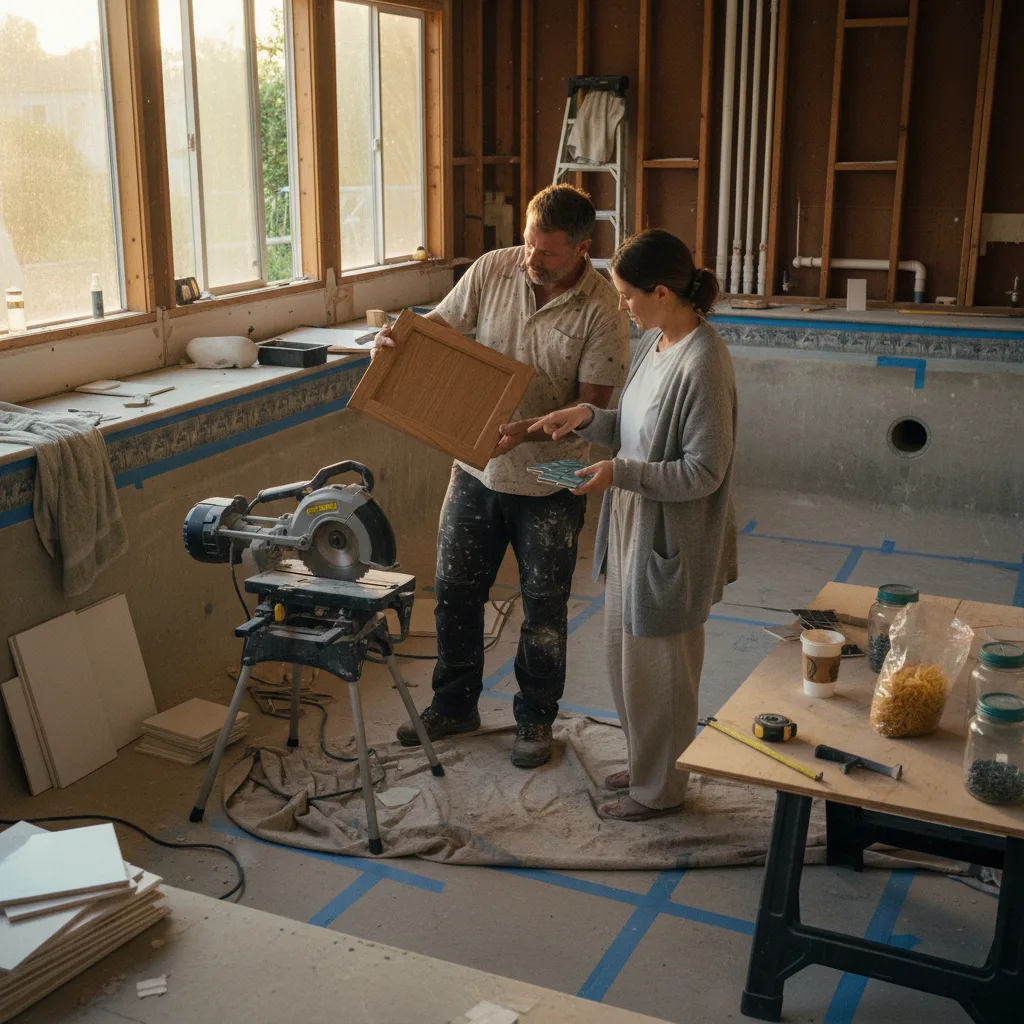
Phase 4: Finishes and Final Inspection (weeks 31, 38)
The final phase brings the project to life. Carpenters and masons build the deck, whether it's poured concrete, pavers, or wood. Landscape contractors install the MWELO-compliant planting and irrigation around the pool area, carefully creating hydrozones based on sun exposure and plant water needs. Once the deck is complete and the surrounding area is clean, the plaster crew applies the final waterproof interior finish to the pool shell. After plastering, the pool is immediately filled with water. The last major step is installing the equipment pad: a Pentair Intelliflo VSF variable-speed pump, a MasterTemp heater, and a Jandy AquaPure salt chlorine generator are common choices. The final city inspection verifies all safety features required by California law, including door alarms, a safety cover, and code-compliant fencing with self-latching gates. Once this is signed off, the project is complete.
Three Representative Projects from 2026
Three representative California projects from 2026, scoped similarly, reconstructed from Golden Yards Magazine's invoiced project network and presented here in aggregate form:
- North of Montana, Santa Monica: A 15x30 foot rectangular pool with an integrated spa, extensive travertine decking, and a Lynx 36-inch Sedona built-in grill. The project required significant structural engineering and a lengthy California Coastal Commission review. Total Cost: $245,000. Total Weeks: 38.
- Mar Vista, Los Angeles: A 12x25 foot plunge pool with a simple broom-finish concrete deck and solar heating. The permitting process through LADBS was straightforward, with no coastal review. The budget focused on high-efficiency equipment. Total Cost: $155,000. Total Weeks: 26.
- Pacific Palisades, Los Angeles: A complex freeform pool on a hillside lot requiring 40 yards of retaining walls and deep caissons. The design included an infinity edge and an automated pool cover. The inground pool santa monica cost was driven by engineering and site work. Total Cost: $320,000. Total Weeks: 44.
What Can Compress This Timeline
While you can't control the city's plan checkers, you can influence the schedule. First, be decisive. Have all your finish materials, like tile, coping, and decking, selected before construction begins. Waiting on homeowner decisions is a common source of delay. Second, hire a professional permit expediter who knows the Santa Monica and Coastal Commission staff and processes. Their expertise can shave weeks off the permitting phase. Third, ensure your contractor has a detailed, week-by-week schedule and holds regular site meetings. Clear communication prevents misunderstandings and keeps the project moving. An organized client and a proactive contractor are the best combination for an efficient build.
What Blows It Up
Three things reliably derail a pool timeline. The first is change orders. Deciding to add a spa or change the decking material mid-project can trigger a cascade of delays, sometimes even requiring a permit revision. Second is discovering unforeseen site conditions, like a high water table or undocumented fill soil, which can require costly engineering solutions and halt work for weeks. The third, specific to this area, is an appeal or request for further review from the California Coastal Commission. The National Association of Home Builders recommends a ten to fifteen percent contingency on renovations in homes over thirty years old. For a new pool build, that advice is just as critical. The inground pool santa monica 2026 budget you set should always include this buffer.
What Should Be in Your Contractor's Schedule
Your contract should include a detailed project schedule with target dates. Don't accept a vague timeline. Insist on a document that includes specific line items for every phase of your santa monica inground pool project. This creates accountability and helps you track progress. For a detailed guide on what to expect during the permitting phase, review [our Santa Monica Pool Permit Playbook](/guides/santa-monica-pool-permit-playbook-2026). Your schedule should include at least the following milestones:
- Architectural & Engineering Plan Completion
- Permit Submission to City of Santa Monica
- Permit Submission to California Coastal Commission (if applicable)
- Permit Issuance
- Excavation and Rough Plumbing/Electrical
- Rebar Installation & Inspection
- Gunite/Shotcrete Application & Curing Period
- Tile, Coping, and Deck Installation
- Plaster Application and Pool Fill
- Equipment Set, Startup, and Final Inspection
Golden Yards Magazine Take
Pool contractor brochures often sell a dream of a 12-week build. That might be possible in a Texas suburb with no zoning review, but it's pure fantasy in coastal California. The realistic timeline for an inground pool in Santa Monica is six to nine months. The secret homeowners need to understand is that the physical construction is the predictable part. The paperwork, the reviews, the inspections, and the regulatory hurdles are what define the schedule. Don't anchor your expectations to the builder's best-case scenario. Instead, focus on hiring an inground pool contractor in Santa Monica who is transparent about the Coastal Commission process and builds that buffer into the timeline from day one. Patience with bureaucracy is the most important tool for this project.
Frequently Asked Questions
How long does building an inground pool in Santa Monica really take?
An inground pool build in Santa Monica typically takes between 24 and 38 weeks from design to completion. The timeline is heavily influenced by the permitting process, which is longer here than in many other cities due to the potential for review by the California Coastal Commission. The single biggest variable is the Design and Permits phase, which can last anywhere from eight to sixteen weeks, or even longer if significant revisions are required by the Coastal Commission. The actual construction phases, from excavation to final plaster, are more predictable and usually take about 16 to 22 weeks combined. Homeowners should plan for a six-to-nine-month project.
Can I use my yard during construction?
For safety and logistical reasons, your backyard will be an active and inaccessible construction zone for the duration of the project. Heavy machinery requires clear access, and open trenches, rebar, and construction materials present significant hazards. Plan on losing access to your yard entirely. Your contractor will establish a clear access path for machinery and workers, often requiring the temporary removal of a section of fence. Dust, dirt, and noise are unavoidable. It's best to prepare for this disruption by protecting indoor furniture near windows and doors and accepting that your outdoor living space will be off-limits until the final cleanup.
What's the longest single phase of a pool build?
The Design and Permitting phase is almost always the longest and most unpredictable part of building an inground pool in Santa Monica. While the combined construction phases might take 16 to 22 weeks, the upfront paperwork and review process can easily take eight to sixteen weeks on its own. This is especially true for properties within the California Coastal Zone, where plans require approval from both the city and the state. The back-and-forth with plan checkers and waiting for committee reviews can feel endless, but it's a standard part of the process. In contrast, the physical build, while intense, moves along a much more structured and predictable schedule.
Can I fast-track the permits for my Santa Monica pool?
You cannot pay to speed up the city or state's review timeline, but you can significantly shorten the process by being exceptionally well-prepared. The fastest path to a permit is submitting a perfectly complete and code-compliant set of plans on the first try, leaving the plan checker with no questions or corrections. This is where hiring an experienced architect and a local permit expediter pays dividends. They understand the specific requirements of Santa Monica's building department and the Coastal Commission. They ensure all engineering, drainage plans, and MWELO compliance documents are correct before submission. Avoiding a lengthy correction cycle is the only real way to “fast-track” your permit.
Sources & Methodology
Golden Yards reviews public permit and code signals, material pricing, climate and site constraints, contractor quote patterns, comparable projects, the Golden Yards Cost Index, and the Golden Yards Methodology. Cost references are planning ranges, not fixed bids.
- City of Santa Monica, Planning and Community Development Department, Building & Safety Division
- California Coastal Commission, Public Access and Permit Information
- Pool & Hot Tub Alliance (PHTA), ANSI/PHTA/ICC-7 Standard for Suction Entrapment Avoidance
- California Department of Industrial Relations, Prevailing Wage Rates for Los Angeles County, 2026
- Model Water Efficient Landscape Ordinance (MWELO), California Department of Water Resources
- National Association of Home Builders (NAHB), Remodeling Market Index (RMI), Q1 2026
- Southern California Edison, Local Planning & New Construction Services
Ready to start your pool project?
Find My ProsFrequently Asked Questions
How long does building an inground pool in Santa Monica really take?
An inground pool build in Santa Monica typically takes between 24 and 38 weeks from design to completion. The timeline is heavily influenced by the permitting process, which is longer here than in many other cities due to the potential for review by the California Coastal Commission. The single biggest variable is the Design and Permits phase, which can last anywhere from eight to sixteen weeks, or even longer if significant revisions are required by the Coastal Commission. The actual construction phases, from excavation to final plaster, are more predictable and usually take about 16 to 22 weeks combined. Homeowners should plan for a six-to-nine-month project.
Can I use my yard during construction?
For safety and logistical reasons, your backyard will be an active and inaccessible construction zone for the duration of the project. Heavy machinery requires clear access, and open trenches, rebar, and construction materials present significant hazards. Plan on losing access to your yard entirely. Your contractor will establish a clear access path for machinery and workers, often requiring the temporary removal of a section of fence. Dust, dirt, and noise are unavoidable. It's best to prepare for this disruption by protecting indoor furniture near windows and doors and accepting that your outdoor living space will be off-limits until the final cleanup.
What's the longest single phase of a pool build?
The Design and Permitting phase is almost always the longest and most unpredictable part of building an inground pool in Santa Monica. While the combined construction phases might take 16 to 22 weeks, the upfront paperwork and review process can easily take eight to sixteen weeks on its own. This is especially true for properties within the California Coastal Zone, where plans require approval from both the city and the state. The back-and-forth with plan checkers and waiting for committee reviews can feel endless, but it's a standard part of the process. In contrast, the physical build, while intense, moves along a much more structured and predictable schedule.
Can I fast-track the permits for my Santa Monica pool?
You cannot pay to speed up the city or state's review timeline, but you can significantly shorten the process by being exceptionally well-prepared. The fastest path to a permit is submitting a perfectly complete and code-compliant set of plans on the first try, leaving the plan checker with no questions or corrections. This is where hiring an experienced architect and a local permit expediter pays dividends. They understand the specific requirements of Santa Monica's building department and the Coastal Commission. They ensure all engineering, drainage plans, and MWELO compliance documents are correct before submission. Avoiding a lengthy correction cycle is the only real way to “fast-track” your permit.