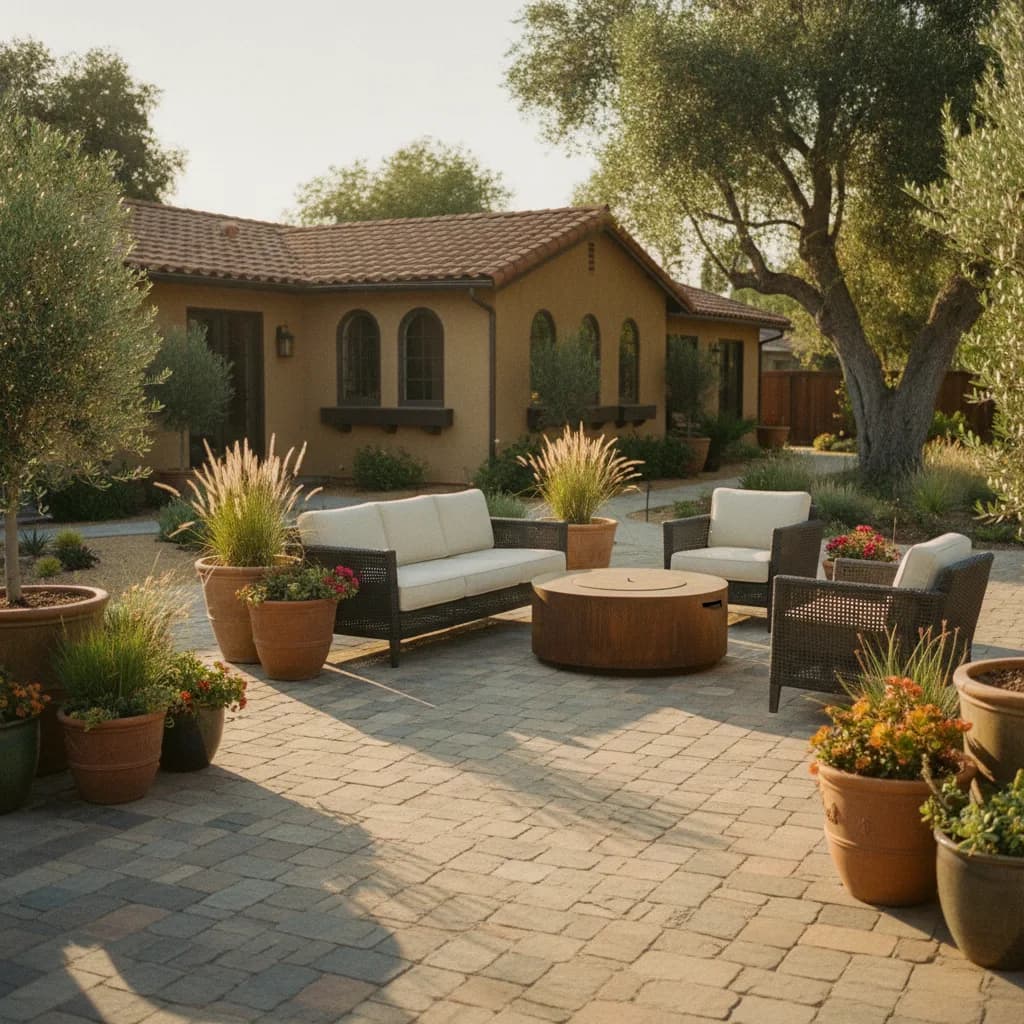
A properly installed paver patio in Riverside will cost between $25 and $45 per square foot in 2026. For a typical 600-square-foot project, that’s a total investment of $15,000 to $27,000. While some paver overlay or refresh projects on existing concrete can start lower, a full-scope installation involving excavation and base preparation will land squarely in this range. The difference between a patio that lasts five years and one that lasts twenty-five is in the subgrade, not the surface paver you choose.
In a Nutshell
- Total Cost Range: $12,000 to $55,000+
- Mid-Range Project Average: $18,000 - $30,000 for a 600-800 sq. ft. patio.
- Typical Timeline: Three to five weeks from excavation to final joint sand sweep.
- Biggest Surprise Line Item: Subgrade correction and drainage. Fixing expansive clay soil can add 15-20% to the project cost before a single paver is laid.
What does a paver patio actually cost in Riverside in 2026?
The paver patio cost in Riverside depends on three factors: material choice, site complexity, and the contractor's installation standards. A bid that seems too low often signals shortcuts in the unseen base preparation, leading to premature failure. The cost to install a paver patio is a direct reflection of the long-term quality of the build.
| Tier | Cost per Square Foot | Typical 600 sq. ft. Project | Scope & Materials |
|---|---|---|---|
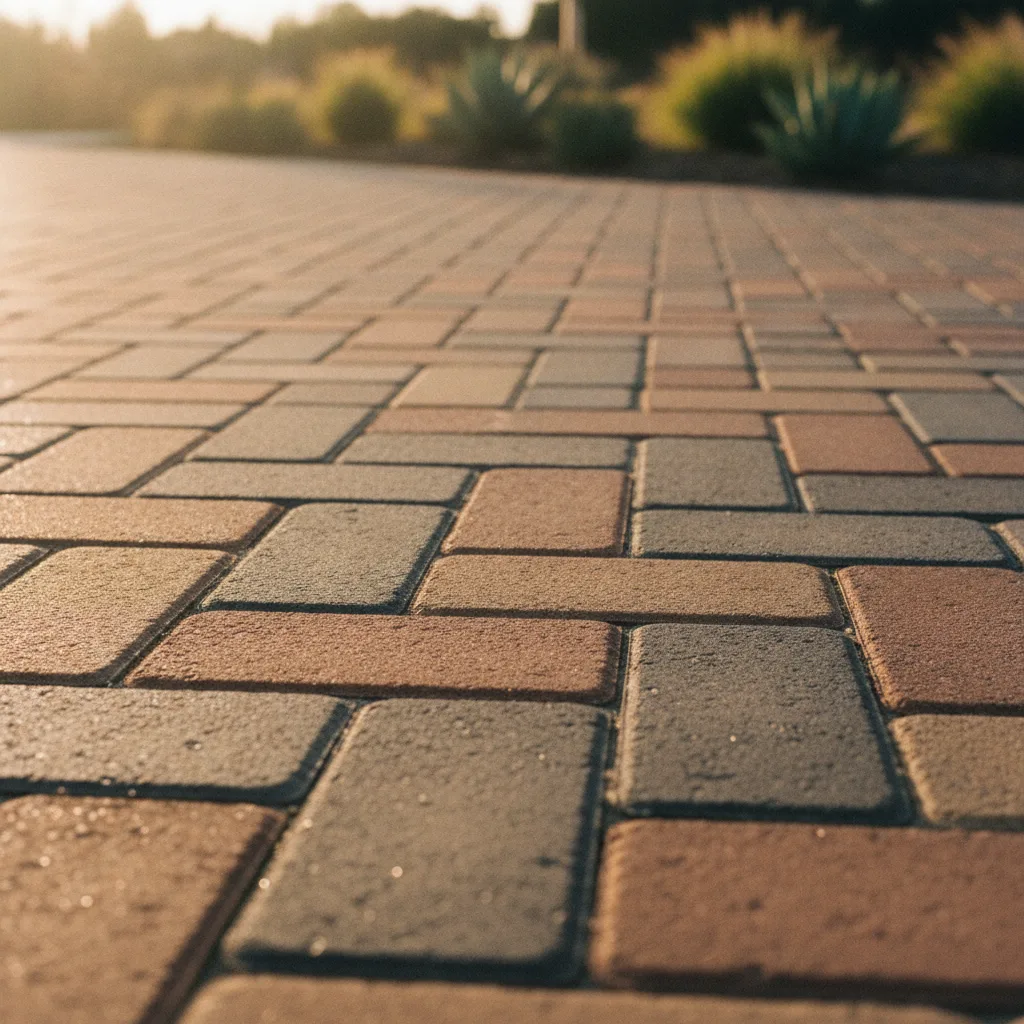
| Basic | $25 - $32 | $15,000 - $19,200 | Standard concrete pavers (e.g., Holland Stone), simple running bond pattern, minimal grading, 4-inch compacted base. Assumes stable, non-expansive soil. |
| Mid-Range | $33 - $45 | $19,800 - $27,000 | Architectural slab pavers or interlocking concrete pavers, herringbone or ashlar pattern, geotextile fabric, 6-8 inch open-graded base, polymeric sand, professional sealing. |
| Premium | $46 - $65+ | $27,600 - $39,000+ | Porcelain pavers, natural stone (travertine, bluestone), complex patterns, integrated lighting, seat walls, steps, extensive drainage systems. |
For a typical mid-range project, the budget allocation breaks down as follows:
- Labor: 45%
- Pavers & Materials: 30%
- Base Preparation (aggregate, fabric, equipment): 15%
- Overhead, Permits, Profit: 10%
The bottom-of-range projects under $25 per square foot are typically paver-over-concrete overlays, which are only viable if the existing slab is structurally sound and properly sloped. This is not a typical full installation.
Why is it more expensive in Riverside than the national average?
A paver patio installation in Riverside carries a premium due to a combination of regional labor costs, challenging soil conditions, and higher operational expenses for contractors. These factors are non-negotiable realities of building durable hardscapes in the Inland Empire.
1. Skilled Labor Rates
The primary driver is the cost of skilled labor. A qualified Riverside hardscape contractor must pay competitive wages to attract and retain certified installers. According to the California Department of Industrial Relations prevailing wage data for Riverside County, rates for operating engineers and landscape construction laborers are significantly higher than in many other states. This ensures craftsmen are trained to ICPI (Interlocking Concrete Pavement Institute) standards, but it directly impacts the project's bottom line.
2. Expansive Clay Soil Mitigation
Much of Riverside is built on expansive clay soil, which swells when wet and shrinks when dry. This is the enemy of a flat, stable patio. A proper installation requires over-excavation, often removing 10-12 inches of native soil, installing a geotextile separation layer to prevent soil migration, and building up a thick, open-graded base of #57 stone. This adds significant material, disposal, and labor costs compared to regions with sandy loam.
3. Higher Operating and Material Costs
Contractor insurance, workers' compensation, and fuel costs are all higher in California. premium hardscape materials often need to be transported from distribution centers in Los Angeles or Orange County, adding to the final paver patio cost per square foot. Projects in hillside neighborhoods like Canyon Crest or communities with larger lots like Woodcrest can also incur higher fees for material staging and equipment access.
What do real Riverside homeowners spend in 2026?
Ready to compare vetted project options?
Use Project Match privately when your scope is clear enough for contractor conversations.
Start Project MatchThree representative projects from 2026, scoped similarly, reconstructed from Golden Yards Magazine's invoiced project network and used here in aggregate form:
- Orangecrest ($23,500): A 650-square-foot patio using Belgard interlocking pavers was installed in a backyard with moderate clay soil. The project required 8 inches of excavation, a geotextile liner, and a 6-inch compacted base. The cost included a small channel drain tied into existing landscape drainage to handle monsoon-season runoff.
- Woodcrest ($29,000): This 700-square-foot project featured higher-end Angelus pavers in a complex ashlar pattern with a soldier course border. The site had significant expansive soil issues, requiring 12 inches of soil export and a thicker, engineered base. The price also reflected more difficult site access on a larger property.
- Canyon Crest ($36,000): A 600-square-foot patio using porcelain pavers on a pedestal system. The higher cost was driven by the premium material and the additional labor for a raised system on a sloped lot. The scope also included building a low, 18-inch-high concrete block seat wall faced with matching veneer stone.
Where does the money actually go?
The final invoice from your Riverside hardscape contractor includes more than just the pavers and the crew's time. These line items are critical for a lasting installation but are often overlooked in initial homeowner estimates.
- Demolition and Haul-Away ($1,500 - $4,000): Removal of an old concrete slab or existing landscape. Cost depends on thickness, access, and disposal fees.
- Site Grading and Excavation ($2,000 - $5,000): Creating the correct slope (a minimum 1/4 inch per foot) and excavating native soil to the required depth.
- Subgrade Compaction ($800 - $1,500): Using a plate compactor to achieve 95 percent Modified Proctor density, ensuring the ground itself won't settle.
- Geotextile Separation Fabric ($500 - $1,200): A non-woven fabric laid between the subgrade and the base rock to prevent the two from mixing over time. This is non-negotiable in clay soils.
- Drainage System ($1,800 - $6,000): Installation of channel drains, French drains, or catch basins to manage water and prevent it from saturating the subgrade.
- Permit Fees ($600 - $1,800): City of Riverside permit costs for grading and construction, especially if the patio is attached to the house or includes a cover.
- Edge Restraints ($700 - $1,500): Heavy-duty plastic or concrete edging, secured with 10-inch steel spikes, to keep the pavers from shifting laterally.
- Paver Sealing ($800 - $2,000): Application of a quality penetrating sealer to protect against stains and UV fading from the intense Riverside sun.
What stops a Riverside paver patio from running over budget?
Budget overruns on hardscape projects are almost always caused by surprises below the surface or changes made after work has begun. A clear plan and a contingency fund are the best defense.
1. Undocumented Utilities or Poor Soil: The most common surprise is discovering unmarked irrigation lines, old septic components, or a pocket of exceptionally poor soil that requires deeper excavation and engineered fill. A contractor can't see through the ground, so these are true unforeseen conditions.
2. Mid-Project Scope Creep: A homeowner asking to add a walkway, a set of stairs, or a fire pit area after the initial plan is agreed upon will always increase costs. These additions require re-planning, more materials, and additional labor, disrupting the project's flow and budget.
3. Inadequate Drainage Planning: Realizing after the first rain that water is pooling against the foundation is a costly mistake. Retrofitting a drainage system after the patio is laid is far more expensive than planning for it from the start. A good contractor will identify drainage needs during the initial site assessment. The National Association of Home Builders recommends a ten to fifteen percent contingency on renovations in homes over thirty years old.
To get a preliminary estimate based on your square footage and material choices, you can use a general hardscape cost calculator as a starting point for your budget discussions.
What should your Riverside contractor include in the quote?
A professional quote is a detailed scope of work, not a one-line price. It protects both you and the contractor. Ensure your proposal includes these specifics to verify you're getting a professional, ICPI-compliant installation.
- Scope of demolition and debris disposal.
- Excavation depth specified in inches.
- Subgrade compaction standard (should state "95% Proctor density").
- Specification of geotextile separation fabric.
- Base material type and depth (e.g., "6 inches of ASTM D2940 Class 2 aggregate").
- Bedding course material and depth (e.g., "1 inch of screeded ASTM C33 concrete sand").
- Paver manufacturer, style, and color.
- Type of edge restraint to be used (e.g., "Snap-Edge or concrete toe").
- Joint sand material (e.g., "ASTM C144 polymeric sand").
- Compaction method for setting the pavers into the bedding sand.
- Plan for site cleanup and protection of surrounding landscape.
- A statement on who is responsible for securing permits. You can learn more in our Riverside paver permit playbook.
- Detailed payment schedule.
- Warranty information on both materials and labor.
Golden Yards Take
The single biggest mistake a homeowner can make is choosing a contractor based on the lowest bid. In the hardscape world, a low price is almost always achieved by cutting corners on the base preparation. The contractor saves a day of labor and a few hundred dollars on aggregate by excavating four inches instead of eight. They skip the geotextile fabric. The patio looks great on day one. But by the third winter, after the expansive clay soil has swelled and shrunk, the pavers will start to shift, dip, and separate. The callback isn't for one broken paver; it's for a systemic failure of the entire installation. Pay for the base. Invest in the unseen foundation. The long-term paver patio cost is determined before the first paver is ever laid.
Sources & Methodology
Cost ranges in this guide draw on the following named industry sources, public agency datasets, and Golden Yards Magazine editorial research.
- California Department of Industrial Relations, Riverside County Prevailing Wage Data (2026)
- City of Riverside Building & Safety Division, Permit Guidelines (2026)
- Interlocking Concrete Pavement Institute (ICPI), Tech Spec 2 (2025)
- National Association of Home Builders (NAHB), Remodeling Market Index (Q1 2026)
- California Contractors State License Board (CSLS), Industry Statistics (2025)
- Golden Yards Magazine, Editorial Project Cost Database (2023-2026)
Sources & methodology
How Golden Yards builds this guide
Golden Yards reviews public permit and code signals, material pricing, climate and site constraints, contractor quote patterns, comparable projects, the Golden Yards Cost Index, and the Golden Yards Methodology. Cost references are planning ranges, not fixed bids.
- Benchmarked against the Golden Yards Cost Index and related project guides.
- Reviewed for California climate, water, fire, drainage, access, and permit context.
- Commercial Project Match is separate from editorial cost guidance.
Ready to start your driveway project?
Get matched with 2-3 vetted California contractors. 100% free, no obligation.
Find My Pros