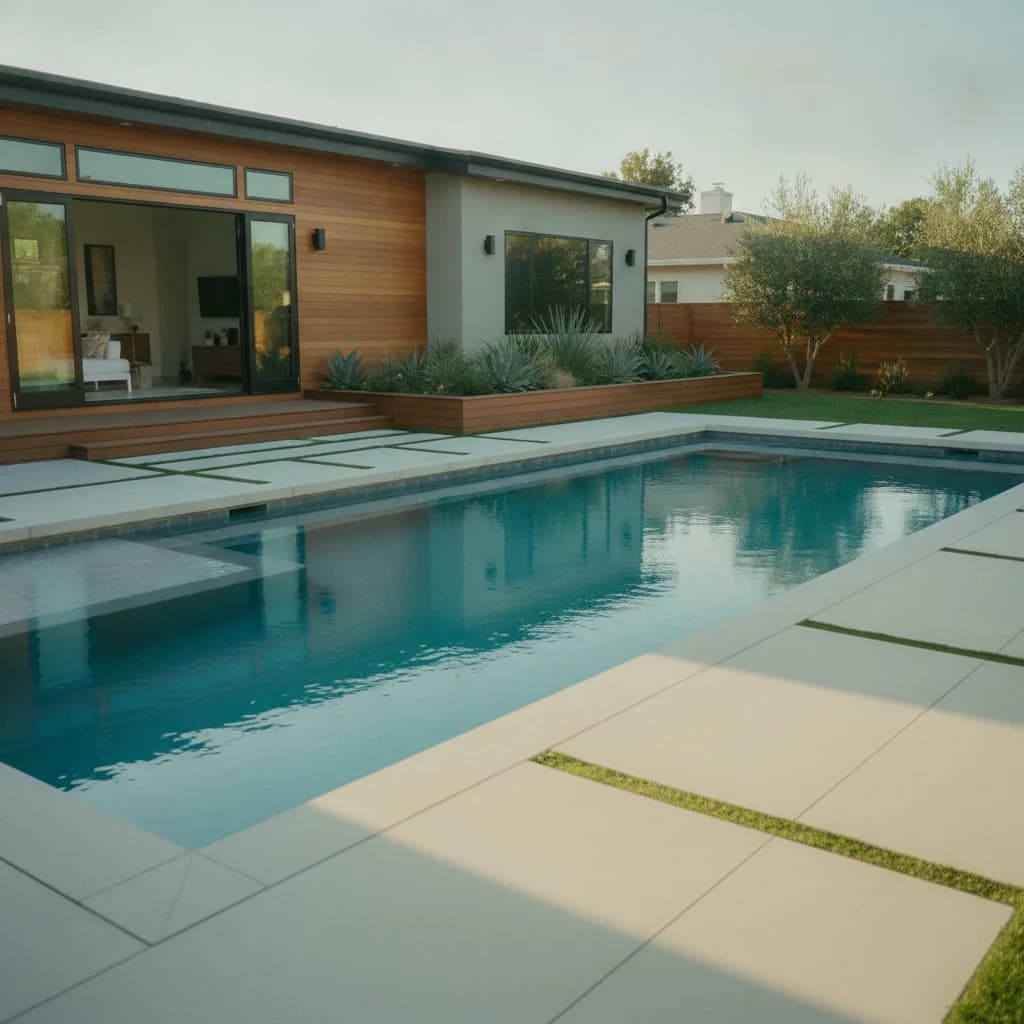
A new inground saltwater pool in San Jose for 2026 typically costs between $95,000 and $160,000 for a standard project. While some basic pool packages can start lower, particularly for small-lot homes or simple refreshes of existing concrete shells, this range reflects a complete installation including the gunite shell, coping, deck, and a mid-tier equipment pad. The real budget story, however, is written in the site-specific costs that most initial quotes omit: the electrical subpanel upgrade, the gas line extension for a heater, and the mandatory water-efficient landscaping to comply with California's state-wide ordinances.
In a Nutshell
- All-In San Jose Saltwater Pool Cost (2026): Expect to pay $95,000 to $160,000 for a new gunite pool. High-end projects with automation, custom water features, and extensive hardscaping can exceed $250,000.
- Project Timeline: Plan for a six to nine-month process from design to first swim. This includes four to six weeks for design and engineering, another six to eight weeks for permitting with the City of San Jose, and four to six months for construction.
- Key Hidden Costs: Budget an additional $12,000 to $25,000 for non-pool items. This covers the 60-amp electrical subpanel ($2,500), potential gas line upsizing for a heater ($2,000), a geotechnical soil report for expansive clay ($3,000), and MWELO-compliant landscaping ($5,000+).
- Saltwater System Premium: The saltwater chlorine generator itself adds about $1,200 to $2,000 to the equipment cost compared to a traditional chlorine system, a premium that has decreased significantly in recent years.
Why a Saltwater Pool in San Jose Makes Sense for 2026
For many homeowners in neighborhoods from Willow Glen to Almaden Valley, a saltwater pool is the default choice for new construction. The primary appeal is the water quality. Salt systems use electrolysis to convert a low concentration of salt into chlorine, resulting in softer, silkier water that's less harsh on skin, eyes, and swimsuits. This process provides a more stable, lower level of chlorine, reducing the chemical odor and handling associated with traditional chlorine pools. While not chlorine-free, it's a more pleasant and automated way to sanitize. In a region focused on lifestyle and technology, the set-it-and-forget-it nature of a modern, automated salt system aligns perfectly with the Silicon Valley ethos.
The Real Saltwater Pool San Jose Cost: A 2026 Budget Breakdown
Understanding the cost of a saltwater pool in San Jose requires looking beyond the initial bid. The gunite shell is $65k. The deck and coping is another $28k. The equipment pad, featuring a variable-speed pump, heater, filter, and the salt chlorine generator, adds $16k to $24k. But these are just the core pool costs. The surprise expenses for San Jose homeowners often involve site prep and utilities. Grading and excavation on a sloped lot can add $8,000. A required geotechnical report to address the area's expansive clay soil is $3,000. And the utility upgrades are almost never in the first quote; budget another $2,500 for a new electrical subpanel and $2,000 for a gas line upsize to fuel a 400K BTU heater. These ancillary costs are what separate a paper budget from a real-world project.
Three Representative San Jose Projects from 2026
Ready to compare vetted project options?
Use Project Match privately when your scope is clear enough for contractor conversations.
Start Project MatchThree representative projects from 2026, scoped similarly, reconstructed from Golden Yards Magazine's Project of the Day network and used here in aggregate form:
- The Cambrian Park Starter: $105,000. A 12x24-foot rectangular pool with a simple broom-finish concrete deck. The homeowner opted for a Pentair IntelliChlor IC20 salt system and a MasterTemp 250K BTU heater, sufficient for the smaller water volume. The budget included a necessary $2,200 for a new 60-amp subpanel, but they avoided major landscaping costs by using pre-approved, low-water plants around the perimeter.
- The Willow Glen Entertainer: $158,000. This project featured a 15x30-foot freeform pool with a Baja shelf and pre-cast concrete paver decking. The equipment pad was upgraded to include a Pentair IntelliFlo VSF pump and an IntelliChlor IC40 generator, fully automated with a Pentair EasyTouch system. The project also included a gas line extension for a future outdoor kitchen grill, adding $1,800 to the plumbing scope.
- The Almaden Valley Retreat: $245,000. A comprehensive backyard renovation centered on a 16x35-foot pool with an integrated spa. The cost included premium upgrades like PebbleTec surfacing, travertine coping, and an automated pool cover. The budget also accounted for a $4,500 soil engineering fee due to highly expansive soil and $15,000 for a full MWELO-compliant landscape plan with hydrozoned irrigation and extensive drought-tolerant plantings.
Step 1: Define Your Scope and Hydrozone Plan
Before you contact a single saltwater pool contractor in San Jose, start with your own plan. Determine the ideal size and shape of your pool, its location in your yard, and how it will integrate with patios, walkways, and planting areas. This initial vision is critical for developing a realistic budget. As part of this, you must develop a basic hydrozone plan, grouping plants by their water needs as required by the Model Water Efficient Landscape Ordinance (MWELO). This means separating any small patch of turf from low-water perennial beds.
Why: A clear scope and water-use plan prevents costly design changes mid-project and ensures your project is compliant from day one.
Watch out for: Forgetting to account for the legally required safety fencing or barriers, which can significantly impact your layout and budget.
Step 2: Vet Your Saltwater Pool Contractor in San Jose
Choosing the right builder is the most important decision you'll make. Seek out licensed contractors (C-53 Swimming Pool Contractor) with extensive experience building in Santa Clara County. Check their license on the Contractors State License Board (CSLB) website, verify their insurance, and ask for at least three recent, local references you can call. A reputable san jose saltwater pool contractor will provide a detailed, line-item bid that clearly separates costs for excavation, steel, gunite, plumbing, electrical, tile, coping, and equipment. For a complete guide on what to expect from the city's plan review, see our [San Jose saltwater pool permit playbook for 2026](/guides/san-jose-saltwater-pool-permit-playbook-2026).
Why: An experienced local contractor understands San Jose's specific challenges, from soil conditions to the permitting process at the San José Permit Center.
Watch out for: Any builder who suggests skipping permits or a soil report; this is a major red flag that signals a disregard for safety and legal standards.
Step 3: Engineer for San Jose's Expansive Clay Soil
Much of San Jose and the Santa Clara Valley is built on expansive clay soil, which swells when wet and shrinks when dry. This shrink-swell cycle exerts immense pressure on rigid structures like a gunite pool shell, potentially causing cracks and leaks. Consequently, most pool projects in the area require a geotechnical (soils) report. An engineer will analyze soil samples and provide specific recommendations for your pool's foundation, which might include deeper footings, additional structural steel (rebar), or other stabilization measures to protect your investment.
Why: Properly engineering the pool shell for local soil conditions is the only way to prevent structural failure and ensure the long-term integrity of your pool.
Watch out for: Assuming your property is exempt. Even if a neighbor didn't need a report years ago, building codes and geological assessments have become more stringent.
Step 4: Select Your Equipment Pad Components
The equipment pad is the engine room of your pool. For a saltwater system, three components are key: the pump, the heater, and the salt chlorine generator (SCG). Opt for a high-quality, variable-speed pump like a Pentair Intelliflo VSF; it's required by California law (Title 20) and saves hundreds of dollars a year in energy costs. The SCG, such as a Pentair IntelliChlor IC40, should be sized appropriately for your pool's volume. And don't undersize the heater. A 400K BTU gas heater, like a Pentair MasterTemp 400, is standard for a quick heat-up time, but be prepared for the gas line upsize from 1/2 inch to 3/4 inch that is rarely in the first quote. Budget another $1,500 to $2,500 if your gas meter is far from the equipment pad.
Why: Investing in correctly sized, energy-efficient equipment reduces operating costs and extends the life of your pool system.
Watch out for: Off-brand or undersized equipment packages that save money upfront but cost more in electricity, repairs, and frustration down the line.
Step 5: Work through Permitting and MWELO Compliance
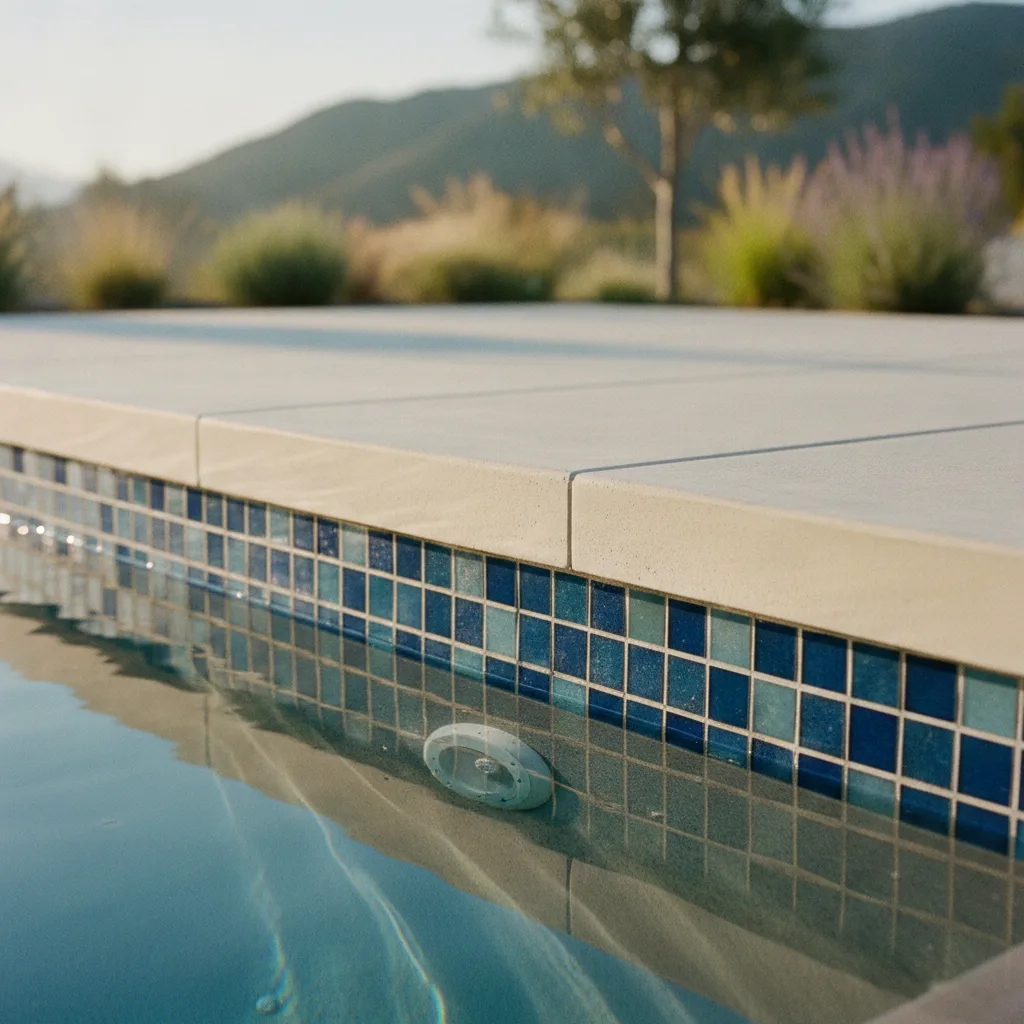
Building a pool in San Jose requires a building permit from the city's Planning, Building and Code Enforcement department. The plan submission must include structural engineering plans, an electrical plan for the subpanel and equipment, a plumbing diagram, and a site plan showing fences and drainage. Critically, your project must also comply with the state's MWELO regulations. This involves submitting a landscape documentation package that calculates your property's Maximum Applied Water Allowance (MAWA) and demonstrates that your new drought-tolerant plant palette and irrigation system stay below that threshold. Many homeowners are surprised to learn that their pool project triggers a full landscape water audit.
Why: A fully approved permit ensures your pool is built to current safety codes and is legally documented with the city.
Watch out for: Assuming you can get the Santa Clara Valley Water District's landscape conversion rebate for turf removed for the pool itself; typically, only turf replaced with qualified low-water landscaping is eligible.
Planning for Budget Overruns and Hidden Costs
Even with meticulous planning, unexpected costs can arise. The most common surprises are discovering that your main electrical panel doesn't have the capacity for a new 60-amp pool subpanel, requiring a costly main panel upgrade ($4,000 to $7,000). Another is hitting unexpected rock or a high water table during excavation, which can add thousands in equipment and labor costs. The National Association of Home Builders recommends a ten to fifteen percent contingency on renovations in homes over thirty years old. This fund provides a crucial buffer for these unforeseen issues. The high cost of specialized labor in the Bay Area also contributes to the overall expense; according to the California Department of Industrial Relations prevailing wage data for Santa Clara County, skilled trades command significant hourly rates, which are factored into every aspect of the project.
Project Checklist: Your San Jose Saltwater Pool
- Financial: Secure financing and establish an all-in budget, including a 15% contingency fund.
- Scope: Create a detailed site plan with pool dimensions, decking, fencing, and landscaping zones.
- Contractor: Interview at least three C-53 licensed contractors and check their CSLB status and references.
- Engineering: Commission a geotechnical soils report to assess expansive clay conditions.
- Design: Finalize material selections: tile, coping, interior finish (e.g., PebbleTec), and decking.
- Equipment: Select a variable-speed pump, heater, filter, and salt chlorine generator appropriately sized for your pool.
- Permitting: Submit a complete permit package to the City of San Jose, including the MWELO landscape documentation.
- Utilities: Have an electrician and plumber assess your existing electrical panel and gas meter capacity.
Sources & Methodology
Cost ranges in this guide draw on the following named industry sources, public agency datasets, and Golden Yards Magazine editorial research.
- City of San Jose, Permit Center Pool & Spa Guidelines (2026)
- California Model Water Efficient Landscape Ordinance (MWELO) (2024 Update)
- California Department of Industrial Relations, Santa Clara County Prevailing Wage Data (Q1 2026)
- Pool & Hot Tub Alliance (PHTA), Construction Standards (2025)
- National Association of Home Builders (NAHB), Remodeling Market Index (Q1 2026)
- Santa Clara Valley Water District, Landscape Rebate Program (2026)
Golden Yards Magazine Take
The most common mistake homeowners make when planning a saltwater pool project in San Jose for 2026 is budgeting for an object, not a system. They get a quote for the concrete shell and the pump, but they forget the pool is a major new utility load that fundamentally changes the backyard's ecosystem. The real project isn't just the vessel that holds water; it's the new electrical subpanel, the upsized gas line, the engineered foundation to resist clay soil, and the complete rethinking of your landscape's water usage under MWELO. A successful project accounts for this entire system from day one. The pool itself is rarely the budget surprise. The rest of the yard is.
Frequently Asked Questions
How much does a saltwater pool cost in San Jose in 2026?
An average inground gunite saltwater pool in San Jose costs between $95,000 and $160,000. This price typically includes the pool shell, basic concrete decking, and all necessary equipment. The final cost depends heavily on size, materials, and site-specific challenges like grading or the need for extensive soil engineering.
The saltwater system itself adds about $1,200 to $2,000 more than a traditional chlorine system. The major budget variables are upgrades like PebbleTec finishes, travertine or paver decking, integrated spas, and automated covers, which can push a project over $200,000. Homeowners should also reserve 10-15% of their total budget for hidden costs like electrical panel upgrades or unexpected excavation issues.
Is a saltwater pool cheaper to maintain than a traditional chlorine pool?
A saltwater pool generally has lower annual chemical costs but higher upfront and long-term repair costs. You will spend less on chlorine tablets, but you will need to add bags of salt periodically. The big difference is the salt chlorine generator cell, which needs replacement every three to seven years at a cost of $700 to $1,100.
While daily maintenance is lower due to automated chlorine production, you still need to test and balance pH, alkalinity, and calcium hardness regularly. The salt can also be corrosive to some types of stone coping, metal ladders, and automatic cover components if they are not specifically designed for saltwater environments, potentially leading to higher repair bills over the pool's lifetime.
What permits are needed for a pool in San Jose?
Building a pool in San Jose requires a comprehensive building permit from the city. The application package must include structural engineering plans for the pool shell, a site plan showing the pool's location and safety fencing, and separate plans for electrical and plumbing work. A geotechnical report is also typically required.
because a pool project impacts your landscape, you must submit a landscape documentation package to demonstrate compliance with California's Model Water Efficient Landscape Ordinance (MWELO). This involves calculations showing your new landscape will not exceed its designated water budget, which often necessitates installing drought-tolerant plants and efficient irrigation.
How long does it take to build a pool in San Jose?
The entire process, from initial design to completion, typically takes six to nine months in San Jose. The pre-construction phase, which includes design, engineering, and permitting, can last two to three months alone. The City of San Jose's permit review process can take six to eight weeks, depending on their backlog and the complexity of your plans.
Once permits are issued, the physical construction phase usually takes four to six months. This timeline can be affected by weather delays, inspection schedules, and the availability of specialized subcontractors for phases like gunite, tile, and plaster. It is wise to begin the planning process in the fall to be ready for construction in the spring.
Do I need a special pump for a saltwater pool?
You do not need a pump specifically labeled for saltwater, but you must use a variable-speed pump. California's Title 20 energy efficiency standards require variable-speed pumps for nearly all new and replacement pool filtration applications. These pumps are more durable and can handle the mild salinity of a saltwater pool without issue.
The critical component is the salt chlorine generator, which is a separate device plumbed into the system after the filter and heater. The pump's job is simply to circulate water through the filter and this generator. Investing in a high-quality variable-speed model like a Pentair IntelliFlo VSF or a Jandy FloPro VS will save significant energy costs over its lifespan, which more than offsets its higher initial price.
Sources & methodology
How Golden Yards builds this guide
Golden Yards reviews public permit and code signals, material pricing, climate and site constraints, contractor quote patterns, comparable projects, the Golden Yards Cost Index, and the Golden Yards Methodology. Cost references are planning ranges, not fixed bids.
- Benchmarked against the Golden Yards Cost Index and related project guides.
- Reviewed for California climate, water, fire, drainage, access, and permit context.
- Commercial Project Match is separate from editorial cost guidance.
Ready to start your pool project?
Get matched with 2-3 vetted California contractors. 100% free, no obligation.
Find My Pros