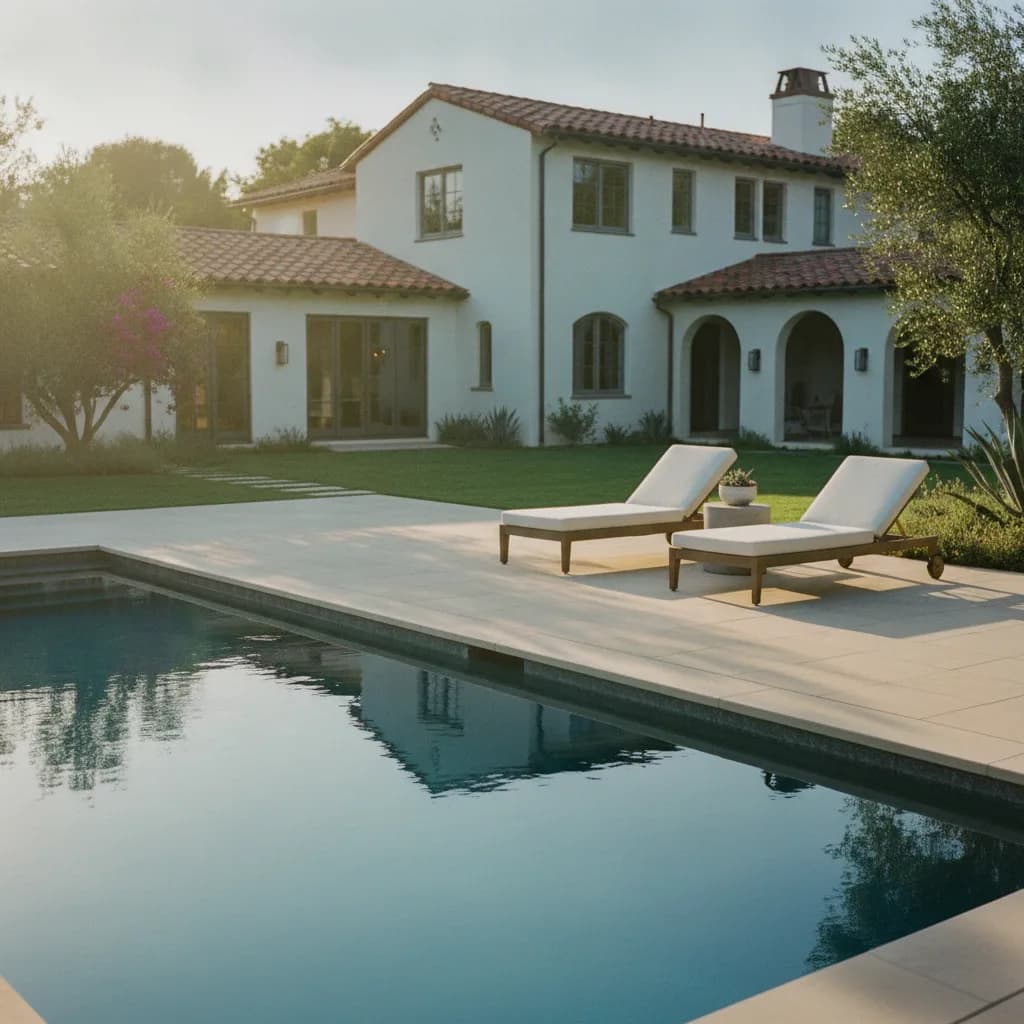
An inground gunite pool build in Pasadena, from the first design sketch to the first cannonball, realistically takes sixteen to twenty-four weeks in 2026. The timeline can start lower, around twelve weeks, for simpler projects like a pre-fabricated plunge pool or spool with minimal hardscaping. The single biggest delay isn't the construction itself, but the plan check and permit issuance from the Pasadena Permit Center, which can add four to eight weeks before a single shovel hits the ground. For homeowners in neighborhoods like Oak Knoll, where historic preservation overlays can add another layer of review, patience isn't just a virtue; it's a project requirement.
In a Nutshell
- Total Timeline: 16 to 24 weeks on average for a standard gunite pool.
- Four Key Phases: The project breaks down into four distinct stages: Design and Permits, Site Prep and Foundation, Core Construction, and Finishes and Final Inspection.
- Biggest Delay Risk: Pasadena Permit Center plan review. Incomplete submissions or requests for engineering clarifications are the most common cause of timeline extensions before construction even begins.
- Contingency Planning: Your budget needs a buffer. The National Association of Home Builders recommends a ten to fifteen percent contingency fund for unforeseen issues, a non-negotiable for Pasadena's older homes and varied soil conditions.
Phase 1: Design and Permits (Weeks 1, 8)
This initial phase is all about planning and paperwork. It's where your vision gets translated into buildable, approvable plans. The timeline here is dictated almost entirely by the speed of your design decisions and the city's review queue.
- What happens: You'll work with a pool designer or landscape architect to create construction drawings. These include the pool's dimensions, equipment specifications, and site plans. A soils report and structural engineering for the gunite shell are mandatory. The landscape plan must demonstrate compliance with the state's Model Water Efficient Landscape Ordinance (MWELO), detailing hydrozones and a drought-tolerant plant palette.
- Who does what: The homeowner makes design selections (tile, coping, plaster color). The designer creates the plans. The contractor or a dedicated permit expediter submits the package to the Pasadena Permit Center for plan check.
- Common holdups: Incomplete submittal packages, engineering calculations that need revision, or landscape plans that don't meet MWELO water budget requirements. Each revision request from the city can add two to three weeks to this phase.
Phase 2: Site Prep and Foundation (Weeks 9, 12)
Once the permit is in hand, physical work begins. This phase transforms your backyard from a lawn into a construction site. The focus is on excavation, creating the structural backbone of the pool, and running the necessary utility lines.
- What happens: The pool area is marked, and excavation begins. Plumbers trench for suction and return lines, and electricians run conduit for lighting and equipment. A cage of steel rebar is meticulously tied into place, forming the skeleton of the pool.
- Who does what: The excavation crew handles the dig. The contractor coordinates the plumber, electrician, and steel crew. A city inspector must sign off on the steel and plumbing placement before any concrete is poured.
- Common holdups: Discovering unexpected soil conditions, like expansive clay or large rock formations, can require extra engineering and excavation time. This is also where utility capacity issues surface. A check with Pasadena Water and Power (PWP) and SoCalGas is critical. Homeowners often find their gas line needs an upsize from 3/4 inch to 1.25 inch to handle the BTU load of a modern pool heater, a surprise cost of $2,500 to $4,000. Similarly, the pool equipment may require a new 60-amp subpanel, adding another $2,000.
Phase 3: Construction Scope (Weeks 13, 18)
Ready to compare vetted project options?
Use Project Match privately when your scope is clear enough for contractor conversations.
Start Project MatchThis is the most dramatic phase, where the pool's form truly takes shape. It's a carefully sequenced dance of specialized trades, each building upon the last, with city inspections acting as critical gateways between steps.
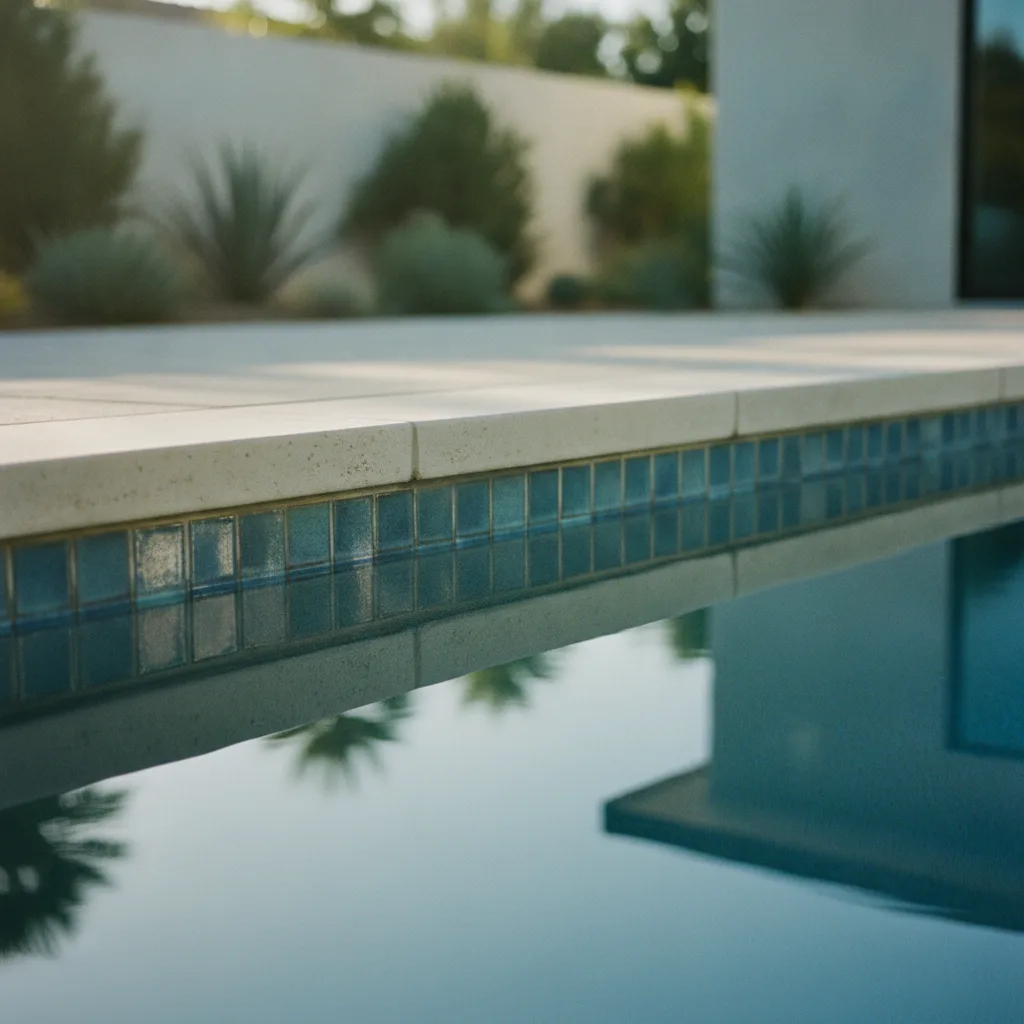
- What happens: The first major step is the gunite application, where a high-velocity concrete mixture is sprayed over the rebar cage to form the pool's shell. After the gunite cures for several weeks, the tile crew installs the waterline tile and the stone or concrete coping around the pool's edge. Following that, the deck is formed, and concrete or pavers are installed.
- Who does what: Specialized crews handle each step: gunite, tile, and decking. The general contractor schedules the sequence and the corresponding city inspections. The inspection card on-site must be signed off for gunite, plumbing, and electrical work before proceeding.
- Common holdups: Weather is the primary risk here. Rain can delay gunite application or deck pours for days. A failed inspection, for instance on the bonding of metal components, requires a re-inspection that can halt progress for a week.
Phase 4: Finishes and Final Inspection (Weeks 19, 24)
The final phase is about details, surfaces, and safety. This is where the pool transforms from a concrete shell into a finished, swimmable body of water. It culminates in the final sign-off from the city, which is the official green light to start enjoying your investment.
- What happens: The interior of the pool is prepped and then coated with plaster, pebble, or quartz finish. The pool equipment, like a Pentair Intelliflo VSF variable-speed pump and a MasterTemp heater, is installed on the equipment pad. Once the plaster cures, the pool is filled with water. The final steps include installing safety fencing, gate alarms, and completing the landscape.
- Who does what: The plaster crew, equipment installer, and fence contractor perform the final scope items. The contractor schedules the final inspection with the Pasadena building inspector. The homeowner is responsible for balancing the water chemistry upon startup.
- Common holdups: The final barrier inspection is a common failure point. Gates must be self-closing and self-latching, and all code requirements for fence height and spindle spacing must be met perfectly. Any discrepancy will delay the final approval and your ability to legally use the pool.
Three Representative Projects from 2026
Three representative California projects from 2026, scoped similarly, reconstructed from Golden Yards Magazine's invoiced project network and presented here in aggregate form:
- Linda Vista, Pasadena: A 15x30 foot rectangular gunite pool with an integrated spa, travertine deck, and a Pentair automation system. The project required significant grading on a sloped lot. Total Cost: $145,000. Total Time: 23 weeks.
- San Marino: A classic Roman-shaped 18x36 foot pool with an automatic safety cover, salt water chlorinator, and extensive MWELO-compliant landscaping. The gas line upsize was a significant line item. Total Cost: $182,000. Total Time: 26 weeks.
- Altadena: A smaller 12x24 foot freeform pool designed for entertaining, featuring a baja shelf, a Lynx 36-inch Sedona built-in grill in an outdoor kitchen island, and a cedar pergola. Total Cost: $118,000. Total Time: 20 weeks.
What Can Compress This Timeline
While the city's timeline is out of your hands, homeowners have agency over several key areas. Making all design decisions upfront is the single most effective strategy. Finalizing every material, from the waterline tile to the deck pavers, before the permit is even submitted creates a scope-lock that prevents mid-project changes. Hiring an inground pool contractor in Pasadena who has an in-house designer or a long-standing relationship with a local design firm can also streamline the critical design-to-permit handoff. Finally, being hyper-responsive to contractor questions and approval requests can shave days or even weeks off the schedule. A delayed decision on a tile order can easily halt progress for a week while waiting for materials.
What Blows It Up
Three things reliably derail a pool project timeline. First, unforeseen site conditions. Hitting bedrock or a high water table during excavation requires expensive, time-consuming solutions. Second, homeowner-driven changes. Deciding to add a spa or change the decking material after construction has started creates a cascade of delays through change orders, new material procurement, and rescheduling trades. Third, failed inspections. This points to a contractor issue and can stop a project cold for weeks while corrections are made and a re-inspection is scheduled. The National Association of Home Builders recommends a ten to fifteen percent contingency on renovations in homes over thirty years old; for a Pasadena pool project, this is essential protection against these risks.
What Should Be in Your Contractor's Schedule
A professional contractor's schedule is more than a simple start and end date. It should be a detailed, multi-page document with specific milestones. Insist that your contract includes a schedule with at least these line items:
- Date for Final Plan Approval by Homeowner
- Permit Submittal Date to Pasadena Permit Center
- Projected Permit Issuance Date
- Excavation Start and Completion
- Steel, Plumbing, and Electrical Rough-in Dates
- Pre-Gunite Inspection Date
- Gunite Application Date
- Tile and Coping Installation Window
- Decking and Hardscape Installation Window
- Plaster and Pool Fill Date
- Final Barrier and Safety Inspection Date
This level of detail creates accountability and helps you understand the critical path. For more on what to expect during the permitting phase, see our [Pasadena pool permit playbook for 2026](/guides/pasadena-pool-permit-playbook-2026).
Golden Yards Take
The marketing from many pool builders sells a dream of a three-month process. The reality of building an inground pool in Pasadena in 2026 is a six-month journey. Homeowners consistently underestimate the front-end duration: the design, engineering, and permitting phase often takes as long, if not longer, than the physical construction. The most successful projects are those where the homeowner embraces this reality, invests heavily in detailed upfront planning, and selects an inground pool contractor in Pasadena not based on the lowest bid, but on the most transparent and detailed project schedule. The pool isn't just the hole in the ground; it's the six months of process to get it there.
Frequently Asked Questions
How long does an inground pool build in Pasadena really take?
For a standard gunite pool in Pasadena, the realistic timeline from design finalization to final inspection is sixteen to twenty-four weeks in 2026. This includes four to eight weeks for permitting at the Pasadena Permit Center before any construction begins. The actual construction phase typically lasts twelve to sixteen weeks.
This timeline can be influenced by project complexity, the contractor's schedule, and the responsiveness of city inspectors. A simple plunge pool with pre-selected materials might finish closer to the four-month mark, while a complex project on a hillside with a spa and extensive hardscaping can easily extend to six months or more. The most common cause of delay is the initial plan check process, where revisions can add weeks to the pre-construction phase.
Can I use my yard during pool construction?
You should plan on losing access to most of your backyard for the entire duration of the project. The area will be an active construction zone with heavy equipment, open trenches, and materials staging. Safety and liability concerns mean access will be restricted.
Contractors will typically create a designated path for equipment and workers from the street to the pool site, which may involve temporarily removing a section of fence. While you might have use of a patio or side yard far from the work area, the noise, dust, and activity will make the entire yard less usable. It's best to assume the backyard is off-limits from excavation day until the final cleanup is complete.
What's the longest single phase of a pool build?
The Design and Permitting phase is often the longest and most unpredictable part of the entire process, frequently lasting six to ten weeks. While the core construction phase is longer overall, it's composed of many smaller, sequential steps. The permitting phase is a single monolithic hurdle that can stall a project before it starts.
This initial phase involves not just design work but also structural engineering, soil analysis, and landscape design that complies with MWELO. The package then enters the queue at the Pasadena Permit Center. Any request for information or required plan modification from the city can reset the review clock, adding significant, frustrating delays. The cost of labor in the area, reflected in California's Department of Industrial Relations prevailing wage data for Los Angeles County, means that any on-site delays during construction are expensive, so contractors are hesitant to start before a permit is fully issued.
Can I fast-track the permits in Pasadena?
There is no official process to pay for expedited review for a new pool permit at the Pasadena Permit Center. The best way to "fast-track" the process is to submit a perfect, comprehensive application package on the first attempt. This minimizes the chance of rejection or requests for more information.
Hiring an experienced local pool contractor or permit expediter who understands Pasadena's specific submission requirements is the most effective strategy. They know the common pitfalls, from incorrect MWELO water budget calculations to missing structural details. Ensuring your plans are complete and code-compliant from the outset is the only control you have over the permitting timeline. Trying to rush the city is a futile effort; preparing a flawless submission is the key.
Sources & Methodology
Cost ranges in this guide draw on the following named industry sources, public agency datasets, and Golden Yards Magazine editorial research.
- City of Pasadena Permit Center, Building & Safety Division (2026)
- Pool & Hot Tub Alliance (PHTA) Construction Standards (2025)
- California Model Water Efficient Landscape Ordinance (MWELO) (2024)
- National Association of Home Builders (NAHB) Home Building Geography Index (Q1 2026)
- California Department of Industrial Relations, Prevailing Wage Determinations (Los Angeles County) (2026)
- SoCalGas, Residential Gas Service Guide (2025)
Sources & methodology
How Golden Yards builds this guide
Golden Yards reviews public permit and code signals, material pricing, climate and site constraints, contractor quote patterns, comparable projects, the Golden Yards Cost Index, and the Golden Yards Methodology. Cost references are planning ranges, not fixed bids.
- Benchmarked against the Golden Yards Cost Index and related project guides.
- Reviewed for California climate, water, fire, drainage, access, and permit context.
- Commercial Project Match is separate from editorial cost guidance.
Ready to start your pool project?
Get matched with 2-3 vetted California contractors. 100% free, no obligation.
Find My Pros