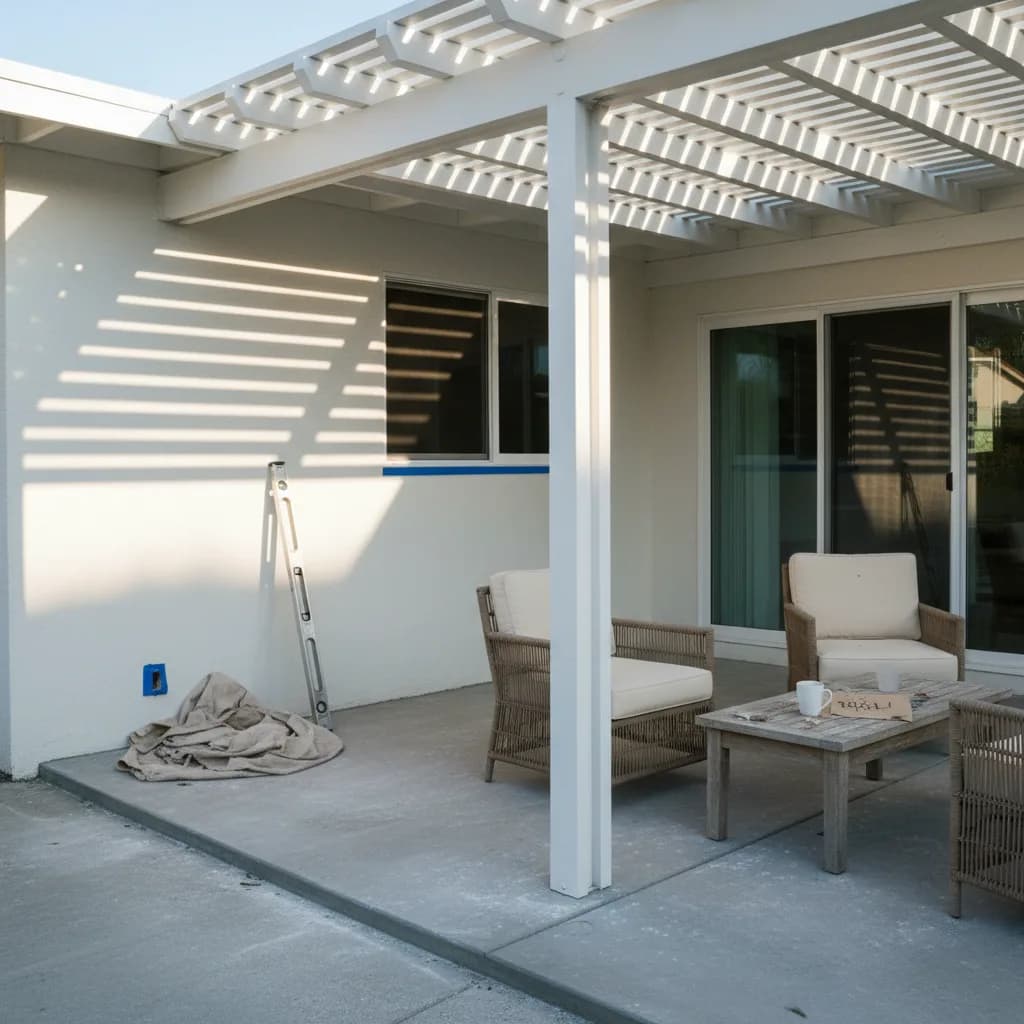
A custom pergola in Santa Monica takes between 12 and 20 weeks from the first design meeting to the final inspection in 2026. The timeline can start lower, around eight weeks, for a simple pre-fabricated kit installed on an existing patio. For most homeowners in neighborhoods like Ocean Park or North of Montana, the single biggest delay isn't construction, it's paperwork. Navigating the City of Santa Monica's plan review and, for many, the California Coastal Commission's oversight, requires patience and a contractor who knows the local process intimately. The build is fast; the approval is slow.
In a Nutshell
- Total Timeline: 12, 20 weeks for a typical custom pergola.
- Four Phases: Design and Permits (6, 10 weeks), Site Prep and Foundation (1, 2 weeks), Construction (4, 5 weeks), and Finishes and Final Inspection (1, 3 weeks).
- Biggest Delay Risk: Plan check corrections from the city or review by the California Coastal Commission, which can add one to three months to the pre-construction phase.
- Budget Contingency: Plan for a 10-15% contingency fund for unexpected costs, especially for homes near the coast with potential foundation or drainage surprises.
Phase 1: Design and Permits (weeks 1, 8)
This is the planning and paperwork phase, and it's often the longest part of the journey. It begins with finalizing your design, materials, and layout with an architect or designer. Structural engineering plans are then drawn up, which are critical in Santa Monica to account for coastal wind loads, often requiring a 110 mph design wind speed specification. Your chosen pergola contractor Santa Monica will then submit this complete package to the City of Santa Monica Planning and Community Development Department. The primary holdup here is the plan check process. If your property falls within the Coastal Zone, you'll also need to secure a Coastal Development Permit (CDP), a separate review process that can add significant time. Getting the engineering and CDP application right the first time is the key to staying on schedule.
Phase 2: Site Prep and Foundation (weeks 9, 10)
Once you have an approved permit, physical work begins. This phase involves clearing the site, which could include demolishing an old concrete slab or removing landscaping. The contractor then lays out the pergola's footprint and excavates for concrete footings. This is where the first hidden costs often appear. If you're adding lighting or an outdoor heater, an electrician will trench for conduit. A 30-amp circuit might require a subpanel upgrade, adding $2,200 to your budget. For a gas fire pit, a plumber trenches a new gas line. That often means an upsize of the line from the meter, a task rarely in the first quote that can cost $1,800 to $3,000 and requires coordination with SoCalGas. A footing inspection is required before any concrete is poured.
Phase 3: Construction Scope (weeks 11, 15)
Ready to compare vetted project options?
Use Project Match privately when your scope is clear enough for contractor conversations.
Start Project MatchWith the foundations cured, the structure starts to take shape. This is the phase most people picture when they think of construction. The contractor's crew will set the posts, attach the ledger board to the house (for an attached pergola), and then install the main beams and rafters. The material choice heavily influences this stage. A custom-milled Douglas fir structure requires skilled carpentry on site, while a pre-fabricated aluminum system like a StruXure X-Model involves assembling precision-cut components. Throughout this process, the city inspector will visit at key milestones. After the posts and beams are set, a framing inspection is required to verify the load path and connections match the approved engineering plans before any roofing or finishes are added.
Phase 4: Finishes and Final Inspection (weeks 16, 20)
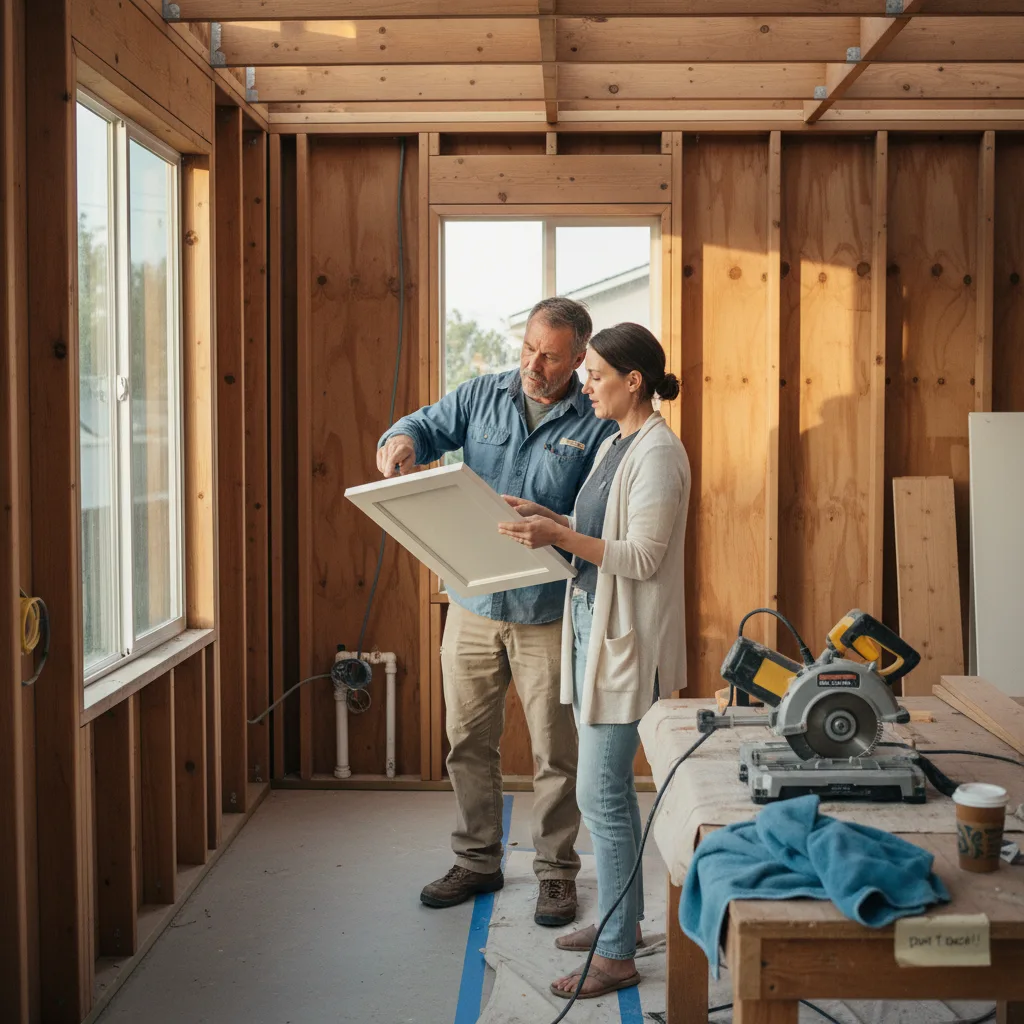
The final phase is about details. If your pergola is wood, it will be stained or painted for protection against the coastal air. The electrician returns to install light fixtures, outlets, and switches. Any integrated components, like motorized louvers, ceiling fans, or infrared heaters, are installed and tested. This is also when landscaping around the new structure is completed, which may need to follow a drought-tolerant plant palette under the Model Water Efficient Landscape Ordinance (MWELO). The project concludes with the final inspection from the Santa Monica building inspector. They will review the completed work against the approved plans, check that all electrical and gas work is safe, and provide the final sign-off on your permit card, officially closing out the project.
Three Representative Projects from 2026
Three representative California projects from 2026, scoped similarly, reconstructed from Golden Yards Magazine's invoiced project network and presented here in aggregate form:
- North of Montana, Santa Monica: A 16'x20' attached louvered aluminum pergola (StruXure) with integrated lighting, two heaters, and a new stamped concrete patio. The project required significant electrical work, including a new subpanel. Total Cost: $72,000. Total Timeline: 19 weeks.
- Ocean Park, Santa Monica: A 12'x18' custom-built attached Douglas fir pergola over a new paver patio. The timeline was extended by a lengthy California Coastal Commission review due to the property's proximity to the beach. Total Cost: $48,000. Total Timeline: 22 weeks.
- Sunset Park, Santa Monica: A 12'x12' detached vinyl pergola kit installed on an existing patio. The project only required a permit for the new concrete footings. This represents a simpler, more affordable pergola santa monica cost. Total Cost: $18,500. Total Timeline: 8 weeks.
What Can Compress This Timeline
While you can't control the city's review queue, three factors can shorten your timeline. First, choosing a pre-engineered pergola kit with existing structural plans can shave weeks off the design and engineering phase. Second, achieve scope-lock early. Finalize every material, from the wood species to the light fixtures, before submitting for permits. Changes later will trigger revisions and delays. Third, hire an experienced local contractor. A team that has a working relationship with Santa Monica's building department and understands the nuances of the Coastal Development Permit process is invaluable. They can anticipate plan check comments and prepare a submission package that gets approved faster.
What Blows It Up
Three things reliably derail a pergola project timeline. The most common is making design changes after the permit has been issued. Deciding to make the pergola two feet wider requires revised engineering and a new plan check submission, adding a month or more. Second, discovering unexpected site conditions, like hitting a sewer line during excavation or finding the existing house framing is rotted where the ledger board attaches, can cause significant delays and cost overruns. Third, underestimating the California Coastal Commission. If you're in the Coastal Zone, their review is thorough and can add months if your project raises any concerns. The National Association of Home Builders recommends a ten to fifteen percent contingency on renovations in homes over thirty years old.
What Should Be in Your Contractor's Schedule
Your contract should include a detailed project schedule with milestones. Don't accept a vague start and end date. The document should have line items for each of these steps, showing a clear sequence of events and dependencies. A detailed schedule prevents scope creep and ensures everyone is aligned. Make sure your contractor has a clear plan for navigating the city's process, which you can read about in our [Santa Monica pergola permit playbook for 2026](/guides/santa-monica-pergola-permit-playbook-2026). Your schedule should include:
- Architectural and Engineering Plan Completion
- Permit Package Submission to City of Santa Monica
- Permit Issuance
- Material Procurement and Lead Time Confirmation
- Site Demolition and Preparation
- Footing Excavation and Inspection
- Concrete Pour and Cure Time
- Structural Framing and Assembly
- Framing Inspection
- Electrical and/or Gas Rough-in
- Finishing Work (Stain, Paint, Fixture Installation)
- Final Inspection and Project Closeout
Golden Yards Take
Contractor brochures for a pergola santa monica 2026 often advertise a tidy four to six week build. That's not dishonest, but it's incomplete. It only describes the construction phase. The real timeline, from the day you hire a designer to the day you can enjoy your new shade structure, is closer to four or five months. The pre-construction phase of design, engineering, and permitting, especially in a jurisdiction like Santa Monica with its coastal oversight, takes time. Homeowners who are surprised by the timeline almost always anchor their expectations to the day the first shovel hits the ground. The savvy homeowner knows the project truly begins the day you sign the design agreement. Budget your time for the paperwork, not just the build.
Frequently Asked Questions
How long does a pergola in Santa Monica really take?
A custom-built pergola in Santa Monica typically takes 12 to 20 weeks from design to final inspection in 2026. This includes design, engineering, permitting, and construction. Simple pre-fabricated kits on an existing patio can be faster, around 6 to 8 weeks, while projects requiring Coastal Commission review can extend to 24 weeks or more. The timeline is dominated by the pre-construction phase. Expect 6 to 10 weeks just for design, structural engineering, and the city's plan review process. The physical construction is much faster, usually lasting between 4 and 8 weeks depending on complexity. The biggest variable is whether your property is in the Coastal Zone, as the Coastal Development Permit (CDP) process can add one to three months before any work can begin.
Why does a pergola cost so much more in Santa Monica?
Pergola costs in Santa Monica are higher due to stringent building codes, specialized labor, and material requirements for coastal environments. Engineering for 110 mph wind loads, using corrosion-resistant hardware like stainless steel, and navigating the complex permitting process all add significant costs compared to inland projects. The high cost of living also translates to higher labor rates, as reflected in the California Department of Industrial Relations prevailing wage data for Los Angeles County. A skilled carpenter or electrician commands a premium wage. Materials like stainless steel fasteners and connectors, essential for preventing rust in the salt air, can cost three to four times more than standard galvanized hardware. These factors combined create a higher baseline pergola santa monica cost.
Can I use my yard during construction?
You can generally use parts of your yard, but the immediate construction zone will be off-limits for safety. Expect noise, dust, and restricted access for about four to eight weeks during the physical build. Your contractor should establish clear safety barriers and access paths to minimize disruption. Be prepared for a designated area of your yard or driveway to be used for material staging. This might include lumber, bags of concrete, and tools. Daily work hours are typically 8 a.m. to 5 p.m., during which there will be construction noise. A good contractor will clean up the site daily to minimize hazards, but it's best to plan for your outdoor space to be primarily a work zone until the project is complete.
What's the longest single phase for a Santa Monica pergola?
The design and permitting phase is almost always the longest part of a Santa Monica pergola project, typically lasting 6 to 10 weeks. For homes within the California Coastal Zone, obtaining a Coastal Development Permit (CDP) can add another 4 to 12 weeks, making this administrative stage significantly longer than the physical construction. During this phase, plans are drawn, engineered, and then submitted to the city for review. The city's plan checkers may return comments or require corrections, leading to revisions and resubmittals. This back-and-forth is normal but time-consuming. It stands in contrast to the construction phase, which proceeds relatively quickly once the permit is in hand.
Can I fast-track the permits for my Santa Monica pergola?
Fast-tracking permits in Santa Monica is difficult, as there is no formal expedited service for this type of project. The best strategy is prevention: submit a perfect, comprehensive application package. This means hiring an architect or contractor who knows the city's specific codes, including wind load engineering and Coastal Zone requirements, to avoid multiple rounds of corrections and delays. While you can hire a permit expediter, their role is primarily logistical. They can manage submissions and follow up with city staff, but they cannot force a planner or engineer to review your project faster than the established queue. A complete, code-compliant, and clearly detailed set of plans is the only reliable way to move through the system with minimal friction.
Sources & Methodology
Golden Yards reviews public permit and code signals, material pricing, climate and site constraints, contractor quote patterns, comparable projects, the Golden Yards Cost Index, and the Golden Yards Methodology. Cost references are planning ranges, not fixed bids.
- City of Santa Monica, Planning and Community Development Department, Building & Safety Division
- California Coastal Commission, Public Permit and Planning Information
- California Building Standards Code (Title 24), 2022 Edition
- National Association of Home Builders (NAHB), Remodeling Market Index (RMI)
- American Wood Council, Design for Code Acceptance (DCA) 6 - Prescriptive Residential Wood Deck Construction Guide
- StruXure Outdoor, Architectural Plans and Specifications
- California Department of Industrial Relations, Prevailing Wage Determinations
Ready to start your pergola project?
Find My ProsFrequently Asked Questions
How long does a pergola in Santa Monica really take?
A custom pergola in Santa Monica takes 12 to 20 weeks from design to final inspection in 2026. This timeline covers design, engineering, permitting, and construction. Simpler pre-fabricated kits can take 6 to 8 weeks, while projects requiring Coastal Commission review may extend to 24 weeks or more due to the permit process.
The total project timeline is dominated by pre-construction work. Expect 6 to 10 weeks just for the design, structural engineering, and city plan review stages. The physical construction phase is much shorter, typically lasting between 4 and 8 weeks based on complexity.
The most significant variable is whether your property is in the Coastal Zone. These projects require a Coastal Development Permit (CDP) from the Coastal Commission, a process that can add one to three months before any work can begin, pushing the total timeline to 24 weeks or longer.
Why does a pergola cost so much more in Santa Monica?
Pergola costs are higher in Santa Monica due to stringent building codes, specialized labor, and coastal material requirements. Engineering for 110 mph wind loads, using corrosion-resistant hardware, and a complex permitting process add significant expense. High labor rates, reflected in Los Angeles County prevailing wage data, also increase the total project cost.
The coastal environment demands specific, more expensive materials. For instance, stainless steel fasteners and connectors, essential for preventing rust in salt air, can cost three to four times more than standard galvanized hardware. Furthermore, the region's high cost of living directly impacts labor rates. A skilled carpenter or electrician commands a premium wage, a fact supported by the California Department of Industrial Relations prevailing wage data for Los Angeles County. These factors create a higher baseline cost compared to inland projects.
Can I use my yard during construction?
Yes, you can use parts of your yard, but the immediate work area will be off-limits for safety. For the project's four to eight week duration, expect construction noise from 8 a.m. to 5 p.m., dust, and restricted access. A designated area will also be used for staging materials like lumber.
Your contractor should establish clear safety barriers and define access paths to minimize disruption to your home. Be prepared for a portion of your yard or driveway to be used for material staging, which can include lumber, bags of concrete, and tools.
Construction noise is expected during typical work hours, from 8 a.m. to 5 p.m. While a good contractor cleans the site daily to reduce hazards, it is best to consider your outdoor space primarily a work zone until the project is finished.
What's the longest single phase for a Santa Monica pergola?
The design and permitting phase is the longest for a Santa Monica pergola, typically lasting 6 to 10 weeks. For homes in the California Coastal Zone, obtaining a Coastal Development Permit (CDP) can add another 4 to 12 weeks. This administrative stage is significantly longer than the physical construction period.
This extended administrative period involves drawing and engineering plans for submission to the city. Santa Monica's plan checkers may return comments or require corrections, leading to a normal but time-consuming cycle of revisions and resubmittals. This back-and-forth process, especially when a Coastal Development Permit is required, contrasts with the construction phase, which proceeds relatively quickly once the permit is in hand.
Can I fast-track the permits for my Santa Monica pergola?
No, you cannot formally fast-track pergola permits in Santa Monica, as the city has no expedited service for this project type. The best strategy is submitting a perfect application prepared by a professional who understands local codes, including wind load engineering and Coastal Zone requirements, to prevent delays from corrections.
A complete, code-compliant application is the most reliable method for a smooth process. While a permit expediter can manage submissions and follow up with city staff, they cannot force a planner to review your project ahead of others in the queue. An architect or contractor familiar with Santa Monica's specific rules can prepare clear, detailed plans that meet all requirements, including wind load engineering and Coastal Zone rules. This preparation minimizes the chance of corrections, which are the main cause of delays.