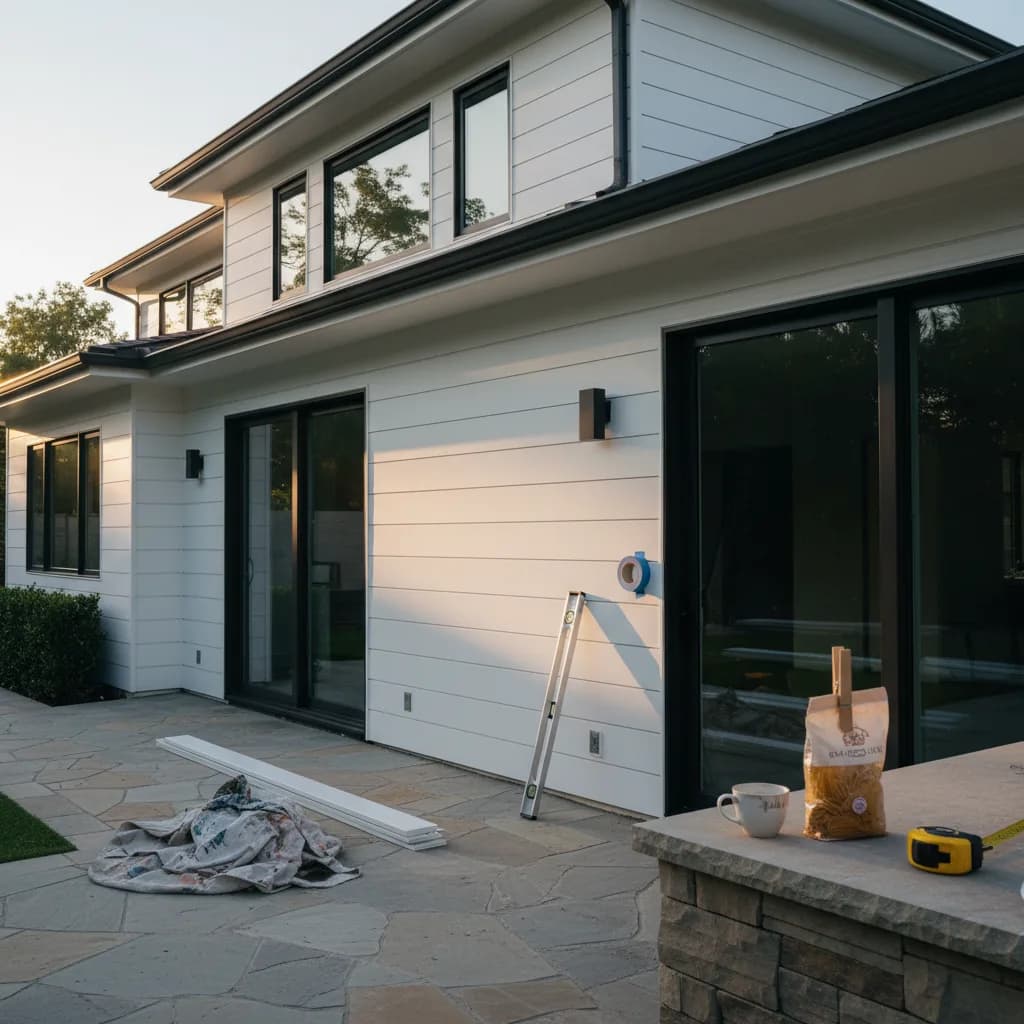
A full siding replacement in Beverly Hills costs between $45,000 and $120,000 in 2026, with most homeowners spending around $75,000 for a 2,500-square-foot home using premium fiber cement. Costs can start lower, in the $25,000 to $35,000 range, for smaller homes or partial replacements with more economical materials. However, the unique demands of working on high-value properties in this exclusive enclave, from meticulous permitting to the high cost of skilled labor, place the typical project well above the Los Angeles County median.
In a Nutshell: Beverly Hills Siding Costs for 2026
- Total Cost Range: $45,000 to $120,000+
- Typical Mid-Range Project: $75,000 for a 2,500 sq. ft. home with fiber cement siding, including full tear-off and trim work.
- Project Timeline: Four to seven weeks, including two to three weeks for permit approval from the Beverly Hills Building and Safety division.
- Biggest Surprise Line Item: The cost of repairing dry rot and termite damage to the wall sheathing, discovered only after the old siding is removed, which can add $5,000 to $20,000 to the final invoice.
What does a siding replacement actually cost in Beverly Hills in 2026?
The final price tag for a Beverly Hills siding replacement hinges on three factors: the size of your home, the material you choose, and the condition of the structure underneath. Here is a rough tiered breakdown for a typical 2,500-square-foot, two-story home.
| Tier | Cost Range | Materials & Scope |
|---|---|---|
| Basic | $45,000 - $60,000 | Paint-grip fiber cement siding on visible facades, minimal trim replacement, assumes no structural repairs needed. |
| Mid-Range | $65,000 - $90,000 | Full replacement with pre-finished, smooth-texture fiber cement siding (e.g., James Hardie Aspyre), new composite trim, upgraded weather barrier, and a modest contingency for minor repairs. |
| Premium | $95,000 - $120,000+ | High-end materials like clear-grain cedar, architectural composite panels, or custom stucco work. Includes extensive trim and detail work, scaffolding for complex architecture, and a larger repair contingency. |
The bottom-of-the-range cases, often cited in online calculators, typically apply to smaller, single-story homes with simple layouts and no underlying structural issues, which is not the representative project in this market.
Mid-Range Project Cost Breakdown
For a $75,000 mid-range project, here is where the money goes:
- Labor: 45% ($33,750)
- Materials (Siding, Trim, Fasteners): 35% ($26,250)
- Demolition & Waste Disposal: 8% ($6,000)
- Permits & Fees: 5% ($3,750)
- Contractor Overhead & Profit: 7% ($5,250)
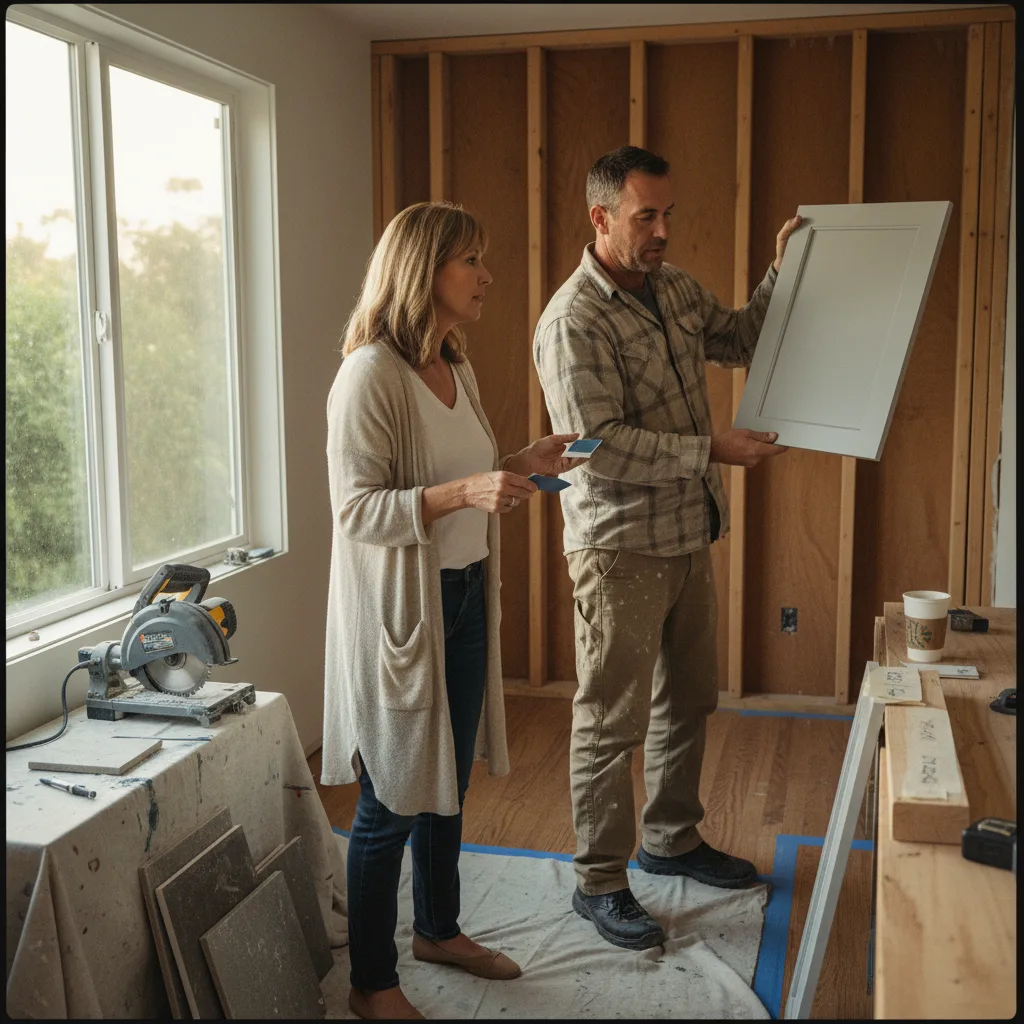
Why is siding replacement more expensive in Beverly Hills than the rest of Los Angeles?
Three key factors drive costs significantly higher within Beverly Hills city limits compared to neighboring areas like West Hollywood or the San Fernando Valley.
1. Higher Labor Rates: The most significant factor is the cost of skilled, insured labor. According to the California Department of Industrial Relations prevailing wage data for Los Angeles County, wages for carpenters and siding installers are among the highest in the state. Reputable contractors who serve Beverly Hills carry higher levels of liability and workers' compensation insurance, a cost passed on to the client. These are not crews you find on Craigslist; they are established professionals with portfolios and long track records.
2. Stringent Permitting and Inspection: The City of Beverly Hills Building and Safety division has a reputation for being thorough and exacting. The plan check process is more detailed, and inspectors hold contractors to a very high standard. This isn't like the over-the-counter permit process in some other jurisdictions. This meticulous oversight adds administrative hours and requires a higher level of documentation from your contractor, increasing preliminary costs before a single nail is hammered.
3. Neighborhood Logistics and Material Premiums: Working in neighborhoods like Trousdale Estates or The Flats comes with logistical hurdles. Restricted work hours, limited street parking for trucks and dumpsters, and the need to protect extensive landscaping all add to the project's complexity and cost., the architectural standards in Beverly Hills demand premium materials. While vinyl siding might be common elsewhere, here the expectation is for high-grade fiber cement, natural wood, or smooth-finish stucco, all of which carry a higher material and installation cost.
What do real Beverly Hills homeowners spend in 2026?
Ready to compare vetted project options?
Use Project Match privately when your scope is clear enough for contractor conversations.
Start Project MatchThree representative projects from 2026, scoped similarly, reconstructed from Golden Yards Magazine's invoiced project network and used here in aggregate form:
- North of Santa Monica Blvd ($68,000): The owner of a 1940s traditional home needed to replace failing wood lap siding. The project involved a full tear-off, installation of James Hardie lap siding, new trim around ten windows, and painting. The crew discovered moderate termite damage on one wall, adding $4,500 in structural repairs to the original bid.
- The Flats ($92,000): This larger, two-story Spanish-style home required a complete exterior renovation. The scope included removing old, cracked stucco, inspecting and repairing the building envelope, and applying a new three-coat smooth stucco finish. The cost was improved by the need for extensive scaffolding and detailed work around architectural arches and balconies.
- Trousdale Estates ($115,000): A classic mid-century modern home received a premium upgrade. The project involved removing original board-and-batten siding, installing a high-performance weather barrier compliant with Title 24 Part 6 (California Energy Code), and installing architectural composite panels with custom metal trim. The high cost reflects the premium materials and the precision required for the minimalist aesthetic.
Where does the money actually go? The hidden costs of siding replacement
Your contractor's initial bid covers the visible work, but the real budget-busters are often lurking beneath the surface. Here are the common line items that emerge during a project:
- Dry Rot or Termite Damage Repair: $2,500 - $20,000. This is the number one risk, especially in pre-1985 homes with compromised waterproofing.
- Structural Framing & Sheathing Repair: $1,500 - $10,000. Replacing water-damaged studs, headers, or plywood sheathing.
- Upgraded Weather-Resistive Barrier (WRB): $1.50 - $3.00 per square foot. Code may require a more advanced WRB than what was originally there.
- Window and Door Flashing: $200 - $500 per unit. Modern codes require meticulous flashing to prevent water intrusion, a common failure point in older installations.
- Lead Paint Abatement: $5,000 - $15,000. If your home was built before 1978, safe removal and disposal of lead-painted siding is a mandatory, and expensive, process.
- Scaffolding for Multi-Story Homes: $4,000 - $8,000. A necessary safety and efficiency expense for homes with more than one level.
- Beverly Hills Permit & Plan Check Fees: $2,500 - $6,000. These fees are calculated based on project valuation and are non-trivial.
- Exterior Fixture Removal & Reinstallation: $500 - $2,000. This includes light fixtures, security cameras, awnings, and house numbers.
What stops a Beverly Hills siding project from running over budget?
Budget overruns on siding projects are common, but they usually stem from a few predictable causes. Understanding them upfront is the best way to maintain financial control.
First is the discovery of hidden damage. Once the old siding is off, you see the true state of your home's bones. Water damage, termites, or poor framing from a previous remodel can turn a straightforward job into a major structural repair. The National Association of Home Builders recommends a ten to fifteen percent contingency on renovations in homes over thirty years old for this very reason.
Second, scope creep initiated by the homeowner. Deciding to add new windows, replace gutters, or upgrade the exterior trim while the siding is off seems efficient, but these changes can quickly inflate the budget and extend the timeline.
Finally, permit and plan revisions can cause delays and add costs. If the Beverly Hills inspector requires changes to the installation plan or materials to meet specific code requirements, your contractor will need to issue a change order for the additional labor and materials.
Want a more precise estimate?
Before requesting a site-specific quote, compare material choices and project scope in our California siding planning guide. Give each contractor the same wall measurements, removal requirements and preferred material so the proposals cover comparable work.
What should your Beverly Hills contractor include in the quote?
A vague quote is a red flag. A professional proposal from a siding replacement contractor in Beverly Hills should be a detailed document that leaves no room for ambiguity. A detailed scope of work is your best defense against budget creep. Our Beverly Hills siding replacement permit playbook for 2026 outlines every step. Ensure your contract includes these fourteen points:
- CSLB license number, proof of general liability, and workers' compensation insurance.
- A detailed description of the full scope of work.
- Procedure for tear-off and legal disposal of old siding material.
- Process for inspecting wall sheathing and framing after tear-off.
- A clear allowance or per-foot cost for repairing any discovered rot or damage.
- The specific brand and model of the weather-resistive barrier (house wrap).
- The specific brand, product line, texture, and color of the siding.
- Specifications for all trim, soffit, and fascia materials.
- The type and brand of sealant and caulk to be used.
- Confirmation of whether painting is included, and if so, the number of coats and paint brand.
- A daily site cleanup plan.
- Confirmation of who is responsible for pulling the city permit and its associated cost.
- A projected start date, timeline, and estimated completion date.
- A clear payment schedule tied to project milestones.
The Golden Yards Magazine Take
The most common mistake we see homeowners make is viewing a siding replacement as a purely cosmetic upgrade. In a place like Beverly Hills, with its mix of historic and architecturally significant homes, it's a critical structural and performance overhaul. The siding is the first line of defense against water intrusion, which is the primary cause of costly structural decay. The meta-pattern that causes budget and timeline problems is underestimating the importance of the prep work: the sheathing inspection, the structural repairs, and the proper integration of the weather barrier and window flashing. Paying a premium for a meticulous contractor who specializes in building science, not just aesthetics, is the single best investment you can make. It ensures the beauty you see on the outside is protecting the massive investment on the inside.
Sources & Methodology
See the Golden Yards Methodology for how sources are reviewed, ranges are normalized, and planning-data limits are handled.
Cost ranges in this guide draw on the following named industry sources, public agency datasets, and Golden Yards Magazine editorial research.
- City of Beverly Hills Building and Safety Division Fee Schedule (2026)
- California Department of Industrial Relations (Los Angeles County Prevailing Wage Data) (2026)
- National Association of Home Builders (NAHB) Remodeling Market Index (Q1 2026)
- National Association of the Remodeling Industry (NARI) Cost vs. Value Report (2026)
Ready to start your siding project?
Find My ProsFrequently Asked Questions
How long does siding replacement take in Beverly Hills?
Siding replacement on a typical Beverly Hills home takes four to seven weeks. This timeline includes about two weeks for permitting with the Beverly Hills Building and Safety division and two to five weeks for demolition, installation, and finishing. The exact duration depends on crew size, weather, and any hidden damage found.
Potential delays are common and can extend the project. For instance, homes located in historic overlay zones or those requiring extensive structural repairs can see timelines increase to eight or even ten weeks. The setup and breakdown of scaffolding for multi-story homes adds a few days. Additionally, supply chain issues for specialty materials like clear-grain cedar or custom-colored composite panels can cause unexpected waiting periods.
Do I need a permit for siding replacement in Beverly Hills?
Yes, a permit is almost always required for siding replacement in Beverly Hills. The city's Building and Safety division considers this a significant alteration affecting the building's envelope and weather resistance. The process ensures work meets building codes, including Title 24 Part 6, the California Energy Code.
Your contractor should handle the entire permit application. The application requires detailed plans showing the material type, installation method, and how compliance with Title 24 Part 6 (California Energy Code) will be maintained, often through proper insulation and house wrap. Attempting work without a permit can lead to stop-work orders, significant fines, and complications when selling the property.
What's the most popular siding material in Beverly Hills?
Fiber cement siding, particularly from brands like James Hardie, is the most popular material for siding replacement in Beverly Hills. It offers the high-end look of wood or stucco but with superior durability, fire resistance, and low maintenance. This material holds paint exceptionally well and can be specified in various textures.
While fiber cement leads the market, traditional stucco remains a classic choice, especially for the many Spanish and Mediterranean style homes in Beverly Hills. For modern designs, smooth panels and architectural composite siding are gaining traction.
Natural wood, such as cedar and redwood, is typically reserved for premium projects and accents due to its higher cost and maintenance needs. In this market, vinyl siding is almost never used because it does not meet local aesthetic or performance standards.
Can I replace siding myself to save money?
We strongly advise against DIY siding replacement in Beverly Hills. The work requires specialized tools, adherence to strict local building codes, and significant safety precautions. Improper installation can cause catastrophic water intrusion, void material warranties, and fail city inspections, costing far more to fix later and protecting your high-value property.
A professional siding contractor in Beverly Hills will be licensed, insured, and deeply familiar with the city's meticulous permit and inspection process. They understand the critical details of how to properly flash windows and doors, install a modern weather-resistive barrier, and manage structural issues often found in older homes.
The high labor cost directly reflects this expertise and the essential protection it provides. Paying for a professional avoids the significant expense of correcting installation errors that fail to meet local building codes, especially on multi-story homes where safety is a major concern.