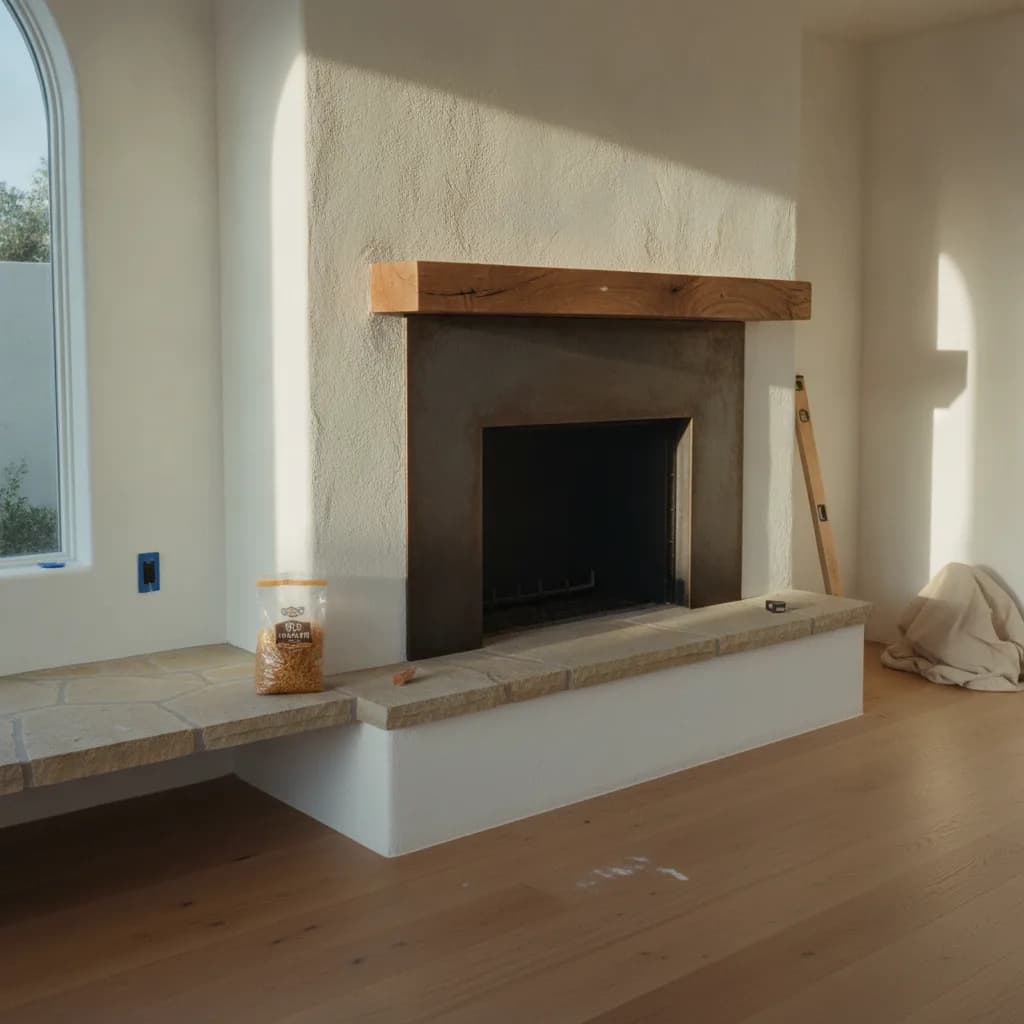
The backyard fire pit is officially a relic. In Malibu, the new standard for outdoor living is the architectural fireplace, a fully integrated feature that anchors the entire backyard. These projects now command budgets exceeding $75,000, a significant shift from the sub-$10,000 fire bowls that dominated coastal patios just five years ago. This isn't just about warmth; it's a statement about permanence and smooth indoor-outdoor design.
In a Nutshell: Malibu Outdoor Fireplaces in 2026
- The Big Idea: Outdoor fireplaces are no longer accessories but structural anchors of the landscape, blurring the line between living room and patio.
- The Top Three Trends: Board-formed concrete surrounds, integrated entertainment walls with hidden tech, and knife-edge linear gas inserts are defining the high-end market.
- What's Being Replaced: Standalone circular gas fire pits and pre-fabricated stucco kits are being demolished in favor of custom, architect-designed structures.
- What's Next: A move toward multiple, smaller automated fire features managed by smart home systems, creating a “fire garden” effect throughout a property.
Trend 1: Integrated Entertainment Walls Are the New Standard
The fireplace is now the centerpiece of a multi-function wall. We're seeing architects design monolithic structures that house not only a linear fireplace but also a recessed, weatherproof 8K television, marine-grade speakers, and hidden storage for cushions and equipment. Based on invoices we've reviewed from three recent projects, integrating this level of A/V and custom cabinetry adds $25,000 to $40,000 to the total outdoor fireplace malibu cost. This trend is especially prevalent in new builds in the Broad Beach and Paradise Cove areas, where maximizing ocean views and outdoor entertainment space is paramount. This will likely become the default expectation for any luxury home renovation by 2028.
Trend 2: Knife-Edge Gas Inserts Eliminate the Bezel
Homeowners are demanding a cleaner, more minimalist flame. The knife-edge or zero-bezel fireplace insert, which sits perfectly flush with the surrounding material (be it stone, concrete, or tile), has become the go-to choice. Brands like Montigo and Ortal are frequently specified in architectural plans we see for homes along the Pacific Coast Highway. The look is smooth, making the flame appear to emerge directly from the wall. This design requires a highly skilled outdoor fireplace contractor in Malibu, as tolerances are near zero. We expect to see this detail trickle down from the ultra-high-end to more mainstream luxury projects over the next few years.
Trend 3: Board-Formed Concrete Delivers Texture and Mass
Ready to compare vetted project options?
Use Project Match privately when your scope is clear enough for contractor conversations.
Start Project MatchSmooth stucco is out; raw, textured concrete is in. Board-forming, a technique where concrete is poured into a mold lined with rough-sawn timber, leaves a permanent wood grain impression on the finished surface. This brutalist-inspired aesthetic adds visual weight and a tactile quality that complements modern Malibu architecture. Our network of general contractors reports that board-forming adds approximately 30% to the labor cost for the structure compared to a standard smooth-trowel finish. This look is particularly popular in Point Dume and the surrounding hills, where the raw texture connects the structure to the rugged coastal landscape. Its durability against salt air ensures this trend has staying power.
Trend 4: Heat-Treated Shou Sugi Ban Wood Accents
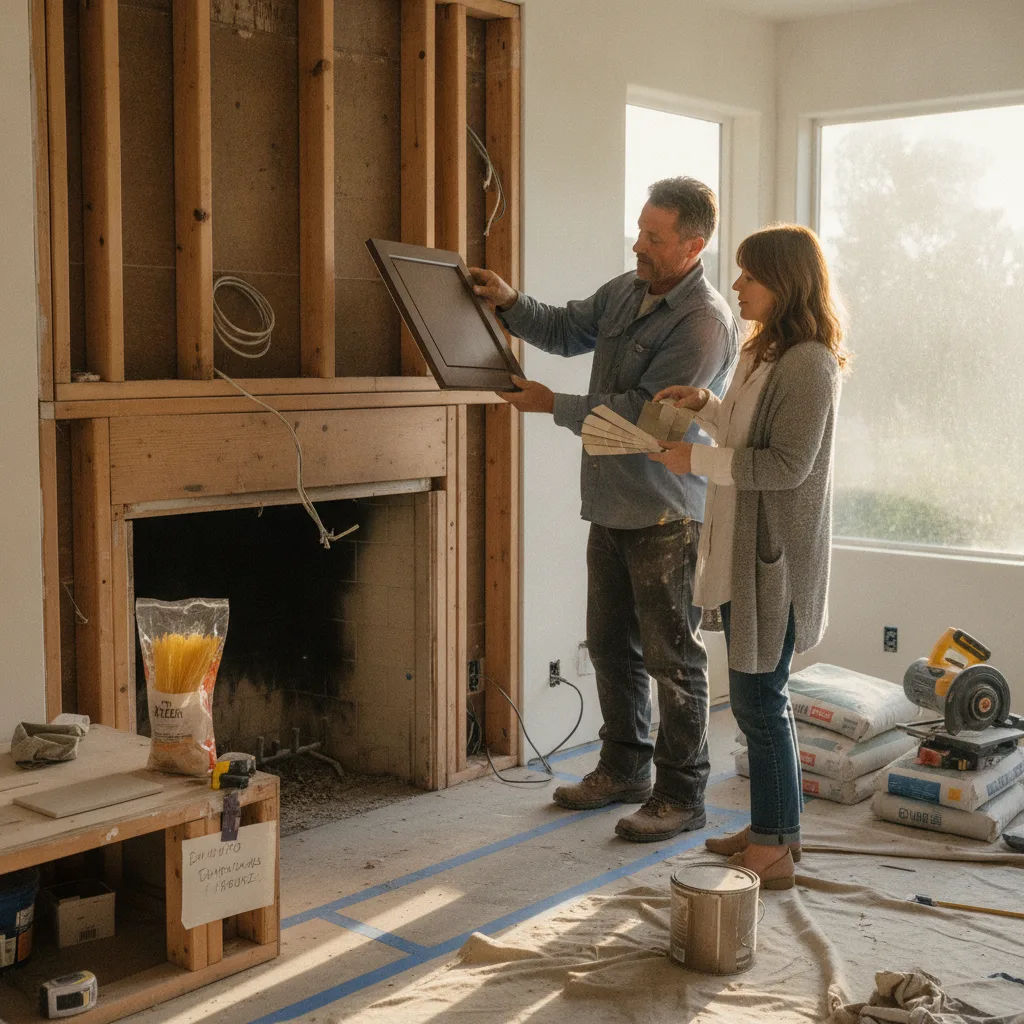
For a dramatic contrast to stone and concrete, designers are incorporating Shou Sugi Ban, a traditional Japanese method of charring wood to preserve it. The resulting deep, crackled black finish is both beautiful and highly resistant to fire, rot, and pests, making it a functional choice for fireplace surrounds and adjacent paneling. We've seen it used to create striking feature panels on chimney structures in homes in the Malibu Park neighborhood. While more expensive than Ipe or other hardwoods, its unique aesthetic and resilience make it a compelling choice for homeowners looking for a distinct material. Its use will likely expand as more contractors become familiar with the installation technique.
Trend 5: Ethanol Burners for Cleaner Air and Simpler Installs
Concerns over local air quality and the complexity of running gas lines are driving a surge in high-end ethanol burners. These ventless systems, from brands like EcoSmart Fire, burn clean biofuel and require no chimney or gas plumbing, offering tremendous design flexibility. This is a critical advantage on hillside properties where trenching for a new gas line can be prohibitively expensive or geologically complex. While the fuel is more costly than natural gas, the lower installation cost and placement freedom are making it a popular choice for secondary fire features on terraces and balconies from Carbon Beach to El Matador.
Trend 6: Full Automation with Smart Home Integration
The modern malibu outdoor fireplace is a connected device. Homeowners now expect to control their fire feature via their home automation system (like Crestron or Savant) or a dedicated app. This allows for ignition, flame height adjustment, and scheduling timers directly from a smartphone. According to our project invoice data, adding this electronic ignition and control module typically costs between $3,500 and $7,000. This is no longer a niche request; it's a standard feature for any outdoor fireplace malibu project over $60,000. This trend is about convenience and creating an effortless transition to outdoor living.
Trend 7: Reclaimed Ocean Bluff Stone for Hyper-Local Sourcing
Sustainability and a sense of place are guiding material choices. Instead of shipping in stone from other states, top landscape architects are specifying locally sourced or reclaimed stone, sometimes from the property itself during excavation. This approach not only reduces the project's carbon footprint but also creates a structure that is intrinsically tied to its environment. We've seen this executed beautifully in several Trancas Canyon homes, where the fireplace stone matches the property's natural rock outcroppings. This is the ultimate expression of site-specific design, a trend that will only grow in importance.
Trend 8: The 'Fire Garden' Replaces the Single Hearth
Why have one large fireplace when you can have a curated experience of several smaller ones? The 'fire garden' concept involves placing multiple, smaller fire features, a linear burner along a bench, a fire bowl near a spa, a torch-style feature at an entryway, throughout the landscape. This creates different zones for gathering and adds dynamic light and warmth across the entire property. This approach, while more complex to plumb and wire, offers greater flexibility for entertaining. It's a design strategy we're seeing in larger estates in the Serra Retreat area, transforming the entire backyard into an immersive, fire-lit environment.
What Does an Outdoor Fireplace Cost in Malibu in 2026?
A custom, architect-designed outdoor fireplace in Malibu costs between $45,000 and $120,000. The final price depends heavily on the foundation, materials, fuel type, and integrated features like media and storage. A simpler gas fireplace with a basic stucco finish can start lower, around $30,000, but most projects we see today are far more complex. The high cost reflects the structural engineering, extensive masonry work, and utility trenching required. The California Department of Industrial Relations prevailing wage data for Los Angeles County shows that skilled masons and licensed gas plumbers command top-tier rates, which is a significant factor in the total budget.
Before you even speak with a contractor, you need a clear plan. Our guide can help you define the scope of your project and understand the questions to ask. You can find more detail in [our Malibu fireplace permit playbook](/guides/malibu-fireplace-permit-playbook-2026).
Three representative projects from 2026, scoped similarly, reconstructed from Golden Yards Magazine's Project of the Day network and used here in aggregate form:
- Broad Beach Media Wall ($115,000): A 15-foot-wide board-formed concrete structure with a 72-inch linear gas insert, a recessed television, integrated speakers, and limestone hearth. This project required significant foundation work and a 100-foot gas line extension.
- Point Dume Pavilion Fireplace ($82,000): A freestanding, three-sided fireplace made with local stone, serving as the anchor for a new outdoor living room. It included a wood-burning option with a gas starter and required a full masonry chimney.
- Malibu Road Terrace Burner ($55,000): A sleek, 60-inch ethanol burner built into a low wall clad in Shou Sugi Ban wood. The cost was lower due to the absence of gas plumbing and complex venting, but the high-end finish materials kept it in the mid-range.
Remember that unforeseen issues, especially on older properties, can impact the budget. The National Association of Home Builders recommends a ten to fifteen percent contingency on renovations in homes over thirty years old. In Malibu, this could mean encountering uncompacted fill on a hillside lot or discovering rusted-out galvanized plumbing that needs replacement during the utility hookup.
The Golden Yards Magazine Take
The evolution of the Malibu outdoor fireplace is a direct response to two powerful California forces: the desire for smooth, year-round indoor-outdoor living and the ever-present threat of wildfire. These new structures are not just about aesthetics; they are about creating permanent, defensible, and deeply integrated outdoor rooms. The move toward non-combustible materials like concrete, stone, and steel isn't just a design trend, it's a climate adaptation. Homeowners are investing in their backyards as true extensions of their homes, and the fireplace has become the non-negotiable anchor, a symbol of warmth, gathering, and resilience in the face of a changing environment. It’s a hardening of the home's perimeter disguised as high design.
Frequently Asked Questions
How long does it take to get a permit for an outdoor fireplace in Malibu?
Permitting for an outdoor fireplace in Malibu typically takes three to six months. This timeline includes structural plan checks by the city and, crucially, a review by the California Coastal Commission if your property falls within the coastal zone. Delays are common if plans are incomplete or require engineering revisions.
The City of Malibu's Planning Department and the Los Angeles County Department of Public Works handle the initial submissions for structural safety, grading, and zoning compliance. However, the California Coastal Commission (CCC) adds a significant layer of review for most Malibu properties. Their analysis focuses on visual impact, public access, and environmental protection. This dual-jurisdiction process is why timelines are longer here than in inland cities like Calabasas or Westlake Village.
What's the difference in cost between a wood, gas, and ethanol fireplace?
A gas fireplace is the most common and typically falls in the middle of the price range for installation. Wood-burning fireplaces are often the most expensive to build due to the need for a full masonry chimney and larger foundation. Ethanol systems have the lowest installation cost but the highest ongoing fuel expense.
Gas offers the best balance of convenience and affordable operation. Wood-burning fireplaces require significant structural work to meet modern codes, including spark arrestors and specific clearances, which drives up the initial build cost. Ethanol's main advantage is installation flexibility, as it requires no venting or plumbing, making it ideal for locations where running a gas line is impractical. Your choice depends on whether you want to optimize for upfront cost, long-term operational expense, or ease of installation.
Do I need a licensed contractor to build an outdoor fireplace?
Yes, building an outdoor fireplace absolutely requires licensed professionals. You will need a contractor with a C-29 Masonry license for the structure and a C-36 Plumbing license for any gas line installation. This is a matter of safety, code compliance, and ensuring your project is insurable and properly permitted.
An outdoor fireplace is a complex structure involving foundations, fire safety clearances, and potentially explosive fuel sources. Using an unlicensed individual is illegal and dangerous. A qualified outdoor fireplace contractor in Malibu will manage the entire process, from pulling permits with the City of Malibu to coordinating the various trades and ensuring the final installation passes inspection. Always verify licenses on the California Contractors State License Board (CSLB) website before signing any contract.
How does the coastal environment affect materials for a Malibu fireplace?
The salt-laden marine air in Malibu is highly corrosive, making material selection critical for longevity. You should prioritize materials like 316-grade stainless steel for burners and components, dense natural stone, high-quality concrete, and corrosion-resistant finishes. Avoid raw carbon steel or porous stone that can spall or stain.
Materials that perform well inland can fail quickly on the coast. For example, standard galvanized metal fasteners will rust, and certain types of veneers can delaminate due to moisture intrusion. This is why you see a prevalence of materials like board-formed concrete, limestone, and Ipe wood in high-end Malibu projects. Discussing material durability with your architect and contractor is just as important as discussing the aesthetics.
Sources & Methodology
See the Golden Yards Methodology for how sources are reviewed, ranges are normalized, and planning-data limits are handled.
Cost ranges in this guide draw on the following named industry sources, public agency datasets, and Golden Yards Magazine editorial research.
- California Contractors State License Board (CSLB) Licensee Survey (2025)
- Hearth, Patio & Barbecue Association (HPBA) Annual Trends Report (2026)
- City of Malibu Building & Safety Department Permit Fee Schedule (2026)
- California Coastal Commission, Malibu LCP Review Documents (2025)
- Golden Yards Magazine, Invoiced Project Data (Q1 2026)
- California Department of Industrial Relations, Los Angeles County Prevailing Wage Data (2026)
Ready to start your outdoor fireplace project?
Find My ProsFrequently Asked Questions
How long does it take to get a permit for an outdoor fireplace in Malibu?
Getting a permit for an outdoor fireplace in Malibu takes three to six months. This timeline includes structural plan checks by the City of Malibu and a mandatory review by the California Coastal Commission (CCC) for properties in the coastal zone. This dual jurisdiction is why timelines are longer than in inland cities.
The City of Malibu's Planning Department and the Los Angeles County Department of Public Works handle initial submissions for structural safety, grading, and zoning compliance. However, the California Coastal Commission adds a significant review layer for most Malibu properties, focusing on visual impact, public access, and environmental protection. This process is why timelines are longer here than in cities like Calabasas or Westlake Village. Delays are common if plans are incomplete or require engineering revisions.
What's the difference in cost between a wood, gas, and ethanol fireplace?
Wood-burning fireplaces are typically the most expensive to install, while ethanol systems have the lowest installation cost but the highest fuel expense. Gas fireplaces fall in the middle for installation and offer a good balance of convenience and affordable operation. Your choice depends on optimizing for upfront cost, long-term expense, or installation ease.
The high upfront cost for wood-burning fireplaces is due to significant structural work needed to meet modern codes, including a full masonry chimney, a larger foundation, spark arrestors, and specific clearances. In contrast, ethanol systems offer great installation flexibility. They require no venting or plumbing, making them ideal for places where running a gas line is impractical. Gas systems represent a compromise, balancing initial installation investment with reasonable ongoing operational costs.
Do I need a licensed contractor to build an outdoor fireplace?
Yes, building an outdoor fireplace requires licensed professionals for safety and code compliance. You will need a contractor with a C-29 Masonry license for the structure and a C-36 Plumbing license for any gas line. Using an unlicensed individual is illegal, dangerous, and can affect your ability to get permits or insurance.
An outdoor fireplace is a complex structure involving foundations, fire safety clearances, and potentially explosive fuel sources. A qualified contractor in Malibu will manage the entire process, from pulling permits with the City of Malibu to coordinating the various trades. This ensures the final installation is insurable and passes inspection. Before signing any contract, always verify licenses on the California Contractors State License Board (CSLB) website to confirm they are active and in good standing.
How does the coastal environment affect materials for a Malibu fireplace?
Malibu's corrosive, salt-laden marine air requires specific materials for fireplace longevity. Prioritize 316-grade stainless steel for components, dense natural stone, and high-quality concrete with corrosion-resistant finishes. Avoid raw carbon steel or porous stone that can spall or stain. Materials that perform well inland can fail quickly on the coast.
In Malibu's coastal environment, even standard galvanized metal fasteners will rust and certain veneers can delaminate from moisture intrusion. This is why high-end local projects often feature materials like board-formed concrete, limestone, and Ipe wood, which better withstand the conditions. Discussing material durability with your architect and contractor is as important as discussing aesthetics.