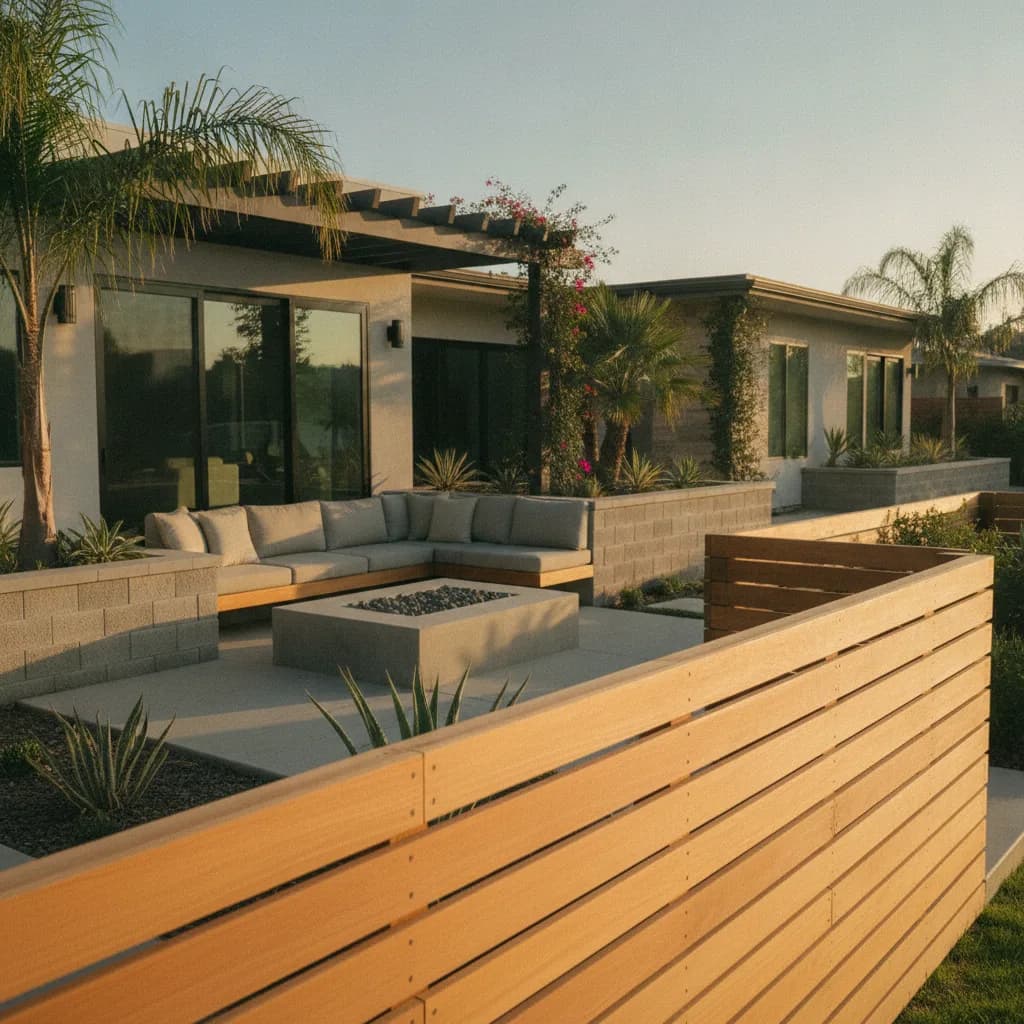
Dreaming of a beautiful, secure perimeter for your California home? Installing a new fence can significantly enhance your property's curb appeal, privacy, and safety. However, understanding the costs involved is often the first, most crucial step for any beginner homeowner. As of 2026, the landscape of material prices, labor rates, and permit requirements continues to evolve, making up-to-date information essential.
This comprehensive guide from Golden Yards is designed to demystify fence installation costs specifically for California residents in 2026. We'll break down everything from average expenses and material choices to labor considerations and hidden fees. By the end, you'll be equipped with the knowledge to plan your fence project confidently and avoid common pitfalls.
What is the Average Cost to Install a Fence in California in 2026?
As of early 2026, the average cost to install a fence in California typically ranges from $25 to $75 per linear foot. For a standard residential property requiring 150 to 200 linear feet of fencing, this translates to an overall project cost between $3,750 and $15,000. This wide range accounts for significant variations in material choice, fence height, property terrain, and local labor rates across the state.
Factors like the type of material, the complexity of the installation, and whether you opt for professional services or a DIY approach will heavily influence your final bill. It's important to remember that these are averages; your specific project could fall outside this range depending on unique circumstances.
How do fence material choices impact the total cost?
The material you select is arguably the biggest determinant of your fence's overall cost. Different materials offer varying levels of durability, aesthetic appeal, and price points. For instance, a basic chain link fence will be far more economical than a custom wrought iron design or premium composite fencing.
We'll delve into specific material costs shortly, but generally, expect wood and chain link to be on the lower end, vinyl and composite in the mid-range, and wrought iron or specialty materials at the higher end. The longevity and maintenance requirements of each material also contribute to its long-term value, which is an important consideration beyond just the initial installation cost.
What are the typical labor costs for fence installation in California?
Labor typically accounts for a significant portion, often 40% to 60%, of the total fence installation cost in California. Professional fence installers usually charge an hourly rate or a per-linear-foot rate that includes their crew's time. In 2026, hourly rates for skilled fence installers in California can range from $45 to $85 per hour per worker, though many contractors will provide a flat project bid.
Factors influencing labor costs include the difficulty of the terrain, the amount of site preparation needed (like old fence removal or tree clearing), and the complexity of the fence design. For example, installing a privacy fence with intricate post-setting requirements will demand more labor than a simple chain link fence on flat ground.
Are there regional cost variations within California?
Absolutely. California is a vast state with diverse economies, leading to notable regional variations in fence installation costs. Major metropolitan areas like San Francisco, Los Angeles, and San Diego typically have higher labor rates and material costs due to a higher cost of living and increased demand. For instance, a project in the Bay Area might cost 10% to 20% more than an identical project in the Central Valley or a less densely populated region.
Always obtain multiple quotes from local contractors to get the most accurate pricing for your specific area. This ensures you're comparing services and costs relevant to your immediate community, rather than relying on statewide averages that might not fully apply.
What Factors Influence Your Fence Installation Budget?
Beyond material and labor, several other critical factors can significantly sway your fence installation budget. Understanding these elements upfront will help you create a more accurate and realistic financial plan for your project. Ignoring these details can lead to unexpected expenses down the line.
Does fence length and height affect the price significantly?
Yes, both the length and height of your fence directly correlate with the total material and labor costs. The longer the fence, the more linear feet of material are required, and the more time laborers will spend on installation. Similarly, taller fences (e.g., 6-foot privacy fences versus 4-foot decorative fences) demand more material per post section and often require more robust posts and deeper footings, increasing both material and labor expenses.
Every additional foot in length or height adds to the overall material consumption and the complexity of the installation process. Carefully measure your desired fence perimeter and consider the necessary height for your specific needs, whether it's for privacy, security, or pet containment.
How does property terrain impact installation costs?
The topography of your property plays a crucial role in determining installation difficulty and, consequently, labor costs. Installing a fence on flat, easily accessible ground is much simpler and faster than working on sloped, rocky, or heavily vegetated terrain. Contractors may charge extra for challenging conditions that require specialized equipment, additional manual labor, or extensive site preparation.
Steep slopes, rocky soil, or areas with dense roots can increase labor time by 15% to 30% or more. If your property has significant elevation changes or difficult access points, be prepared for potentially higher installation fees. Discuss these challenges with your contractor during the initial consultation.
What about old fence removal and site preparation costs?
If you're replacing an existing fence, the cost of removing the old structure and preparing the site needs to be factored into your budget. Old fence removal typically costs between $3 and $8 per linear foot, depending on the material and how easily it can be dismantled and hauled away. This includes removing posts, panels, and debris.
Site preparation might also involve clearing brush, leveling small sections of ground, or relocating irrigation lines. While some minor preparation might be included in a contractor's bid, extensive work could incur additional charges. Always clarify what's included in your quote regarding site prep and old fence removal.
Are permits required for fence installation in California, and what do they cost?
In most California cities and counties, permits are indeed required for fence installation, especially if the fence exceeds a certain height (often 6 feet) or is located near property lines, easements, or public rights-of-way. Permit costs vary widely by municipality, typically ranging from $50 to $300 in 2026. Some complex projects or those in historic districts might have higher fees.
Failing to obtain the necessary permits can lead to fines, delays, or even the requirement to remove and rebuild your fence. Always check with your local planning department or homeowner's association (HOA) before starting any fence project. A reputable contractor will often assist with the permit application process.
Do gates add to the overall fence project expense?
Yes, gates are an additional expense that can significantly impact your total fence cost. The price of a gate depends on its material, size, style, and whether it's a standard walk-through gate or a larger, automated driveway gate. A basic single walk-through gate can add $200 to $800 to your project, while a double-wide gate might cost $500 to $1,500 or more.
Automated or custom-designed gates, especially for driveways, can easily run into several thousands of dollars, including the cost of motors, sensors, and installation. Plan for the number and type of gates you'll need early in your budgeting process.
What are the Different Types of Fences and Their Costs in California (2026)?
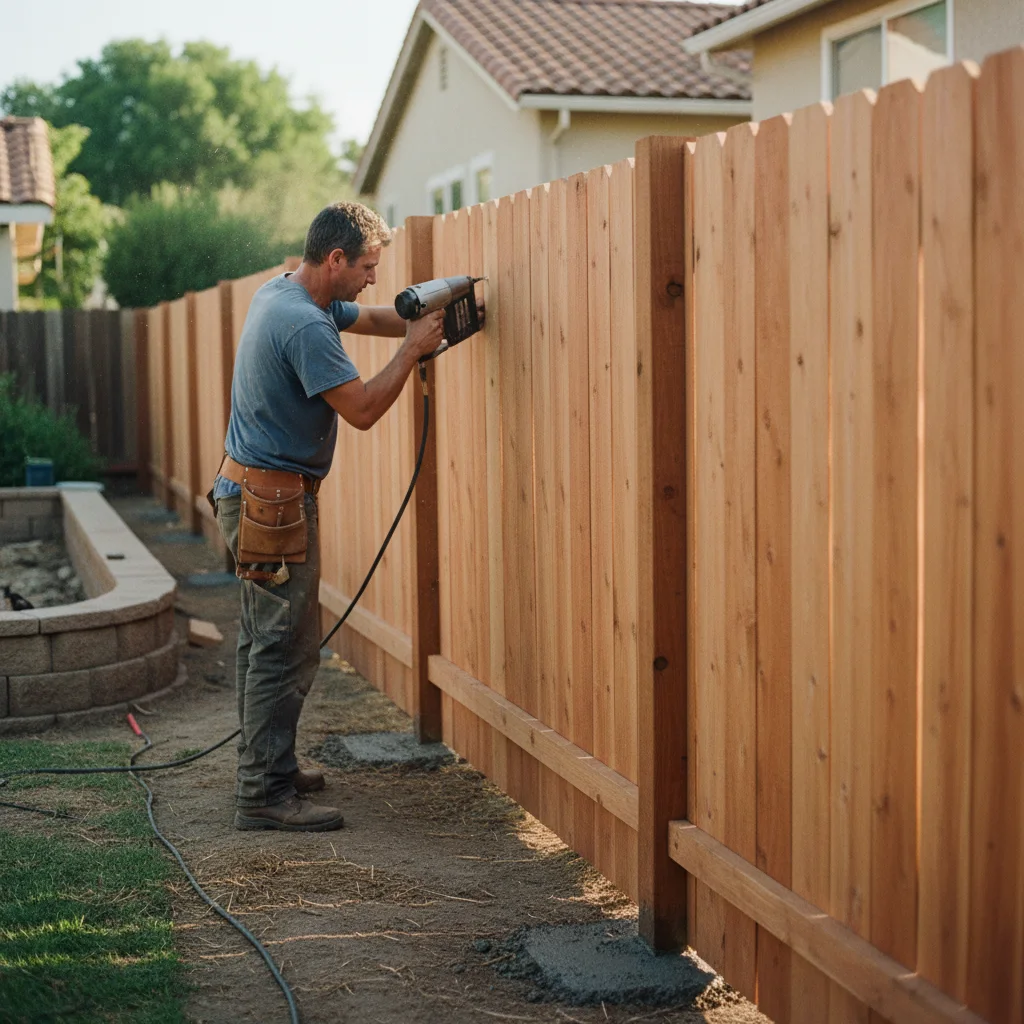
Choosing the right fence material is a balance between aesthetics, durability, maintenance, and cost. Here's a breakdown of popular fence types and their estimated costs per linear foot in California for 2026, including both material and installation.
How much does a wood fence cost per linear foot in California?
Wood fences remain a popular choice for their natural beauty and versatility. In California, a wood fence typically costs between $15 and $45 per linear foot installed. This range accounts for different wood types (e.g., pressure-treated pine, cedar, redwood), fence styles (picket, privacy, rail), and finishes. Cedar and redwood are more expensive but offer better natural resistance to rot and pests.
While initially affordable, wood fences require regular maintenance, such as staining or painting every few years, to prolong their lifespan and maintain their appearance. Without proper care, wood fences can warp, rot, or attract pests over time.
What is the price range for vinyl fence installation?
Vinyl fencing is a low-maintenance, durable option that mimics the look of wood without the upkeep. In California, vinyl fence installation typically ranges from $25 to $60 per linear foot. While the upfront cost is often higher than wood, vinyl's longevity and minimal maintenance requirements (no painting, staining, or sealing) can make it a cost-effective choice over its lifespan.
Vinyl fences come in various styles, including privacy, picket, and semi-privacy, and are available in several colors. They are resistant to rot, pests, and fading, making them an excellent investment for many homeowners.
Is chain link fencing an affordable option in 2026?
Yes, chain link fencing continues to be one of the most affordable and practical options for securing a perimeter. In California, installed chain link fences typically cost between $10 and $30 per linear foot. This makes it an excellent choice for large properties, pet enclosures, or areas where security and visibility are prioritized over aesthetic appeal.
Galvanized chain link is the most basic and economical, while vinyl-coated options offer improved aesthetics and slightly better durability against rust, albeit at a slightly higher price point. Chain link fences are known for their strength, low maintenance, and long lifespan.
What are the costs associated with wrought iron fences?
Wrought iron fences offer unparalleled elegance, security, and durability, making them a premium fencing option. In California, expect to pay anywhere from $40 to $100+ per linear foot for installed wrought iron fencing. Custom designs, intricate detailing, and taller fences will push the cost towards the higher end of this spectrum.
While the initial investment is substantial, wrought iron fences are extremely long-lasting and require minimal maintenance, usually just occasional painting to prevent rust. They significantly boost property value and curb appeal, especially for upscale homes.
How much does composite fencing typically cost
Ready to start your fence project?
Find My ProsFrequently Asked Questions
What is the average cost to install a fence in California in 2026?
As of early 2026, the average cost for fence installation in California typically ranges from $25 to $75 per linear foot. For a standard residential property requiring 150 to 200 linear feet, the total project cost usually falls between $3,750 and $15,000. This wide range accounts for variations in materials, labor, and site complexity.
How do different fence materials impact the total installation cost?
The material you choose is a primary cost driver. Economical options like chain link and basic wood are generally on the lower end of the spectrum. Vinyl and composite materials typically fall into the mid-range, while premium options such as custom wrought iron or specialty woods will significantly increase your overall project expense.
What factors beyond materials influence fence installation costs in California?
Beyond material choices, costs are heavily influenced by fence height, property terrain, and local labor rates across California. The complexity of the installation, such as sloped yards or difficult access, and the necessity for permits also contribute to the final bill. Opting for professional services versus a DIY approach is another key factor.
Are there any hidden costs to consider when budgeting for a new fence in California?
Yes, potential hidden costs can include permit fees, which are often required by local municipalities in California. Additional expenses might arise from site preparation, the removal of an old fence, or unexpected challenges with soil conditions. Always request a detailed, itemized quote to avoid any surprises.
How can I get an accurate estimate for my specific fence project in California?
To obtain an accurate estimate, first measure your property's linear footage and decide on your preferred fence material and height. It's advisable to get multiple quotes from local, reputable fence contractors. Ensure these quotes clearly itemize all materials, labor, and any potential permit costs specific to your California location.