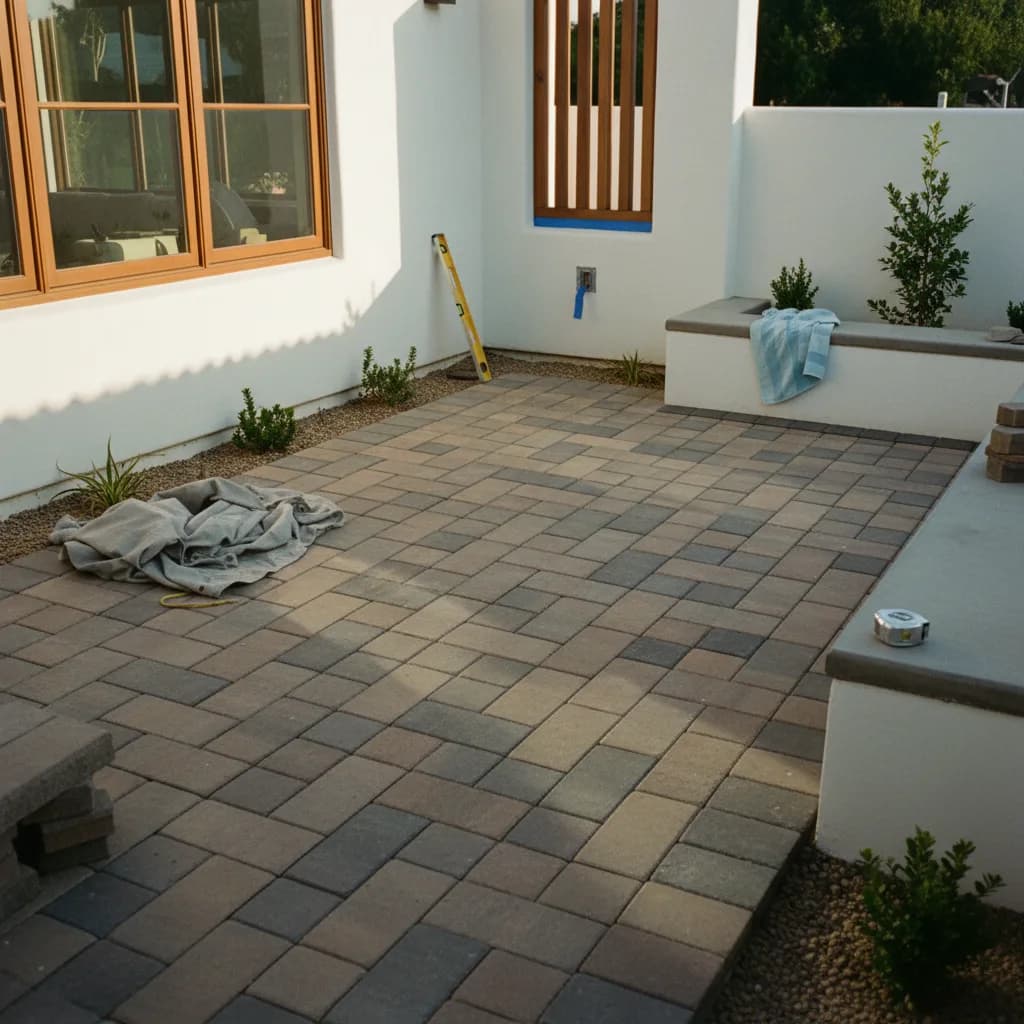
A typical 500-square-foot paver patio in San Diego can run thirty percent over budget, turning a $12,000 project into a $16,000 problem. The overrun isn't from the pavers you see; it's from the structural work you don't. While a paver patio san diego cost can start lower for simple overlays on existing concrete, most projects involve excavation, and that’s where the budget surprises live. The difference is a patio that lasts five years versus one that outlasts the mortgage.
In a Nutshell: The San Diego Paver Patio Budget Busters
The most expensive paver patio is the one you have to tear out and redo in five years. The project goes off the rails when homeowners and contractors focus on the surface aesthetics instead of the unseen structural base. The three most common mistakes are ignoring soil conditions, accepting a vague scope of work, and underestimating drainage requirements. Your counter-move this week: get a soil report or at least ask three qualified contractors how they plan to address San Diego's expansive clay.
Mistake #1: Ignoring the Subgrade
Homeowners get excited about paver colors and patterns, glossing over the part of the quote that mentions the base. This is wrong because the patio's entire lifespan depends on a properly prepared subgrade and base; failure here means sinking, heaving, and separation within a few years. Instead, insist your contract specifies subgrade compaction to 95 percent Modified Proctor, a geotextile separation layer over native soil, and a minimum six-inch open-graded base of #57 stone or Caltrans Class II permeable aggregate.
Mistake #2: Choosing the Wrong Materials for the Microclimate
Many select pavers based on a catalog photo without considering their specific location in San Diego County. This is a costly error because a paver that works in Rancho Bernardo may degrade in the salt air of La Jolla or Point Loma, and jointing sand that holds up inland can fail in coastal humidity. Your counter-move is to specify materials for your environment: pavers with a high Solar Reflectance Index (SRI) for hot inland areas and dense, low-absorption pavers sealed against salt for coastal properties, paired with a high-quality polymeric sand like Techniseal or Alliance Gator Maxx G2 to resist washout and weed growth.
Mistake #3: Underestimating Site Access and Demolition
Ready to compare vetted project options?
Use Project Match privately when your scope is clear enough for contractor conversations.
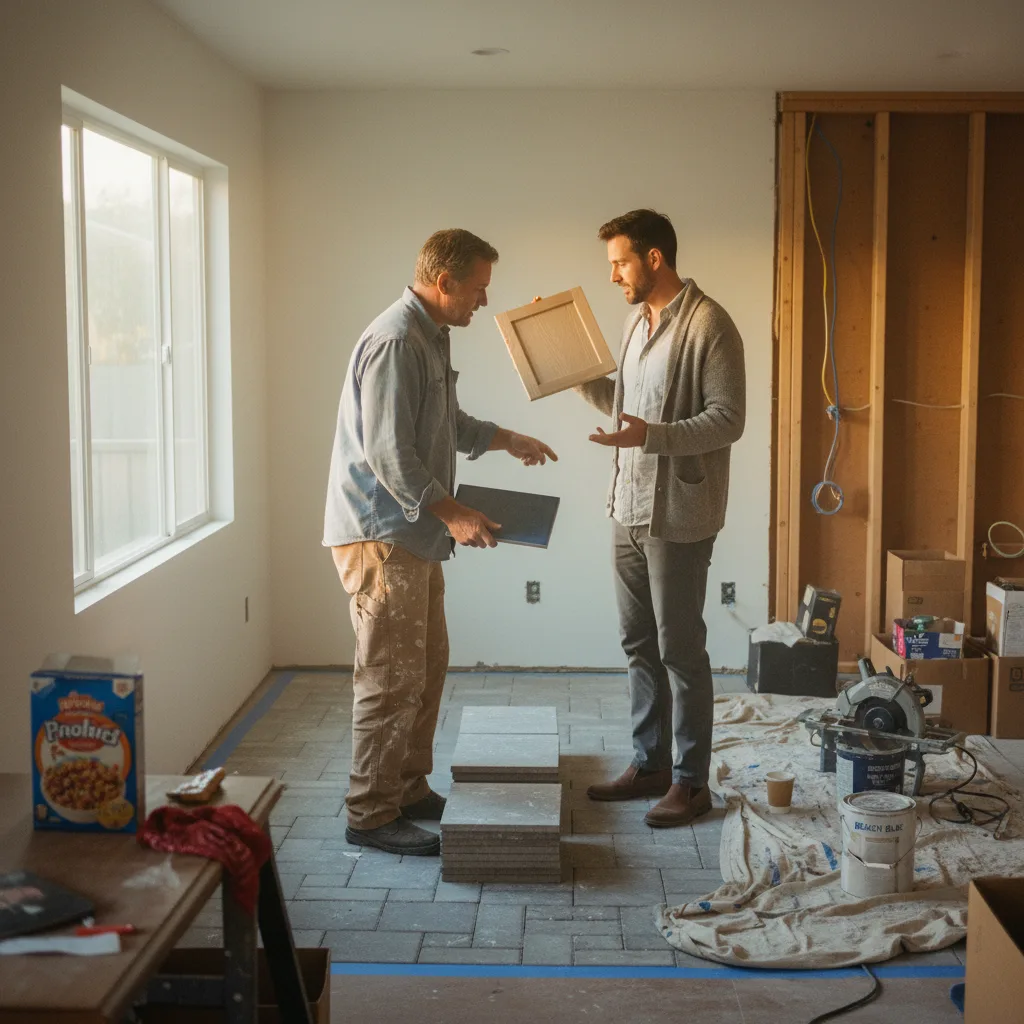
Start Project MatchThe quote seems reasonable until the crew arrives and discovers the only way to the backyard is a narrow side yard gate. This oversight balloons the budget because limited access means using smaller equipment and more manual labor, adding days and thousands in labor costs. Before signing, walk the property with the contractor and explicitly discuss the path for machinery, material staging, and debris removal. A project in a dense neighborhood like North Park will have different logistics and costs than a new build in Carmel Valley with open access.
Mistake #4: Skimping on Drainage
In the rush to get the patio built, drainage becomes an afterthought, treated as an optional extra. This is a critical failure because San Diego’s winter storms can dump a lot of water quickly, and a patio without a proper slope (a minimum quarter-inch per foot) and collection system will channel that water directly toward your home's foundation. Insist on a detailed drainage plan in the contract, including the location of channel drains, catch basins, and how the system will tie into your property's existing storm water management.
Mistake #5: Accepting a One-Page Quote
You get a quote that just says "500 sq ft paver patio: $12,500." This is a red flag because it lacks the detail to be an enforceable contract, leaving you exposed to endless add-ons for things the contractor will claim were not included. The only acceptable quote is an itemized one. Get three quotes. Check three references. Visit one finished California job before signing. Your paver patio contractor san diego must specify the paver manufacturer and style, the exact depth of the compacted base, the type of aggregate (e.g., ASTM C33 concrete sand for bedding), the type of edge restraint, and a line item for cleanup and hauling. For a full breakdown of what a permit-ready scope of work looks like, see our guide: The San Diego Paver Permit Playbook 2026.
Mistake #6: Forgetting the Contingency Fund
Homeowners lock in a contract for the exact quoted price, leaving no room in the budget for surprises. This is unrealistic because every excavation project uncovers unknowns, from old irrigation lines to poor soil that requires deeper excavation and more base material. The National Association of Home Builders recommends a ten to fifteen percent contingency on renovations in homes over thirty years old. Set aside this cash reserve before the project begins; if you don't use it, great, but if you need it, it prevents a work stoppage or a compromised result.
What a San Diego Paver Patio Really Costs
The price for a paver patio in San Diego is driven by labor, which is more expensive here than in most of the country. According to the California Department of Industrial Relations prevailing wage data for San Diego County, skilled hardscape labor rates are a significant portion of the total budget. Material choice and site complexity are the other major factors. Don't anchor to a per-square-foot price; a small, complex job will always have a higher unit cost than a large, simple one.
Three representative projects from 2026, scoped similarly, reconstructed from Golden Yards Magazine's Project of the Day network and used here in aggregate form:
- $9,800 | Chula Vista Townhome (350 sq. ft.): A straightforward replacement of a cracked concrete slab. Access was good. The project used a standard Belgard paver, a four-inch Class II base, and existing drainage was sufficient. Timeline: two weeks.
- $21,500 | Scripps Ranch Single-Family Home (600 sq. ft.): This project required significant grading to achieve proper slope away from the house. The crew had to remove and haul away 15 cubic yards of expansive soil, build up a six-inch base, and install two new channel drains. Timeline: four weeks.
- $42,000+ | La Jolla Hillside Property (800 sq. ft. with retaining wall): A complex job with tight access requiring a mini-excavator. The scope included a low, engineered retaining wall, extensive drainage, premium Techo-Bloc pavers, and landscape lighting conduits installed beneath the patio. Timeline: seven weeks.
Sources & Methodology
See the Golden Yards Methodology for how sources are reviewed, ranges are normalized, and planning-data limits are handled.
Cost ranges in this guide draw on the following named industry sources, public agency datasets, and Golden Yards Magazine editorial research.
- Interlocking Concrete Pavement Institute (ICPI) Tech Spec 2: Construction of Interlocking Concrete Pavements (2024)
- ASTM C33 / C33M - 18: Standard Specification for Concrete Aggregates (2023)
- California Department of Industrial Relations, Prevailing Wage Determinations (San Diego County) (2026)
- Belgard Hardscapes, 2026 San Diego Product Catalog and Installation Guide (2026)
- National Association of Home Builders (NAHB) Remodeling Market Index (Q1 2026)
- City of San Diego Development Services Department, Project Submittal Manual (2025)
Golden Yards Magazine Take
The meta-mistake behind almost every paver patio san diego budget overrun is focusing on the finish, not the foundation. Homeowners spend weeks choosing between ‘Cambridge Gray’ and ‘Sierra Tan’ but spend only minutes discussing subgrade compaction and geotextile fabrics. The pavers are just the skin. The longevity, stability, and ultimate success of your investment is determined by the six to eight inches of meticulously prepared, multi-layer base beneath them. A good contractor spends eighty percent of their time on the part you will never see. If your prospective contractor wants to talk more about paver colors than base depth and compaction testing, they are the wrong contractor.
Ready to start your patio project?
Find My ProsFrequently Asked Questions
What's the most expensive mistake when installing a paver patio?
The most expensive mistake is skimping on the subgrade and base preparation. A weak or improperly compacted foundation is the primary cause of premature patio failure, leading to sinking, shifting, and uneven surfaces. Fixing this isn't a simple repair; it requires a complete tear-out and rebuild of the entire patio structure. When the base fails, the only correct fix is to remove all the pavers and the failed base material, re-excavate the subgrade, and start over. This means you pay for the demolition, disposal, and the full cost of the new installation a second time. A proper base, compacted in lifts to 95% Modified Proctor density over a geotextile fabric, is the best insurance against this costly failure.
How do I know if my paver patio contractor is padding the quote?
A padded quote is often a vague one. If a contractor provides a single lump-sum price without a detailed breakdown of materials, labor, and specific tasks, it's a major red flag. This lack of transparency makes it impossible to compare bids fairly and allows them to use cheaper materials or cut corners on prep work. A professional quote for a paver patio in San Diego should be an itemized document. It must specify the manufacturer and type of paver, the exact depth of the excavated subgrade and compacted base, the type of aggregate for the base and bedding course (e.g., #57 stone, ASTM C33 sand), and separate line items for demolition, hauling, drainage, and site cleanup. Anything less is an invitation for budget surprises.
When should I walk away from a paver patio quote?
Walk away immediately if the contractor pressures you for a same-day decision, demands a large cash deposit upfront (more than 10% or $1,000, whichever is less, per California law), or cannot provide proof of a valid C-29 Masonry or C-61/D06 Concrete Related Services license and current liability insurance. Other serious red flags include a refusal to provide a detailed, written contract, an inability to show you local, completed projects similar to yours, or dismissive answers to technical questions about base preparation and drainage. A lowball quote that is significantly cheaper than others is also a warning sign; it often indicates the contractor plans to skip critical steps like proper subgrade compaction.
What's the fastest way to blow a paver patio budget?
The fastest way to blow your budget is scope creep: changing your mind or adding features after the work has begun. Deciding to use a different, more expensive paver, expanding the patio's footprint, or adding a last-minute seating wall or fire pit will generate change orders that inflate costs and disrupt the project schedule. These mid-project alterations are always more expensive than if they were included in the original plan. They require the contractor to re-estimate materials and labor, potentially stop work to order new supplies, and reschedule crews. Finalize every detail of your paver patio san diego 2026 project, from the paver choice to the layout, before a single shovel hits the ground. Lock in the scope to lock in the price.