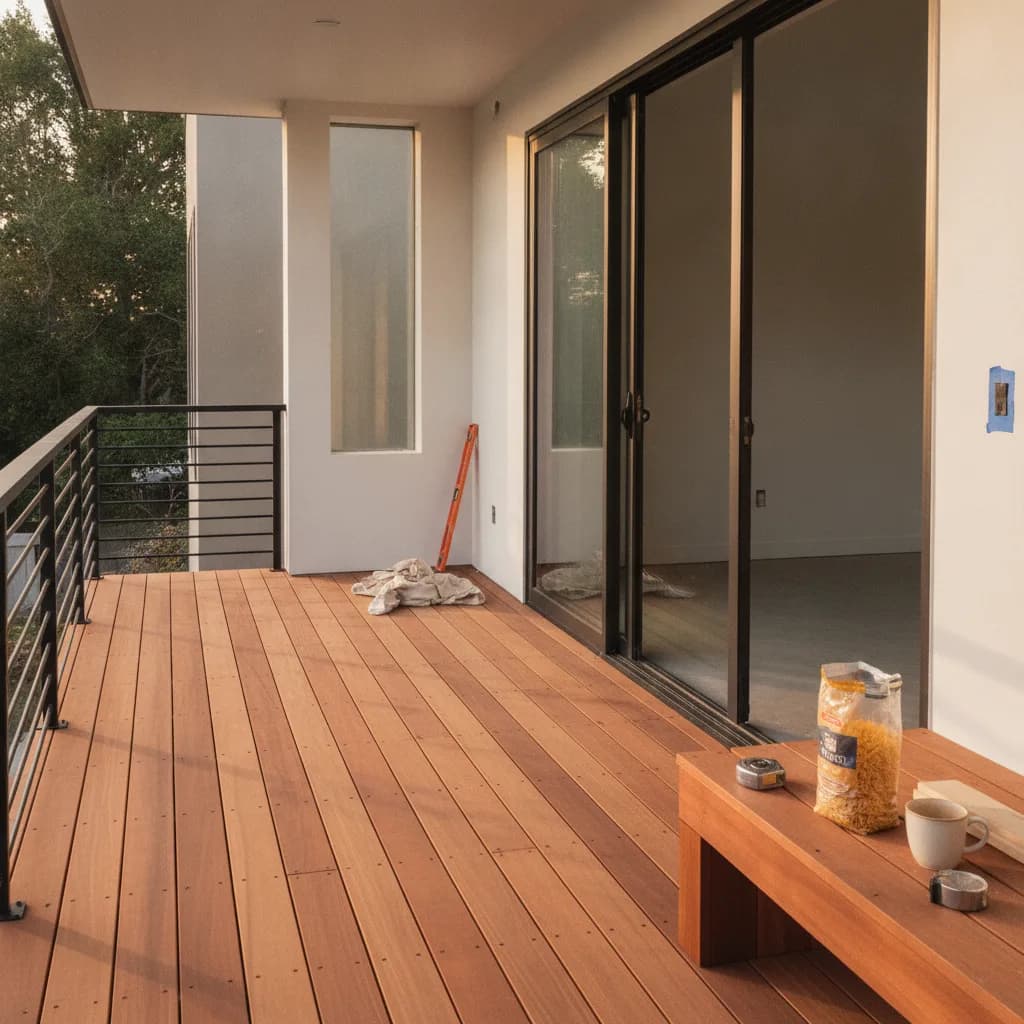
A poorly planned deck in Oakland doesn't just run over budget; it often doubles the cost. What starts as a $45,000 estimate can balloon to $90,000 when hillside engineering, seismic hardware, and proper ledger flashing are finally accounted for. This isn't just a budget issue. It adds six to eight weeks of infuriating delays while plans are redrawn and re-submitted to the city.
In a Nutshell
The costliest mistake is assuming a flat-lot price applies to your hillside property; the required structural engineering and caisson foundation can add $25,000 or more. The three most common errors we see are underestimating seismic costs, choosing materials based on looks instead of Oakland's microclimates, and treating the city permit as optional. Your counter-move this week: engage a structural engineer for a preliminary plan before you call a single deck contractor in Oakland.
Mistake #1: Underestimating Hillside Engineering
Homeowners get quotes based on a per-square-foot cost, assuming it covers everything. In Oakland's hills, from Montclair to Redwood Heights, this is a catastrophic error. Standard footings are rarely sufficient for the area's steep slopes and expansive clay soil. The real cost is in seismic engineering, which often mandates a soils report and deep concrete piers (caissons), adding $15,000 to $30,000 to the `deck oakland cost` before work begins. Instead of getting a builder's quote first, hire a structural engineer to create a preliminary foundation plan. This defines the most expensive part upfront.
Mistake #2: Ignoring Oakland's Microclimates in Material Choice
People choose decking on looks, like the tones of Ipe or the price of pine. This is wrong because a deck in foggy Rockridge performs differently than one in the hot Piedmont hills. Ipe requires annual oiling; composites like Trex Transcend can get hot in direct sun. In a high-fire-risk Wildland Urban Interface (WUI) zone, it's a safety issue. Instead, specify material based on your neighborhood's conditions. Consider a premium PVC like Azek for lower heat retention in sunny spots, or a WUI-rated composite like Fiberon Concordia for homes in fire zones.
Mistake #3: Treating the Ledger Board as an Afterthought
Ready to compare vetted project options?
Use Project Match privately when your scope is clear enough for contractor conversations.
Start Project MatchMany assume the contractor just bolts a board to the house. This is the single most common point of failure, leading to collapse or years of slow water intrusion and dry rot. An improperly flashed ledger board can cause $20,000 in structural home repairs down the line. Demand your `deck contractor oakland` specifies the exact flashing method (e.g., galvanized Z-flashing) and hardware (e.g., Simpson Strong-Tie tension ties) in the contract. Verify it's installed correctly before the decking covers it up.
Mistake #4: Thinking a Permit is Optional
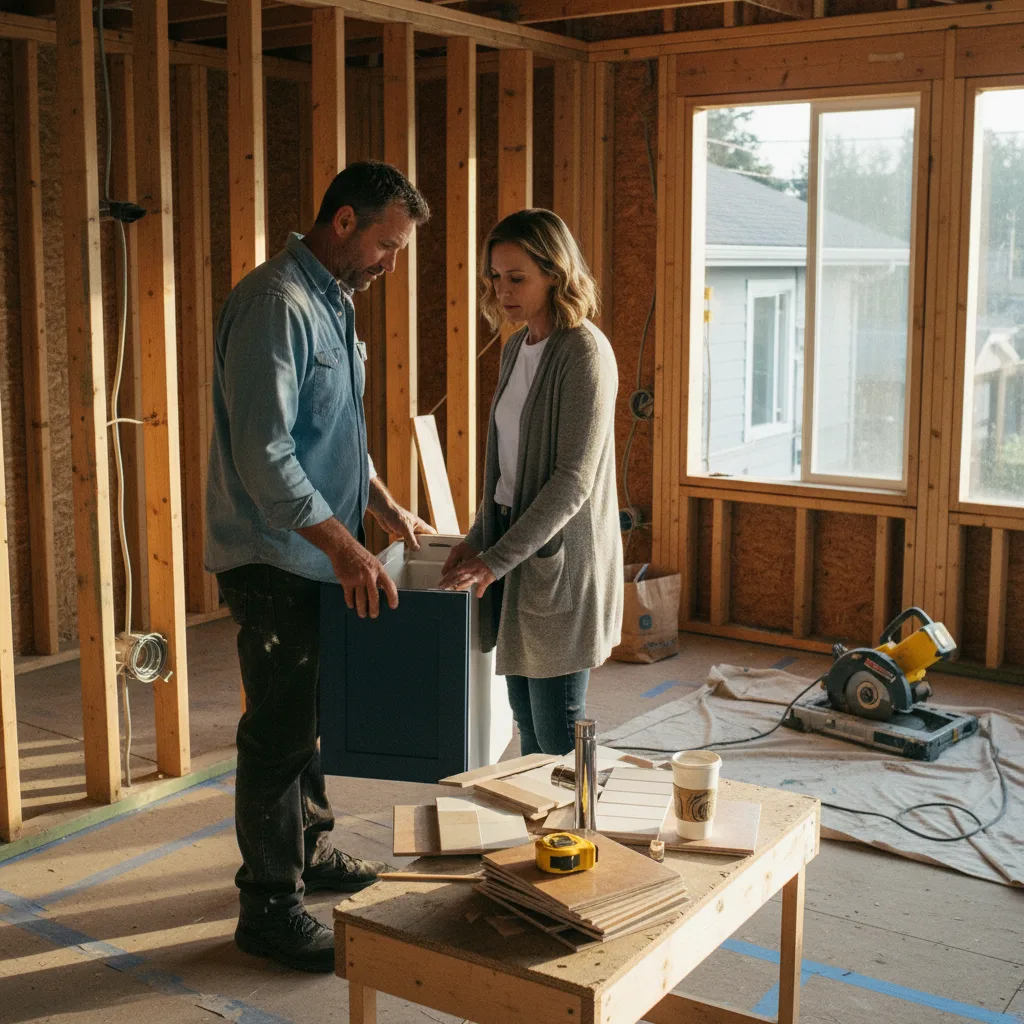
The temptation to save a few thousand dollars by skipping the City of Oakland's permit process is strong. This is a short-sighted gamble that can cost tens of thousands later, through fines, tear-down orders, or issues when you sell your home. An unpermitted `oakland deck` is a liability, not an asset. Your counter-move is to make the contractor responsible for the entire permit process. Our Oakland deck permit playbook for 2026 shows what's required, so you can verify their work is by the book.
Mistake #5: Forgetting to Budget for “The Rest”
A contractor's initial quote often focuses on the deck surface and frame. This is misleading because it omits major cost centers like stairs, railings, lighting, and electrical work. While a simple, ground-level deck refresh can start lower, a full rebuild has many parts. A three-beat cost breakdown for a 350-square-foot composite deck in 2026: the foundation and framing is $25,000. The composite decking and hidden fasteners are another $18,000. But the code-compliant cable railings and integrated stair lighting can add another $15,000 to $22,000. Ask for a quote that includes all components for a true picture of the investment.
Mistake #6: Choosing a Contractor on Price Alone
A bid that's 20% lower than others feels like a win. It's actually a massive red flag. A low bid often means corners are being cut on insurance, labor, or materials, putting your safety at risk. The California Department of Industrial Relations prevailing wage data for Alameda County shows that skilled carpenters aren't cheap; if the price is too low, the labor is likely unqualified. Your defense is diligence. Get three quotes. Check three references. Visit one finished California job before signing.
Mistake #7: Not Holding a Contingency Fund
Even with a perfect plan, surprises happen, like a rotten rim joist discovered after demolition. Homeowners who allocate their exact budget to the contract are left scrambling. This financial stress leads to bad decisions, like downgrading safety components. The National Association of Home Builders recommends a ten to fifteen percent contingency on renovations in homes over thirty years old. Set this money aside from day one. You can approve a necessary change order without derailing the project.
What an Oakland Deck Really Costs in 2026
The per-square-foot numbers you see online are misleading. The real cost is in the details. Three representative projects from 2026, scoped similarly, reconstructed from Golden Yards Magazine's Project of the Day network and used here in aggregate form:
- Rockridge Redwood Refresh ($38,000): A 300-square-foot, ground-level deck. The project involved replacing old decking with new redwood, adding new railings to meet code, and refinishing the existing frame. Permit costs were minimal as the structure was not significantly altered.
- Montclair Composite Rebuild ($92,000): A 400-square-foot hillside deck requiring new concrete piers, a fully engineered pressure-treated frame, Trex Transcend decking, and a stainless steel cable railing system. The price includes significant engineering fees and a complex permit submission.
- Piedmont Pines Ipe Overhaul ($145,000): A multi-level 550-square-foot Ipe deck with a built-in outdoor kitchen cutout, integrated lighting, and glass panel railings. The high cost reflects the premium materials, extensive electrical work, and complex structural engineering for the hillside location.
Notice the huge range. The structure, site, and finishes determine the price, not just the square footage.
Sources & Methodology
See the Golden Yards Methodology for how sources are reviewed, ranges are normalized, and planning-data limits are handled.
Cost ranges in this guide draw on the following named industry sources, public agency datasets, and Golden Yards Magazine editorial research.
- City of Oakland Building Department, Deck Construction Guide (2024)
- California Department of Industrial Relations, Alameda County Prevailing Wage Data (2026)
- American Wood Council, DCA 6 - Prescriptive Residential Wood Deck Construction Guide (2021)
- Trex Company, LLC, Cost to Build a Deck Report (2025)
- Simpson Strong-Tie, Deck Connection and Fastening Guide (2024)
- International Code Council (ICC), 2022 California Residential Code (CRC) (2022)
Golden Yards Magazine Take
The meta-mistake Oakland homeowners make is treating a deck as an accessory, not a structural addition. They fixate on the color of the Trex boards but forget they are building a roofless room on a geologically complex hillside. This mindset leads them to hire a "deck guy" instead of a general contractor and to gloss over engineering details. An `Oakland deck` isn't furniture. It's a foundation, a frame, and a floor system that must withstand rain, sun, and earthquakes for thirty years. Budget for the structure first, the aesthetics second.
Frequently Asked Questions About Oakland Deck Costs
Ready to start your deck project?
Find My ProsFrequently Asked Questions
What's the most expensive mistake in a deck project?
The single most expensive mistake is failing to properly engineer the foundation and ledger board connection. This can lead to structural failure, water damage to your home's frame, or a complete tear-down and rebuild, costing more than the original deck itself. In Oakland's hills, a soils report could mandate deep-drilled concrete caissons, adding $15,000 or more over standard footings. An improperly flashed ledger board can cause $20,000 in dry rot remediation years later. These foundational elements are where you should over-invest, not cut corners.
How do I know if my deck contractor is padding the quote?
A padded quote often appears as a single lump-sum number with minimal detail. Reputable contractors provide a line-item breakdown for demolition, materials (specifying brands like Trex), labor, and permits. This transparency makes it harder to hide inflated costs. Compare at least three detailed quotes. If one contractor's labor or materials cost is a significant outlier without a clear justification, ask for clarification. Also be wary of large, vaguely defined "project management" or "miscellaneous" fees that exceed 15-20% of the total project cost.
When should I walk away from a deck quote?
Walk away immediately if the contractor is not licensed with the CSLB, cannot provide proof of insurance, or pressures you to sign on the spot. These are non-negotiable red flags that expose you to massive financial and legal risk. Other warning signs include an unwillingness to provide a detailed bid, a refusal to pull a city permit, or a request for a large down payment (in California, the legal limit is 10% or $1,000, whichever is less). If a contractor dismisses your questions about engineering, find someone else.
What's the fastest way to blow a deck budget?
The fastest way to blow your budget is making design changes after construction starts. Deciding to add a built-in bench or change the stair location mid-project triggers costly change orders. This adds material costs and also labor for demolition and rework. Each change requires the contractor to stop, re-quote, and re-order materials, creating expensive delays. Finalize every single detail, from decking color to post cap style, before signing the contract. Lock in your design on paper first to ensure your `deck oakland 2026` project stays on budget.